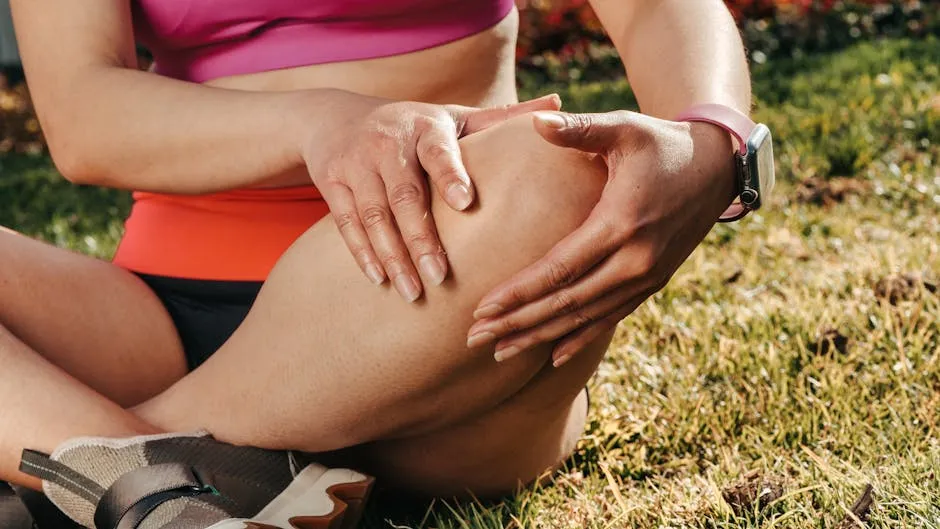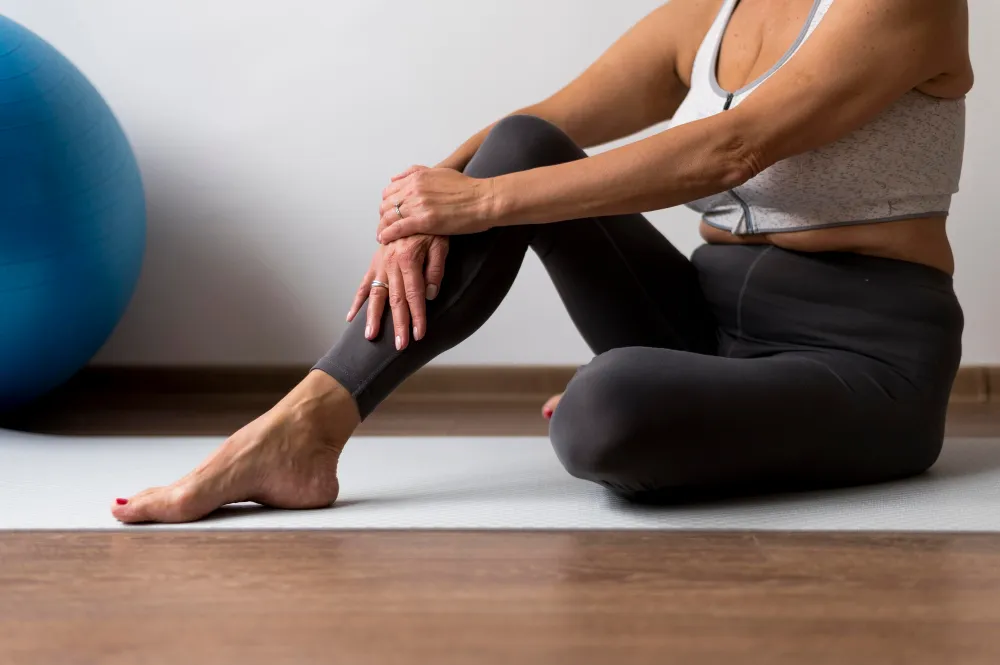
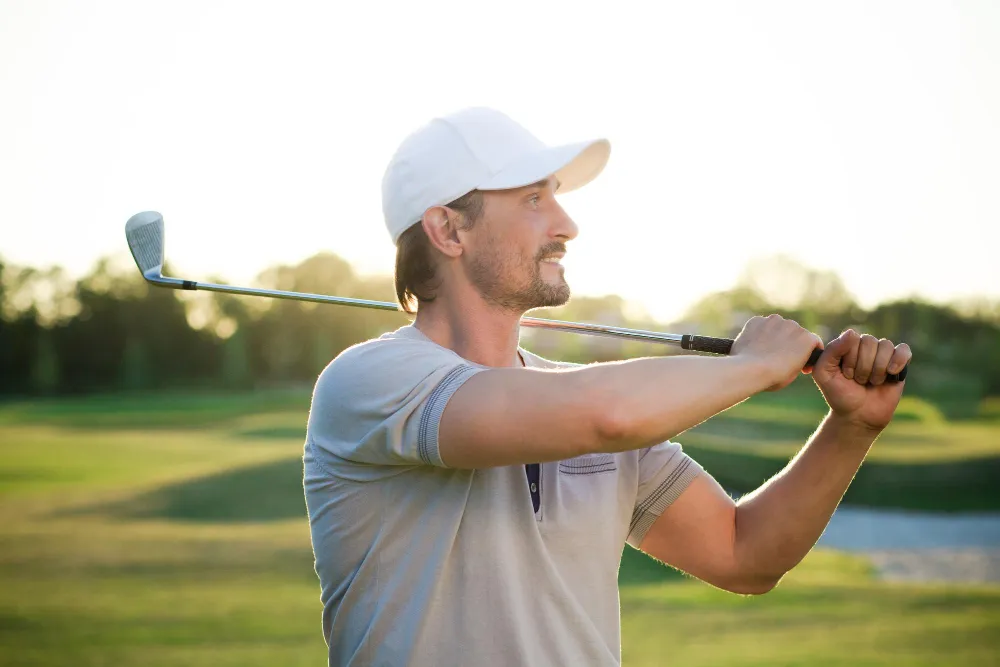
You do not have to play tennis or golf to get either of these. Both are common causes of elbow pain, and both come from overusing the muscles and tendons of the forearm. The main difference is simple once you know it: tennis elbow hurts on the outside of the elbow, and golfer's elbow hurts on the inside. This guide explains how to tell them apart, what causes each one, how they are treated, and when elbow pain is worth a closer look.
What these conditions are
Tennis elbow and golfer's elbow are both forms of tendinopathy, which means irritation and small-scale damage to a tendon from repeated stress. Tendons are the strong cords that anchor muscle to bone. When the forearm muscles are used in the same motion over and over, the tendons where they attach near the elbow can become painful and tender.
The medical name for tennis elbow is lateral epicondylitis. It affects the tendon on the outer, or lateral, side of the elbow. The medical name for golfer's elbow is medial epicondylitis, and it affects the tendon on the inner, or medial, side. Both names point to the epicondyle, the bony bump on the side of the elbow where these tendons attach.
How to tell them apart
The clearest way to tell the difference is to notice where the pain lives and which movements make it worse:
- Tennis elbow (outer side): Pain and tenderness on the outside of the elbow, often worse when you straighten the wrist, grip something, lift with the palm down, or extend your fingers. Shaking hands, turning a doorknob, or holding a coffee cup can sting.
- Golfer's elbow (inner side): Pain and tenderness on the inside of the elbow, often worse when you bend the wrist, squeeze, or rotate the forearm so the palm turns down. Gripping and lifting tend to aggravate it, and the inner elbow can feel weak.
Both conditions can also cause aching that travels down the forearm, stiffness, and a weaker grip. Sometimes golfer's elbow comes with tingling or numbness into the ring and little fingers if a nearby nerve is irritated.
What causes them
Despite the names, most people who develop these conditions are not athletes. Any repeated gripping, twisting, or lifting can be the culprit. Painters, plumbers, carpenters, cooks, assembly workers, gardeners, and people who spend long hours at a keyboard or on tools can all develop tennis or golfer's elbow. Racquet sports, throwing sports, and golf can contribute, especially with poor technique or equipment that does not fit the person. The common thread is the same forearm motion done again and again without enough recovery time, which gradually wears on the tendon.
Treatment options at BoneDrs
The good news is that the large majority of these cases improve without surgery. Treatment almost always starts with conservative care, and the first step is calming the tendon down. That means resting from the activity that triggers the pain, using ice, and taking over-the-counter anti-inflammatory medicine when appropriate. Mayo Clinic notes that providers often recommend resting the arm for at least four to six weeks from the activities that strain it before returning to them.
Once the pain settles, a guided exercise program is the workhorse of recovery. According to the American Academy of Orthopaedic Surgeons, treatment begins with gentle stretching to restore pain-free wrist motion, then progresses to strengthening the forearm muscles. A counterforce brace or strap, activity changes, and attention to technique often help. When pain is stubborn, a steroid injection or other in-office treatments may be considered. Surgery is reserved for the small number of people whose symptoms do not improve after a thorough course of non-surgical care over several months.
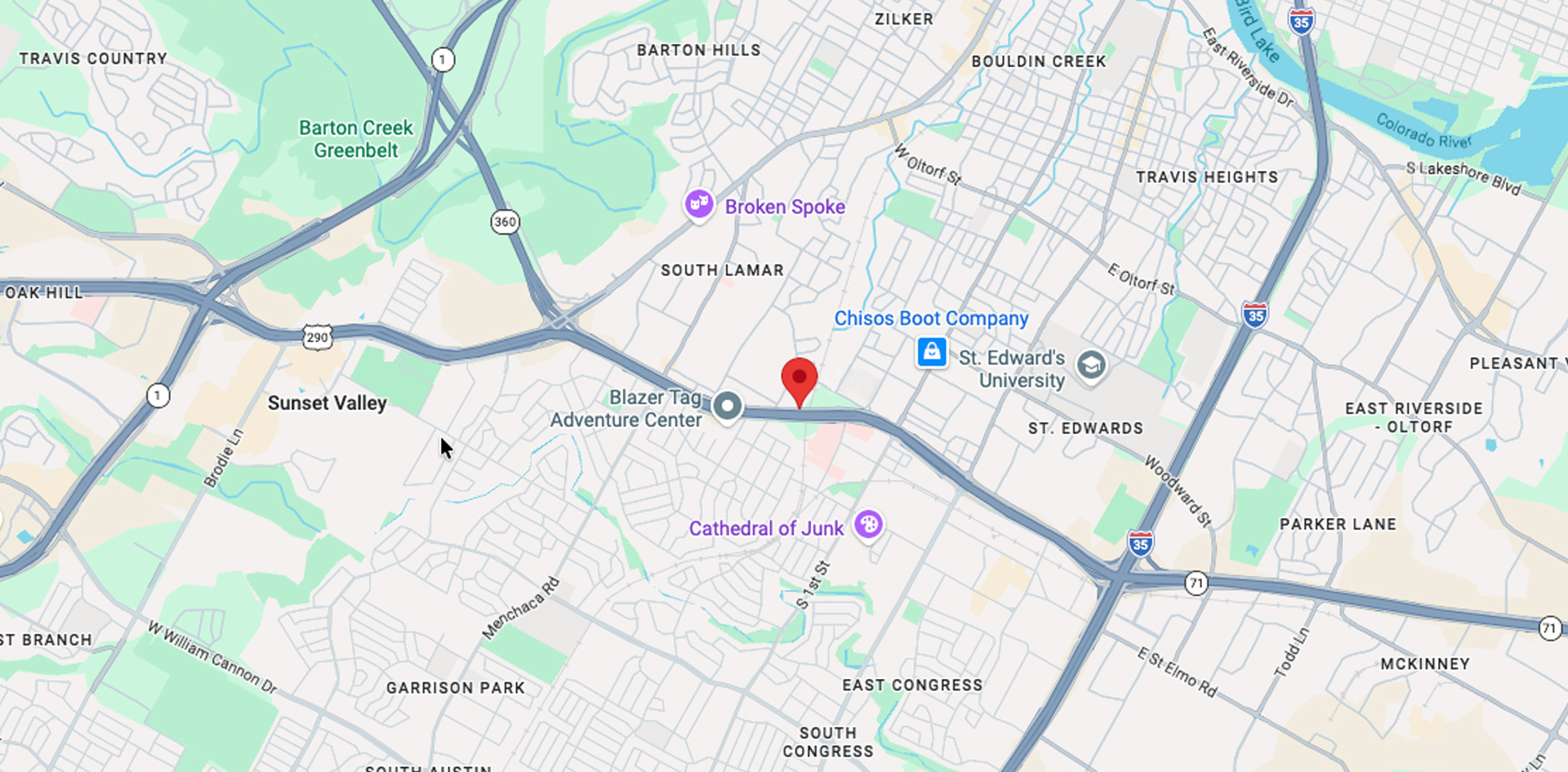
Dr. Barnett, our fellowship-trained shoulder, elbow, wrist, and hand specialist, sees these conditions regularly and tailors a plan to your specific tendon, your job, and your activities across our Austin, San Marcos, and Bastrop offices. For overuse from sports, Dr. Bennett, who focuses on sports medicine, can also help address technique and training load. You can read more on our hand and wrist and sports medicine pages.
When to see a doctor
It is reasonable to start with rest and home care for mild, recent elbow pain. See a specialist if the pain has not improved after a few weeks of backing off the activity, if it is interfering with work or sleep, if your grip is noticeably weak, or if you have numbness or tingling into the hand. You should be seen sooner if the elbow is hot, badly swollen, or painful after a direct injury, since that points to a different problem. A short evaluation can confirm which condition you have, rule out other causes of elbow pain, and get you on a recovery plan before the tendon becomes more stubborn. Our related guides on when to see a doctor for elbow pain and choosing an elbow specialist can help you decide.
How to care for it at home
For early, mild symptoms, give the tendon a break from the motion that hurts, ice the sore spot for about 20 minutes at a time, and use an anti-inflammatory medicine if it is safe for you. Avoid heavy gripping and repetitive lifting while things calm down, and ease back in gradually rather than all at once. Gentle, pain-free stretching of the wrist and forearm can begin once the sharp pain eases. If you are not seeing steady improvement over a few weeks, that is the signal to have it evaluated.
Frequently asked questions
Can you have tennis elbow and golfer's elbow at the same time?
Yes. Although it is less common, the same arm can have irritation on both the outer and inner tendons, since both come from overuse. An exam can identify whether one or both sides are involved and guide treatment accordingly.
How long does tennis elbow or golfer's elbow take to heal?
Many people improve over several weeks to a few months with rest and a steady exercise program. Tendons heal slowly, so consistency matters more than speed. Pushing back into the aggravating activity too early is the most common reason recovery stalls.
Do I need surgery for tennis or golfer's elbow?
Almost always no. The large majority of cases resolve with non-surgical care. Surgery is considered only when symptoms persist despite a full course of rest, bracing, and rehabilitation over several months.
Is it tennis elbow or something else?
Elbow pain can also come from arthritis, a pinched nerve, or a tendon tear, and inner-elbow symptoms with hand numbness can involve a nerve. If your pain is not clearly tied to overuse or is not improving, an evaluation can sort out the cause.
Schedule a consultation at BoneDrs
Lingering elbow pain rarely fixes itself once a tendon is irritated, but the right plan can turn it around. Call BoneDrs at 512-266-3377 to schedule with our hand and elbow team at any of our Central Texas locations, and let us help you grip, lift, and play without the ache.
If you have any concerns about your joints, contact us and we can help determine a treatment that works for you.