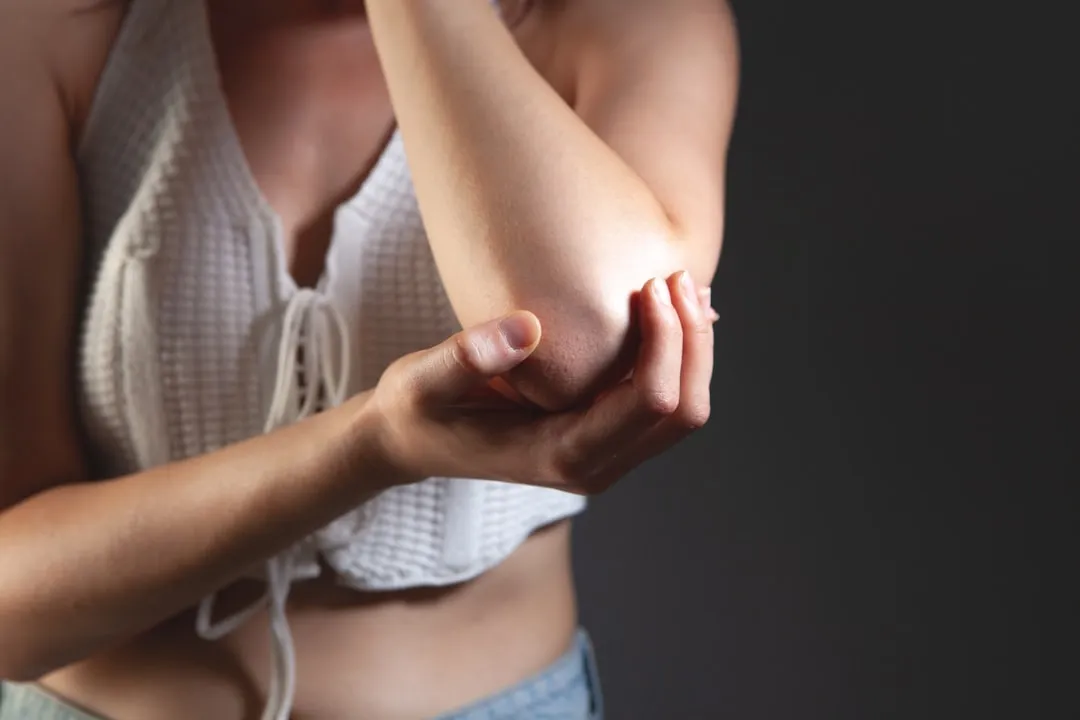
Understanding When Elbow Pain Requires Expert Care

An Elbow pain specialist is an orthopedic physician with advanced training in diagnosing and treating conditions affecting the elbow joint. If you're experiencing persistent elbow discomfort, here's what you need to know:
When to See an Elbow Pain Specialist:
- Pain lasting more than 4 weeks despite rest and home care
- Difficulty with daily activities like turning doorknobs or lifting objects
- Radiating pain from elbow to forearm or wrist
- Numbness, tingling, or weakness in hands and fingers
- Visible swelling, bruising, or deformity
- Pain that worsens at night or prevents sleep
The simple act of opening a doorknob or brushing your teeth may prove difficult with elbow pain and injury. Your elbow is a remarkably complex joint where three bones—the humerus, radius, and ulna—come together to enable essential movements like lifting, pushing, and rotating your arm. This complexity makes the elbow vulnerable to pain from inflammation or injury brought on by repetitive daily activities, sports, or age-related changes.
Don't ignore persistent elbow pain. The sooner you address it, the better your prognosis will be. While many cases of elbow discomfort respond well to conservative treatments like rest, ice, and activity modification, some conditions require the expertise of a specialist who can accurately diagnose the underlying cause and develop an effective treatment plan.
I'm Dr. Christopher Jimenez, a board-certified orthopedic surgeon at BONE DRs Orthopedic Care, specializing in musculoskeletal conditions including complex elbow injuries and chronic pain management. As an Elbow pain specialist, I work with patients across Central Texas to restore function and eliminate discomfort through both surgical and non-surgical approaches.

The Role of an Elbow Pain Specialist in Restoring Function
When your elbow starts acting up, you might first reach for the ice pack or a bottle of ibuprofen. But when the "wait and see" approach fails, it’s time to call in the experts. At BONE DRs, an Elbow pain specialist isn't just a doctor; we are your partner in getting back to the things you love—whether that’s swinging a golf club at a course in San Marcos or simply picking up your grandkids in Bastrop.
Our role is multifaceted. We combine the precision of orthopedic surgery with the physiological insights of sports medicine to provide comprehensive elbow services. Being fellowship-trained and board-certified means we’ve spent years focusing specifically on the intricacies of the upper extremities. We don't just look at the bone; we evaluate the nerves, tendons, ligaments, and blood vessels that make the "hinge" of your arm work.
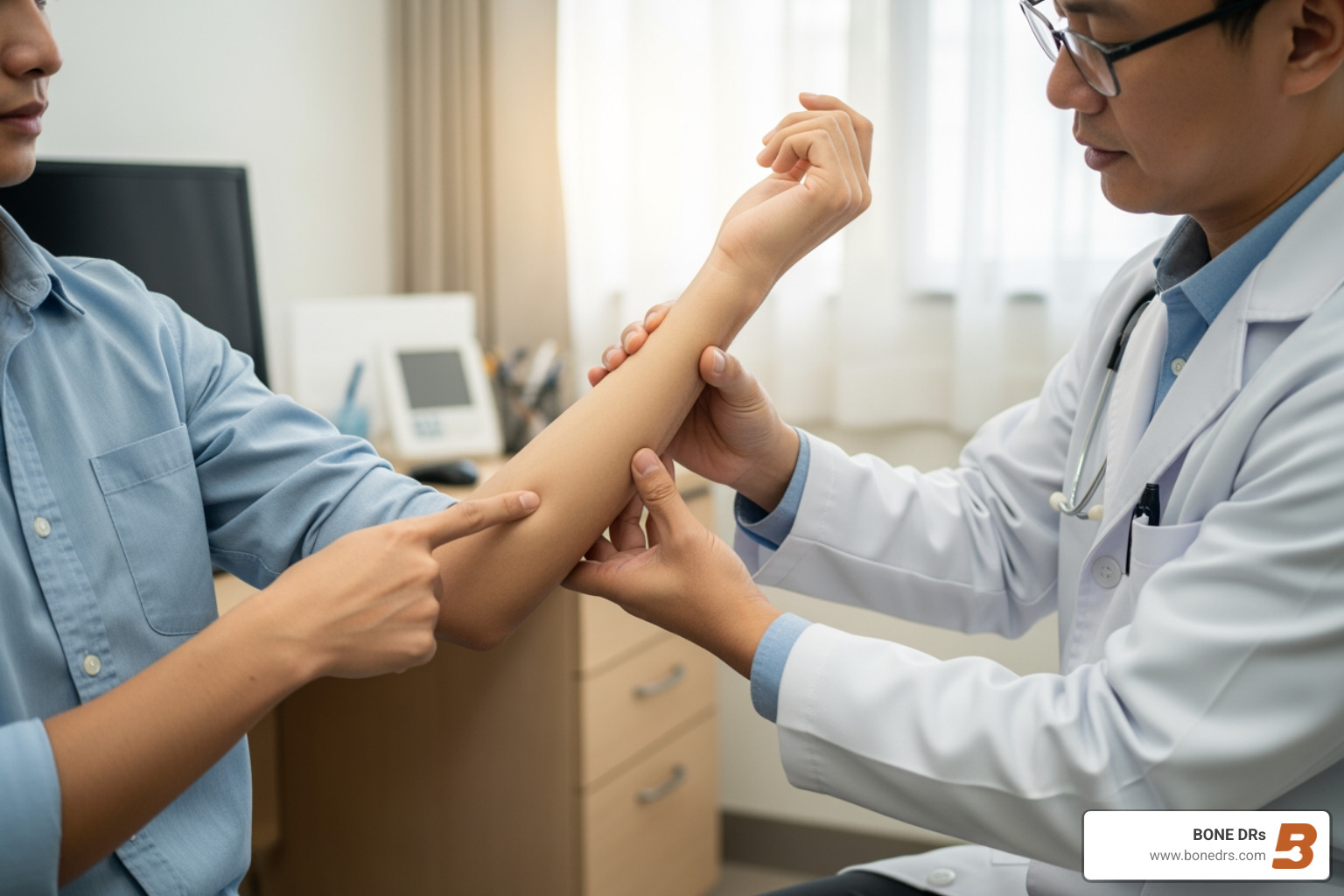
We believe in a multidisciplinary care model. This means your treatment plan might involve a team of physical therapists, rehabilitation experts, and pain management specialists working in harmony. Our goal is always to restore maximum function with the least invasive method possible. We’re not just looking to "fix" a joint; we’re looking to restore your quality of life.
Common Causes and Conditions of Elbow Pain
The elbow is a workhorse, but even the best workhorses can get tired or injured. Most elbow pain stems from two main categories: traumatic injury (like a fall) or overuse (repetitive microtrauma).
Overuse Injuries
Repetitive motions—whether you’re a carpenter in Austin using a drill all day or a chef in Bastrop constantly chopping vegetables—can lead to small tears in the tendons.
- Tennis Elbow (Lateral Epicondylitis): Despite the name, you don't have to play tennis to get it. It affects the outside of the elbow and is most common in patients between the ages of 35 and 50. It occurs when the extensor tendons are overloaded. You can learn more about our approach to Tennis Elbow treatment here.
- Golfer’s Elbow (Medial Epicondylitis): This is the "inner" version of tennis elbow. It affects the tendons on the inside of the elbow that allow you to flex your wrist. If it hurts when you shake hands or pick up a suitcase, Golfers Elbow might be the culprit.
Degenerative and Structural Issues
- Elbow Arthritis: While less common than hip or knee arthritis, the elbow can suffer from osteoarthritis (wear and tear) or rheumatoid arthritis (inflammatory), leading to stiffness and a "grinding" sensation.
- Distal biceps tendon problems: The biceps tendon attaches to the radius bone at the elbow. If this tendon tears or becomes inflamed, you’ll lose significant strength when trying to turn your palm up (like turning a screwdriver).
Recognizing the Signs: When to Seek Professional Care
It can be tricky to know if your pain is a "walk it off" situation or a "call the doctor" situation. Generally, if your pain is interfering with your sleep or making it hard to hold a cup of coffee, your body is sending you a clear signal.
We often see patients who have waited too long, hoping the pain would just vanish. Here is a quick way to differentiate between a minor strain and something that needs a specialist's eye:
| Symptom | Acute Injury (Trauma) | Overuse (Chronic) |
|---|---|---|
| Onset | Sudden, usually after a fall or "pop" | Gradual, worsens over weeks |
| Visible Signs | Immediate bruising, deformity | Mild swelling, redness |
| Pain Type | Sharp, stabbing | Dull ache, burning |
| Nerve Issues | Possible immediate numbness | Tingling that comes and goes |
If you’ve experienced a sudden "pop" followed by pain, you might have an Elbow Sprain, which involves stretching or tearing of the ligaments. Radiating pain—pain that travels down your forearm into your wrist—is another hallmark sign that the tendons or nerves are under significant stress.
When to Consult an Elbow Pain Specialist for Chronic Symptoms
Chronic symptoms are the "slow burns" of the orthopedic world. They might not send you to the ER, but they certainly ruin your day-to-day comfort.
- Grip Weakness: If you find yourself dropping things or unable to open a jar, this is a major red flag.
- Cubital tunnel syndrome: This is essentially "carpal tunnel of the elbow." The ulnar nerve (your "funny bone" nerve) gets pinched, leading to numbness in your ring and pinky fingers.
- Elbow Impingement: This occurs when bone spurs or soft tissue get pinched during movement, often causing a "locking" sensation.
- Osteochondritis Dissecans of Elbow: More common in young athletes (like pitchers), this involves a lack of blood supply to a small area of bone, which can cause fragments to loosen within the joint.
Emergency Signs Requiring Urgent Medical Attention
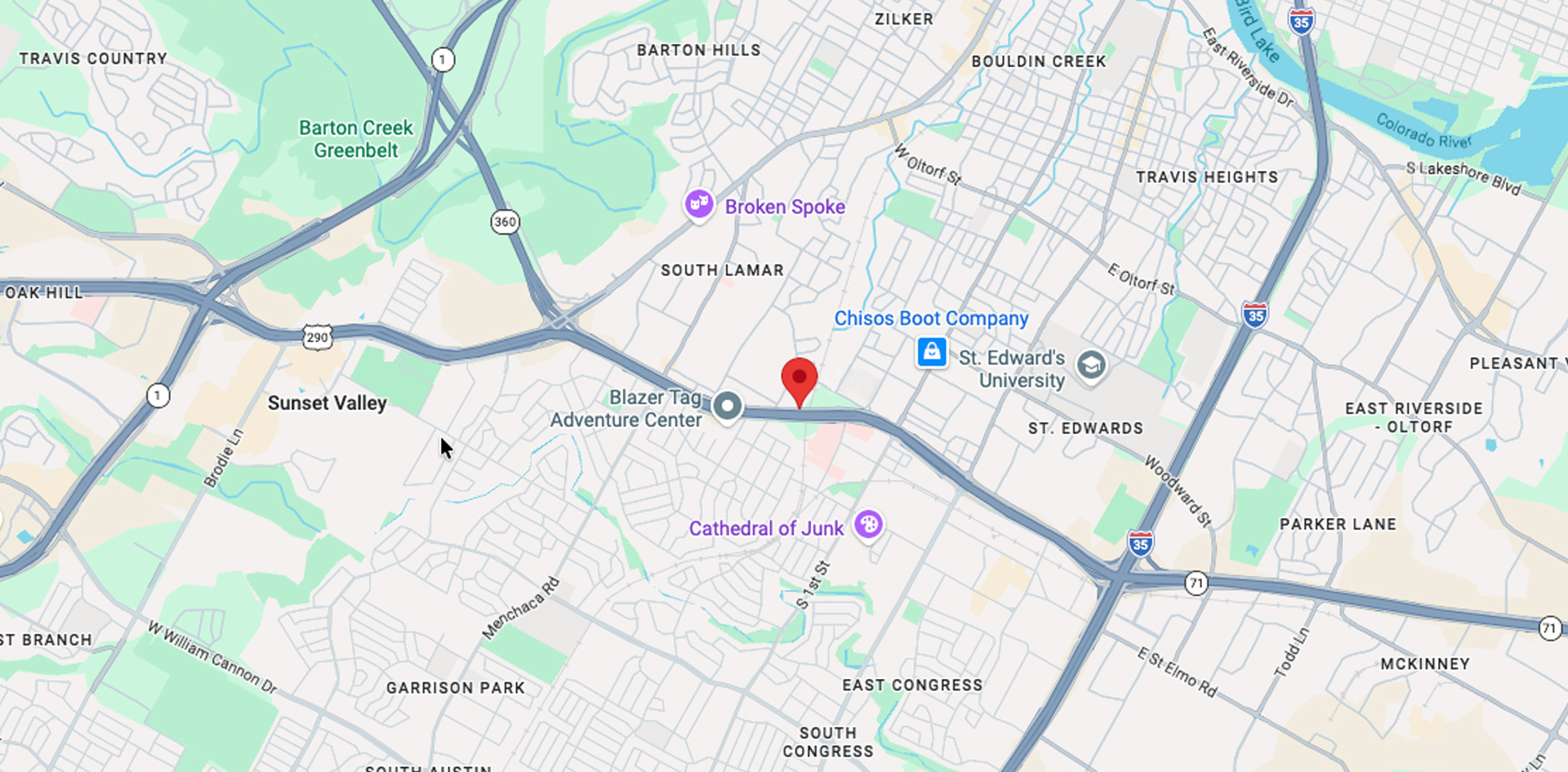
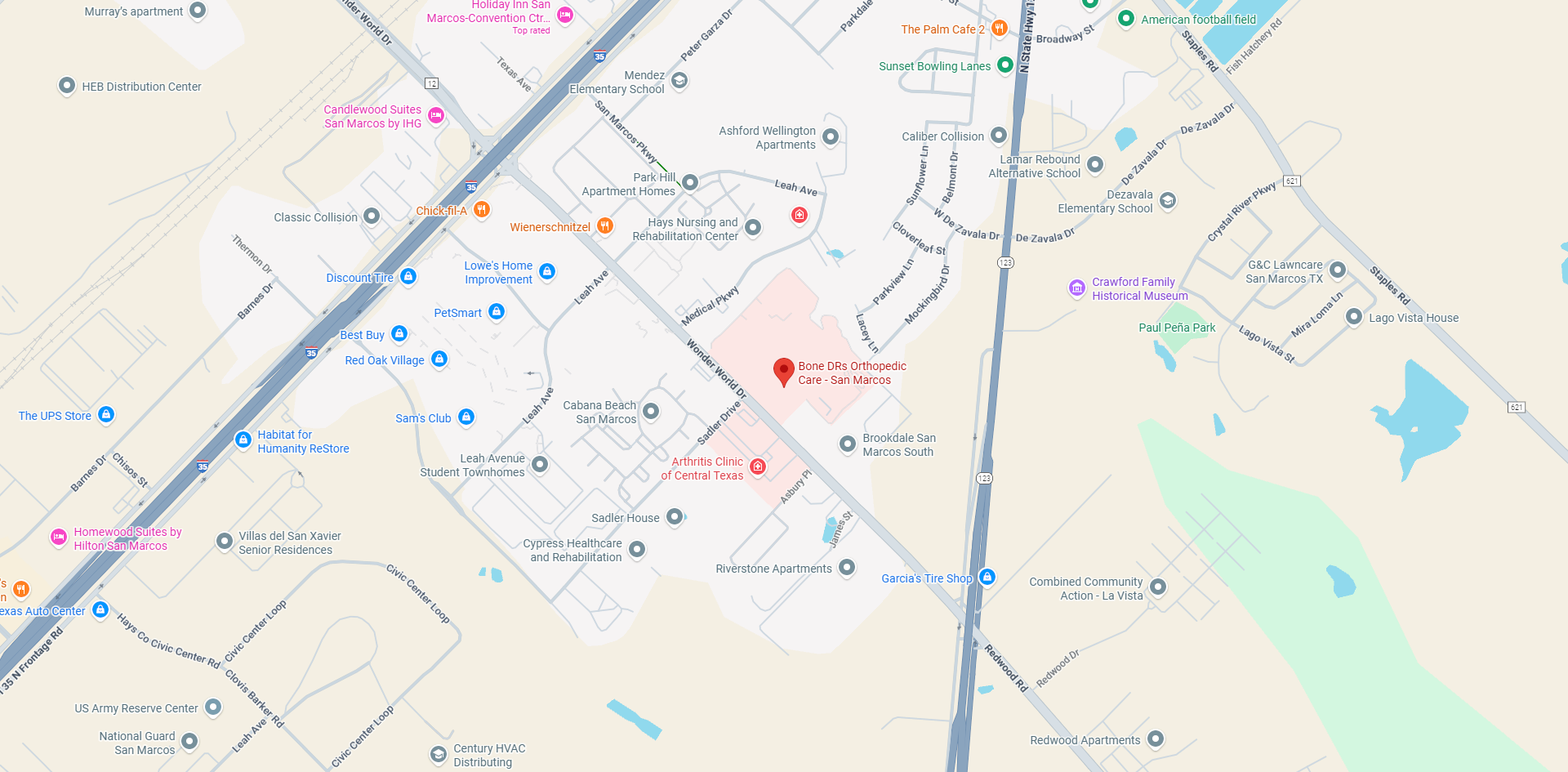
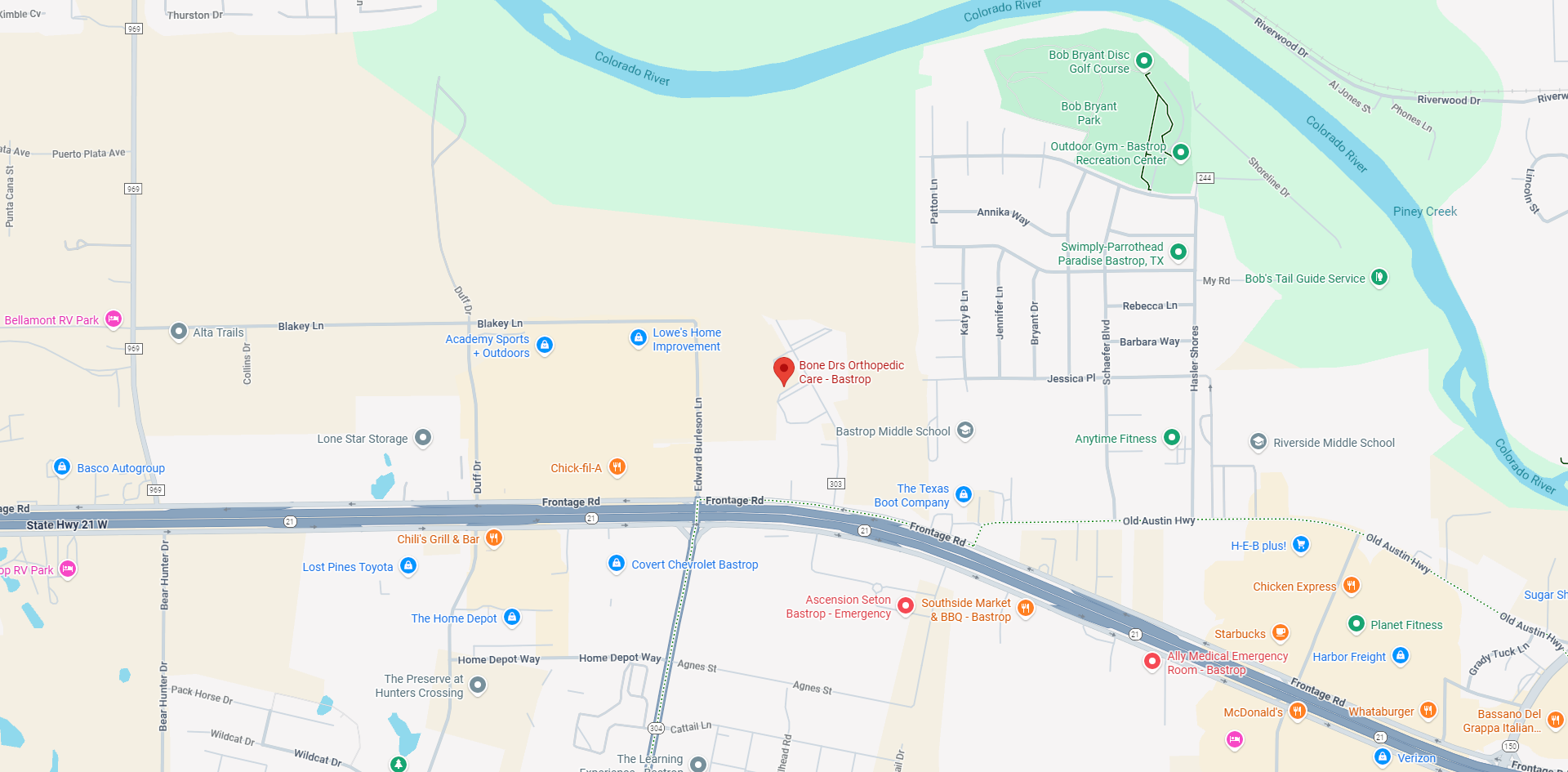
While we prefer to see you in our offices in Austin, San Marcos, or Bastrop, some signs require immediate attention at an urgent care or emergency room:
- Visible Deformity: If your arm looks like it has an extra bend in it.
- Bone Protrusion: Any time a bone breaks the skin.
- Inability to Move: If you cannot bend or straighten your arm at all.
- Severe Swelling/Bruising: Rapid, extreme swelling can indicate Elbow Fractures or severe ligament ruptures.
Advanced Diagnosis and Treatment Pathways
Getting the right treatment starts with the right diagnosis. We don't guess; we investigate.
How an Elbow Pain Specialist Diagnoses Complex Injuries
When you visit us, we start with a thorough physical examination. We’ll ask you to perform certain movements, like resisting wrist extension, to see exactly which tendons are complaining. We also look at your medical history—your job, your hobbies, and any previous injuries.
To get the full picture, we utilize advanced imaging:
- X-rays: Great for looking at the bones and checking for fractures or arthritis.
- MRI: The gold standard for seeing "soft tissue" like tendons, ligaments, and nerves. This helps us identify the severity of tears or Elbow Instability.
- Ultrasound: A dynamic way to see the tendons in motion.
Our diagnostic process is backed by the latest Tennis elbow diagnosis research, ensuring we use evidence-based methods to pinpoint your pain.
Non-Surgical and Surgical Treatment Options
The good news? Most elbow issues don't need surgery. In fact, roughly 80-95% of tennis elbow patients are successfully treated without ever seeing an operating room.
Non-Surgical Options:
- Activity Modification: Sometimes, just changing the way you hold your tennis racket or computer mouse can make a world of difference.
- Physical Therapy: Strengthening the muscles around the elbow to take the pressure off the joint.
- Bracing: A "counterforce brace" can help rest the inflamed tendons.
- Steroid or PRP Injections: To reduce inflammation or promote healing in chronic cases.
Surgical Options:If conservative treatments fail after 6-12 months, we may discuss surgical interventions:
- Elbow Arthroscopy: A minimally invasive "keyhole" surgery using a tiny camera to clean out bone spurs or loose fragments.
- Tommy John Surgery: Formally known as Ulnar Collateral Ligament (UCL) reconstruction, this is famous among baseball pitchers but can help anyone with severe ligament instability.
- Cubital Tunnel Release: Making more room for the ulnar nerve to stop numbness and pain.
- Open Elbow Surgery: Used for more complex repairs where a larger incision is necessary to reattach tendons or fix fractures.
Recovery, Home Care, and Prevention Strategies
Whether you’re recovering from an injury or just trying to prevent one, home care is vital. We recommend the classic RICE method (Rest, Ice, Compression, Elevation) for acute flare-ups. Over-the-counter NSAIDs (like ibuprofen) can help manage the "burn," but always check with us first to ensure they're safe for you.
For those recovering from specific procedures like a Distal Biceps Repair or a Triceps Tendon Repair, your commitment to physical therapy is the biggest predictor of success.
Prevention Tips:
- Warm Up: Never jump into heavy lifting or sports with "cold" muscles.
- Check Your Gear: If you’re a tennis player in Austin, make sure your racket isn't too heavy or strung too tightly.
- Ergonomics: If you work at a desk, ensure your workstation is set up so your elbows are at a comfortable 90-degree angle.
Post-Surgical Recovery and Long-Term Outcomes
If you do require surgery, knowing the timeline helps manage expectations. For something like tennis elbow surgery, full recovery typically takes three to six months.
- Weeks 1-2: Immobilization in a splint to let the initial healing happen.
- Weeks 2-6: Gentle range-of-motion exercises.
- Months 3+: Gradual strengthening and return to activities.
Surgery for tennis elbow is successful in as high as 90% of patients. For more advanced conditions, we offer Total Elbow Replacement or Elbow Ligament Reconstruction to get you back to a pain-free life.
Frequently Asked Questions about Elbow Pain
How long is the typical recovery after elbow surgery?
Recovery varies by procedure. A simple arthroscopic cleanup might have you back to normal in a few weeks, while a major ligament reconstruction or tendon repair usually follows a 3-6 month timeline. We will provide a specific rehabilitation protocol tailored to your surgery and lifestyle.
Can tennis elbow be treated without surgery?
Absolutely! As mentioned, the vast majority (up to 95%) of patients get better with conservative management. This includes rest, physical therapy, and sometimes bracing or injections. We only recommend surgery if these options haven't worked after a significant trial period (usually 6-12 months).
What qualifications should I look for in a specialist?
You should look for a board-certified orthopedic surgeon who has completed a fellowship in hand or upper extremity surgery. This ensures they have the highest level of training specifically for the elbow. At BONE DRs, our specialists are fellowship-trained and committed to a patient-centered approach.
Conclusion
Elbow pain can turn simple daily tasks into a frustrating struggle. Whether you're dealing with a sports injury or the cumulative stress of a busy career, you don't have to live with the discomfort. At BONE DRs Orthopedic Care, we provide personalized, multidisciplinary treatment designed to get you back to your best self.
With convenient locations in Austin, San Marcos, and Bastrop, expert help is never far away. Don't let your elbow pain linger and potentially lead to more significant damage.
Schedule a consultation with a specialist today and take the first step toward a pain-free future. We look forward to helping you get back in the swing of things!
If you have any concerns about your joints, contact us and we can help determine a treatment that works for you.