Elbow Specialists in Austin & Central Texas
Anatomy
BONE DRs treats a full range of elbow conditions in Austin, San Marcos, Bastrop, and Round Rock, TX — from tennis elbow and golfer’s elbow to complex tendon tears and sports injuries. Our fellowship-trained upper extremity specialists provide both conservative and surgical treatment options.
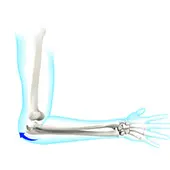
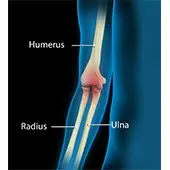
The elbow is a complex joint formed by the articulation of three bones – the humerus, radius, and ulna. The elbow joint helps in bending or straightening of the arm to 180 degrees and lifting or moving objects.
The bones of the elbow are supported by:
- Ligaments and tendons
- Muscles
- Nerves
- Blood vessels
Bones and Joints of the Elbow
The elbow joint is formed at the junction of three bones:
- The humerus (upper arm bone) forms the upper portion of the joint. The lower end of the humerus divides into two bony protrusions known as the medial and lateral epicondyles, which can be felt on either side of the elbow joint.
- The ulna is the larger bone of the forearm located on the inner surface of the joint. It articulates with the humerus.
- The radius is the smaller bone of the forearm situated on the outer surface of the joint. The head of the radius is circular and hollow, which allows movement with the humerus. The articulation between the ulna and radius helps the forearm to rotate.
The elbow consists of three joints, namely:
- The humeroulnar joint is formed between the humerus and ulna and allows flexion and extension of the arm.
- The humeroradial joint is formed between the radius and humerus and allows movements like flexion, extension, supination, and pronation.
- The radioulnar joint is formed between the ulna and radius bones and allows rotation of the lower arm.
Articular cartilage lines the articulating regions of the humerus, radius, and ulna. It is a thin, tough, flexible and slippery surface that acts as a shock absorber and cushion to reduce friction between the bones. The cartilage is lubricated with synovial fluid, which further enables the smooth movement of the bones.
Muscles of the Elbow Joint
There are several muscles extending across the elbow joint that help in various movements. These include the following:
- Biceps brachii: Upper arm muscle, enabling flexion of the arm
- Triceps brachii: Muscle in the back of the upper arm that extends the arm and fixes the elbow during fine movements
- Brachialis: Upper arm muscle beneath the biceps, which flexes the elbow towards the body
- Brachioradialis: Forearm muscle that flexes, straightens and pulls the arm at the elbow
- Pronator teres: Muscle that extends from the humeral head, across the elbow, and towards the ulna, and helps to turn the palm facing backward
- Extensor carpi radialis brevis: Forearm muscle that helps in movement of the hand
- Extensor digitorum: Forearm muscle that helps in movement of the fingers
Ligaments and Tendons of the Elbow
The elbow joint is supported by ligaments and tendons, which provide stability to the joint.
Ligaments are a group of firm tissues that connect bones to other bones. The most important ligaments of the elbow joint are the:
- Medial or ulnar collateral ligament: Comprised of triangular bands of tissue on the inner side of the elbow joint
- Lateral or radial collateral ligament: A thin band of tissue on the outer side of the elbow joint
- Annular ligament: Group of fibers that surround the radial head, and hold the ulna and radius tightly in place during movement of the arm
Together, the medial and lateral ligaments are the main source of stability and hold the humerus and ulna tightly in place during movement of the arm.
The ligaments around a joint combine to form a joint capsule that contains synovial fluid.
Any injury to these ligaments can lead to instability of the elbow joint.
Tendons are bands of connective tissue fibers that connect muscle to bone. The various tendons that surround the elbow joint include:
- Biceps tendon: attaches the biceps muscle to the radius, allowing the elbow to bend
- Triceps tendon: attaches the triceps muscle to the ulna, allowing the elbow to straighten
Nerves of the Elbow
The main nerves of the elbow joint are the ulnar, radial and median nerves. These nerves transfer signals from the brain to the muscles that aid in elbow movements. They also carry sensory signals such as touch, pain, and temperature back to the brain.
Any injury or damage to these nerves causes pain, weakness or joint instability.
Blood Vessels Supplying the Elbow
Arteries are blood vessels that carry oxygen-pure blood from the heart to the hand. The main artery of the elbow is the brachial artery that travels across the inside of the elbow and divides into two small branches below the elbow to form the ulnar and the radial artery.
Conditions
Elbow Fractures

Elbow Arthritis
Elbow Instability
Elbow Pain
Elbow Sprain
Golfer's Elbow
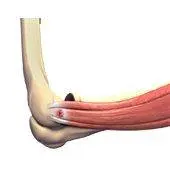
Tennis Elbow
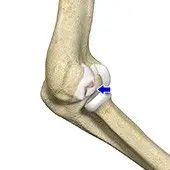
Osteochondritis Dissecans of Elbow
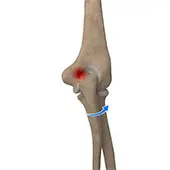
Elbow Impingement
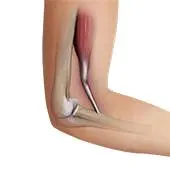
Distal Biceps Tendon Rupture
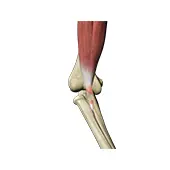
Biceps Tenodesis
Procedures
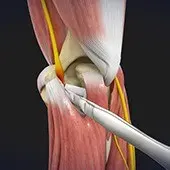
Cubital Tunnel Release
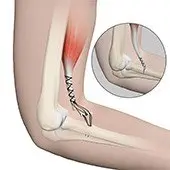
Distal Biceps Repair
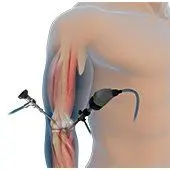
Elbow Arthroscopy
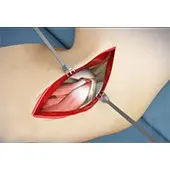
Open Elbow Surgery
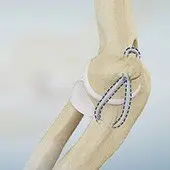
Tommy John Surgery
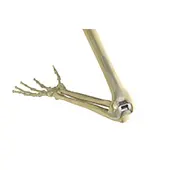
Total Elbow Replacement
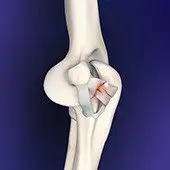
Elbow Ligament Reconstruction
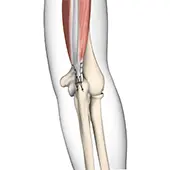
Triceps Tendon Repair
FAQs
We treat a wide range of elbow problems including tennis elbow, golfer’s elbow, elbow arthritis, tendon tears, and sports injuries. Our fellowship-trained elbow specialists can help with both conservative treatment and surgical options.
Most cases of tennis elbow are successfully treated without surgery using physical therapy, anti-inflammatory medications, and activity modification. If conservative treatment doesn’t work after 3–6 months, surgery may be an option, but about 90% of cases improve with non-surgical approaches.
Recovery depends on the specific procedure — your surgeon will give you a personalized timeline. Physical therapy is a critical part of recovery and typically continues for several weeks to months to regain full strength and motion.
You don’t need to have imaging done before coming in, though if you already have recent images from another doctor, please bring them. Our specialists can order the right imaging tests during your appointment if needed to make an accurate diagnosis.
Timeline depends on what’s causing your pain and how you’re treated — your specialist will give you a specific recovery plan after evaluating your elbow and will progress you carefully through physical therapy.
We can help identify what’s causing the overuse and work with you on activity modification and strengthening exercises. We can also provide documentation for your workplace if you need accommodations while healing, and most workplace injuries are covered by workers’ compensation insurance.
BONE DRs treats a full range of elbow conditions in Austin, San Marcos, Bastrop, and Round Rock, TX — from tennis elbow and golfer’s elbow to complex tendon tears and sports injuries. Our fellowship-trained upper extremity specialists provide both conservative and surgical treatment options.
The elbow is a complex joint formed by the articulation of three bones – the humerus, radius, and ulna. The elbow joint helps in bending or straightening of the arm to 180 degrees and lifting or moving objects.
The bones of the elbow are supported by:
- Ligaments and tendons
- Muscles
- Nerves
- Blood vessels
Bones and Joints of the Elbow
The elbow joint is formed at the junction of three bones:
- The humerus (upper arm bone) forms the upper portion of the joint. The lower end of the humerus divides into two bony protrusions known as the medial and lateral epicondyles, which can be felt on either side of the elbow joint.
- The ulna is the larger bone of the forearm located on the inner surface of the joint. It articulates with the humerus.
- The radius is the smaller bone of the forearm situated on the outer surface of the joint. The head of the radius is circular and hollow, which allows movement with the humerus. The articulation between the ulna and radius helps the forearm to rotate.
The elbow consists of three joints, namely:
- The humeroulnar joint is formed between the humerus and ulna and allows flexion and extension of the arm.
- The humeroradial joint is formed between the radius and humerus and allows movements like flexion, extension, supination, and pronation.
- The radioulnar joint is formed between the ulna and radius bones and allows rotation of the lower arm.
Articular cartilage lines the articulating regions of the humerus, radius, and ulna. It is a thin, tough, flexible and slippery surface that acts as a shock absorber and cushion to reduce friction between the bones. The cartilage is lubricated with synovial fluid, which further enables the smooth movement of the bones.
Muscles of the Elbow Joint
There are several muscles extending across the elbow joint that help in various movements. These include the following:
- Biceps brachii: Upper arm muscle, enabling flexion of the arm
- Triceps brachii: Muscle in the back of the upper arm that extends the arm and fixes the elbow during fine movements
- Brachialis: Upper arm muscle beneath the biceps, which flexes the elbow towards the body
- Brachioradialis: Forearm muscle that flexes, straightens and pulls the arm at the elbow
- Pronator teres: Muscle that extends from the humeral head, across the elbow, and towards the ulna, and helps to turn the palm facing backward
- Extensor carpi radialis brevis: Forearm muscle that helps in movement of the hand
- Extensor digitorum: Forearm muscle that helps in movement of the fingers
Ligaments and Tendons of the Elbow
The elbow joint is supported by ligaments and tendons, which provide stability to the joint.
Ligaments are a group of firm tissues that connect bones to other bones. The most important ligaments of the elbow joint are the:
- Medial or ulnar collateral ligament: Comprised of triangular bands of tissue on the inner side of the elbow joint
- Lateral or radial collateral ligament: A thin band of tissue on the outer side of the elbow joint
- Annular ligament: Group of fibers that surround the radial head, and hold the ulna and radius tightly in place during movement of the arm
Together, the medial and lateral ligaments are the main source of stability and hold the humerus and ulna tightly in place during movement of the arm.
The ligaments around a joint combine to form a joint capsule that contains synovial fluid.
Any injury to these ligaments can lead to instability of the elbow joint.
Tendons are bands of connective tissue fibers that connect muscle to bone. The various tendons that surround the elbow joint include:
- Biceps tendon: attaches the biceps muscle to the radius, allowing the elbow to bend
- Triceps tendon: attaches the triceps muscle to the ulna, allowing the elbow to straighten
Nerves of the Elbow
The main nerves of the elbow joint are the ulnar, radial and median nerves. These nerves transfer signals from the brain to the muscles that aid in elbow movements. They also carry sensory signals such as touch, pain, and temperature back to the brain.
Any injury or damage to these nerves causes pain, weakness or joint instability.
Blood Vessels Supplying the Elbow
Arteries are blood vessels that carry oxygen-pure blood from the heart to the hand. The main artery of the elbow is the brachial artery that travels across the inside of the elbow and divides into two small branches below the elbow to form the ulnar and the radial artery.
Cubital Tunnel Release
Distal Biceps Repair
Elbow Arthroscopy
Open Elbow Surgery
Tommy John Surgery
Total Elbow Replacement
Elbow Ligament Reconstruction
Triceps Tendon Repair
FAQs
We treat a wide range of elbow problems including tennis elbow, golfer’s elbow, elbow arthritis, tendon tears, and sports injuries. Our fellowship-trained elbow specialists can help with both conservative treatment and surgical options.
Most cases of tennis elbow are successfully treated without surgery using physical therapy, anti-inflammatory medications, and activity modification. If conservative treatment doesn’t work after 3–6 months, surgery may be an option, but about 90% of cases improve with non-surgical approaches.
Recovery depends on the specific procedure — your surgeon will give you a personalized timeline. Physical therapy is a critical part of recovery and typically continues for several weeks to months to regain full strength and motion.
You don’t need to have imaging done before coming in, though if you already have recent images from another doctor, please bring them. Our specialists can order the right imaging tests during your appointment if needed to make an accurate diagnosis.
Timeline depends on what’s causing your pain and how you’re treated — your specialist will give you a specific recovery plan after evaluating your elbow and will progress you carefully through physical therapy.
We can help identify what’s causing the overuse and work with you on activity modification and strengthening exercises. We can also provide documentation for your workplace if you need accommodations while healing, and most workplace injuries are covered by workers’ compensation insurance.


Schedule An Appointment