Foot & Ankle Orthopedic Care in Austin & Central Texas
Anatomy
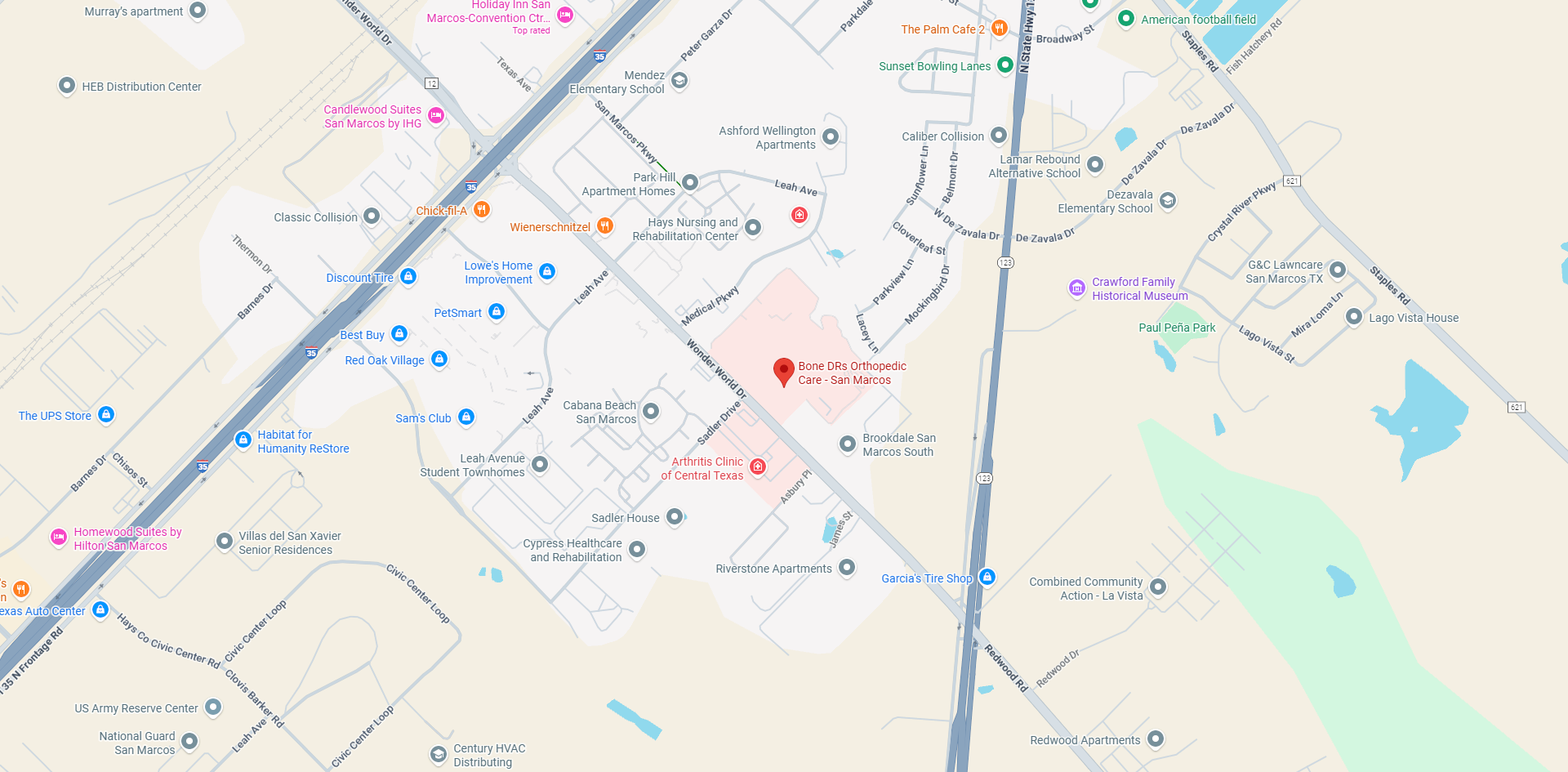
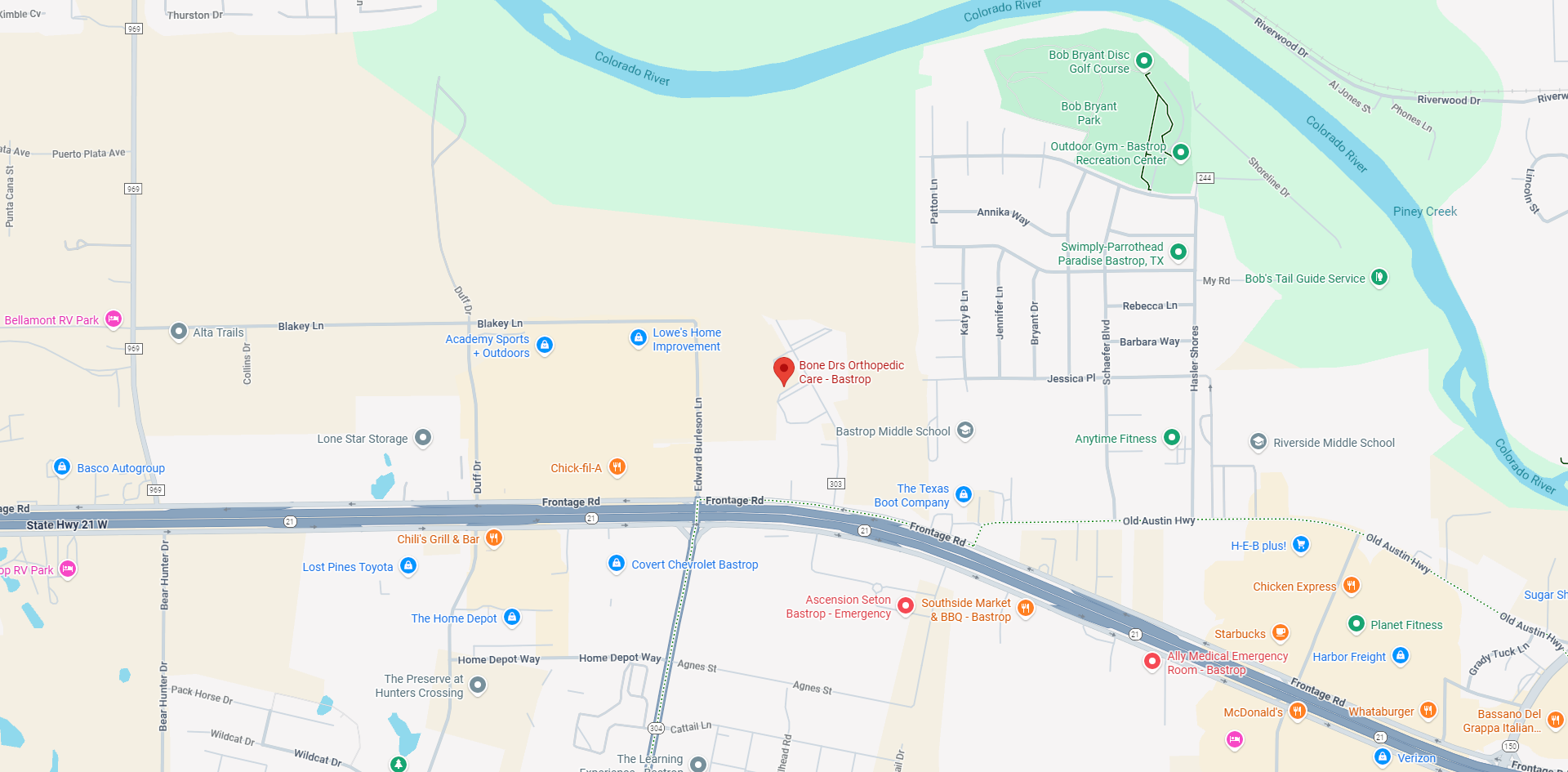
BONE DRs provides specialized foot and ankle care in Austin, San Marcos, Bastrop, and Round Rock, TX. Our board-certified podiatric surgeon specializes in ankle arthroscopy, Achilles tendon repair, ankle instability surgery, and fracture treatment.
What is the Normal Anatomy of the Foot and Ankle?
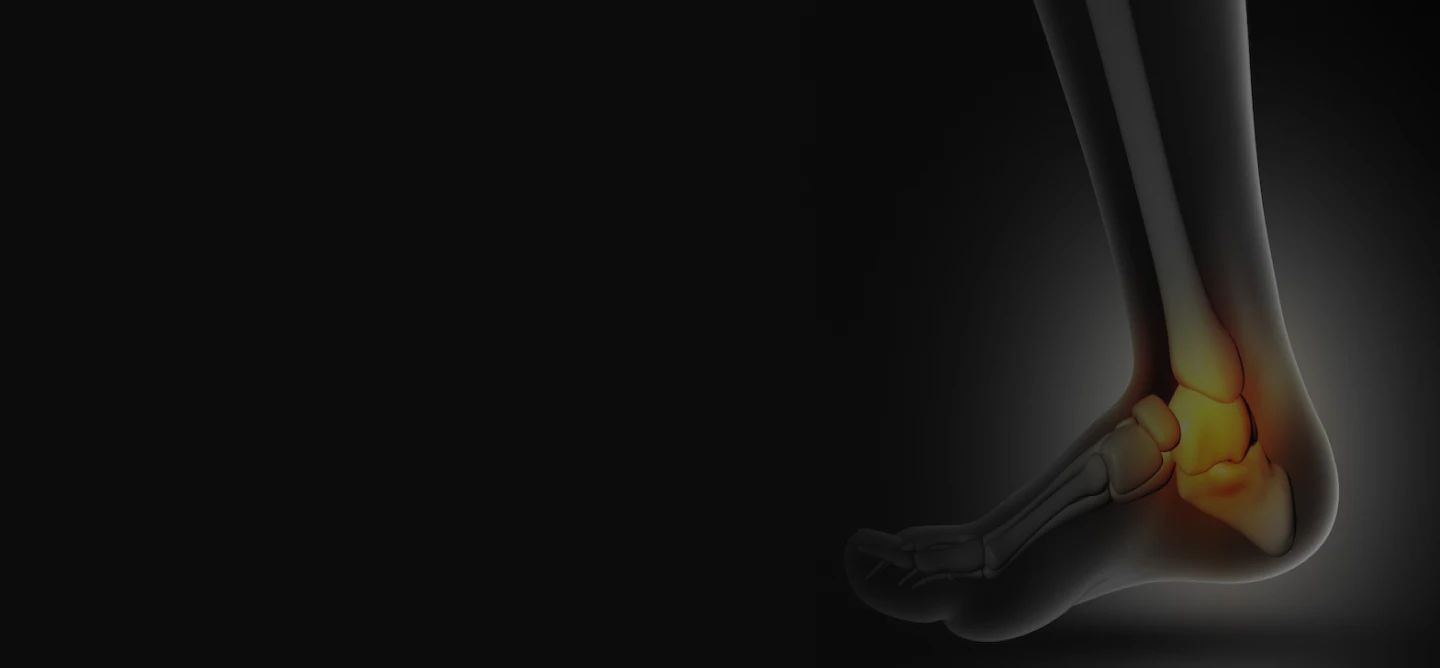
The foot and ankle form complex joints that are involved in movement and providing stability and balance to the body. The foot and ankle consist of 26 bones, 33 joints, and many muscles, tendons, and ligaments.
Bones of the Ankle
The ankle joint connects the leg with the foot and is composed of three bones: the tibia, fibula, and talus. The tibia or shinbone and fibula or calf bone are bones of the lower leg, which articulate with the talus or ankle bone, enabling up and down movement of the foot.
Three bony bumps present on the ends of the tibia and fibula form parts of the ankle joint:
- The medial malleolus, formed by the tibia, is found on the inside of the ankle.
- The posterior malleolus, also formed by the tibia, is found at the back of the ankle.
- The lateral malleolus, formed by the fibula, is found on the outer aspect of the ankle.
Bones of the Feet
The foot acts as a single functional unit, but can be divided into three parts: the hindfoot, midfoot and forefoot.
The hindfoot forms the ankle and heel, and is made up of the talus bone and calcaneus or heel bone. The heel bone is the largest bone in the foot.
The midfoot connects the hindfoot to the forefoot, and consists of one navicular bone, one cuboid bone, and three cuneiform bones. The navicular bone is found in front of the heel bone, and the cuneiform and cuboid bones are arranged in front of the navicular bone.
These bones are connected to five metatarsal bones of the forefoot that form the arch of the foot for shock absorption while walking or running. The forefoot is also made up of the toes or digits, formed by bones called phalanges - three in each toe, except the big toe, which has only two phalanges. The big toe has two additional tiny round sesamoid bones in the ball of the foot, which helps in upward and downward movements of the toe.
Ankle and Foot Joints
There are 33 joints in the ankle and foot. They include:
- Hinge joints in the ankle, which allow flexion (bending) and extension
- Gliding joints found in the hindfoot, which allow gliding movements
- Condyloid joints found in the forefoot and toes, which allow the flexion (bending) and extension, adduction, and abduction (sideward movement).
The joints of the foot and ankle provide stability and support the weight of your body, helping you to walk or run, and adapt to uneven grounds.
Soft Tissues of the Ankle and Foot
Our feet and ankle bones are held in place and supported by various soft tissues such as cartilage, ligaments, muscles, tendons, and bursae.
The joint surface of all the bones of the ankle and foot are lined by a thin, tough, flexible, and slippery surface called the articular cartilage, which acts as a shock absorber and cushion to reduce friction between the bones. The cartilage is lubricated by synovial fluid, which further enables smooth movement of the bones.
Ligaments are tough rope-like tissue that connect bones to other bones, and hold them in place, providing stability to the joints. The plantar fascia is the largest ligament in the foot, originating from the heel bone to the forefoot, it extends along the lower side of the foot and is involved in maintaining the arch of the foot. The plantar fascia ligament stretches and contracts to provide balance and strength to the foot. Lateral ligaments on the outside of the foot and medial ligaments on the inside of the foot provide stability and allow up and down movement of the foot.
The foot is made up of 20 muscles that help in movement. The main muscles include:
- Anterior tibial muscle, which allows up and down movement of the foot
- Posterior tibial muscle, which supports the arch
- Peroneal tibial muscle, which controls movement on the outside of the ankle
- Extensors, which enable the ankle to raise the toes just before stepping forward
- Flexors, which stabilize the toes against the floor
- Smaller muscles that help the toes to lift and curl
Tendons are soft tissues that connect muscles to bones. The largest and strongest tendon in the foot is the Achilles tendon, present at the back of the lower leg around the heel bone. Other tendons include peroneal and anterior and posterior tibialis.
Bursae are small fluid-filled sacs that decrease friction between tendons and bone or skin. They contain special cells called synovial cells that secrete a lubricating fluid.
Conditions
Foot Fracture


Jones Fracture Surgery
Foot and Ankle Arthritis
Ankle Dislocation
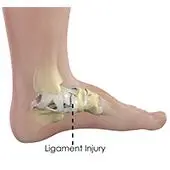
Ankle Ligament Injury
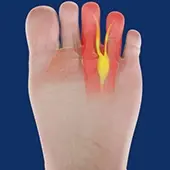
Morton's Neuroma
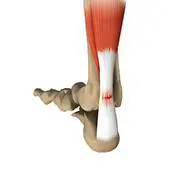
Achilles Tendon Rupture
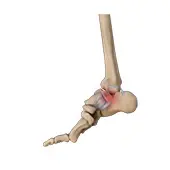
Ankle Sprain
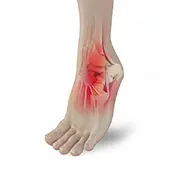
Foot Pain
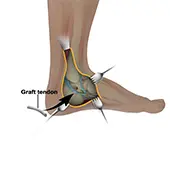
Posterior Tibial Tendon Repair
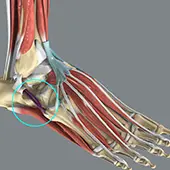
Peroneal Tendon Repair
Procedures
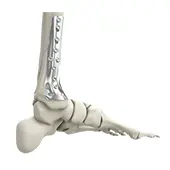
Foot Reconstruction
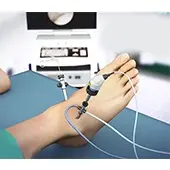
Minimally Invasive Foot Surgery
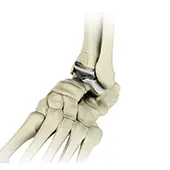
Ankle Joint Replacement
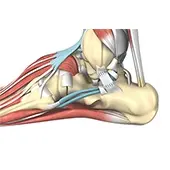
Ankle Ligament Reconstruction

Ankle Arthroscopy
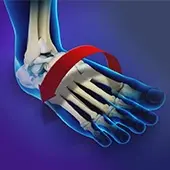
Ankle Instability Surgery
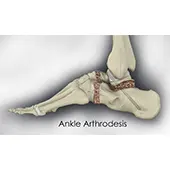
Ankle Arthrodesis
FAQs
A sprain involves torn ligaments, a strain is a muscle or tendon injury, and a break is a fractured bone — each heals differently and requires different treatment. Our foot and ankle specialist can examine you and usually determine which you have with a physical exam and X-rays.
Healing time depends on the severity of the sprain — your specialist will give you a specific timeline after evaluation. Rest, ice, compression, and elevation help in the early stages, and some sprains benefit from bracing or physical therapy for a stronger recovery.
Not necessarily — minor sprains and strains can sometimes be managed without imaging if the exam is clear. However, if there’s significant pain, inability to bear weight, or concern about a break, X-rays or other imaging helps confirm diagnosis and guides treatment.
We treat bunions, hammertoes, plantar fasciitis, ankle arthritis, Achilles tendon problems, fractures, sprains, and other foot and ankle conditions. Our board-certified podiatric surgeon has advanced training in both nonsurgical and surgical treatment of these problems.
Most conditions are tried with conservative treatment first — orthotics, medication, physical therapy, and activity modification. Surgery is considered when conservative care hasn’t worked after several weeks to months, or when structural problems like bunions or severe damage require surgical correction.
It depends on the specific break and its severity — some fractures can bear some weight while others need complete rest. Your foot and ankle specialist will tell you exactly what activities are safe for your specific injury and provide a boot or brace to protect it while healing.
BONE DRs provides specialized foot and ankle care in Austin, San Marcos, Bastrop, and Round Rock, TX. Our board-certified podiatric surgeon specializes in ankle arthroscopy, Achilles tendon repair, ankle instability surgery, and fracture treatment.
What is the Normal Anatomy of the Foot and Ankle?
The foot and ankle form complex joints that are involved in movement and providing stability and balance to the body. The foot and ankle consist of 26 bones, 33 joints, and many muscles, tendons, and ligaments.
Bones of the Ankle
The ankle joint connects the leg with the foot and is composed of three bones: the tibia, fibula, and talus. The tibia or shinbone and fibula or calf bone are bones of the lower leg, which articulate with the talus or ankle bone, enabling up and down movement of the foot.
Three bony bumps present on the ends of the tibia and fibula form parts of the ankle joint:
- The medial malleolus, formed by the tibia, is found on the inside of the ankle.
- The posterior malleolus, also formed by the tibia, is found at the back of the ankle.
- The lateral malleolus, formed by the fibula, is found on the outer aspect of the ankle.
Bones of the Feet
The foot acts as a single functional unit, but can be divided into three parts: the hindfoot, midfoot and forefoot.
The hindfoot forms the ankle and heel, and is made up of the talus bone and calcaneus or heel bone. The heel bone is the largest bone in the foot.
The midfoot connects the hindfoot to the forefoot, and consists of one navicular bone, one cuboid bone, and three cuneiform bones. The navicular bone is found in front of the heel bone, and the cuneiform and cuboid bones are arranged in front of the navicular bone.
These bones are connected to five metatarsal bones of the forefoot that form the arch of the foot for shock absorption while walking or running. The forefoot is also made up of the toes or digits, formed by bones called phalanges - three in each toe, except the big toe, which has only two phalanges. The big toe has two additional tiny round sesamoid bones in the ball of the foot, which helps in upward and downward movements of the toe.
Ankle and Foot Joints
There are 33 joints in the ankle and foot. They include:
- Hinge joints in the ankle, which allow flexion (bending) and extension
- Gliding joints found in the hindfoot, which allow gliding movements
- Condyloid joints found in the forefoot and toes, which allow the flexion (bending) and extension, adduction, and abduction (sideward movement).
The joints of the foot and ankle provide stability and support the weight of your body, helping you to walk or run, and adapt to uneven grounds.
Soft Tissues of the Ankle and Foot
Our feet and ankle bones are held in place and supported by various soft tissues such as cartilage, ligaments, muscles, tendons, and bursae.
The joint surface of all the bones of the ankle and foot are lined by a thin, tough, flexible, and slippery surface called the articular cartilage, which acts as a shock absorber and cushion to reduce friction between the bones. The cartilage is lubricated by synovial fluid, which further enables smooth movement of the bones.
Ligaments are tough rope-like tissue that connect bones to other bones, and hold them in place, providing stability to the joints. The plantar fascia is the largest ligament in the foot, originating from the heel bone to the forefoot, it extends along the lower side of the foot and is involved in maintaining the arch of the foot. The plantar fascia ligament stretches and contracts to provide balance and strength to the foot. Lateral ligaments on the outside of the foot and medial ligaments on the inside of the foot provide stability and allow up and down movement of the foot.
The foot is made up of 20 muscles that help in movement. The main muscles include:
- Anterior tibial muscle, which allows up and down movement of the foot
- Posterior tibial muscle, which supports the arch
- Peroneal tibial muscle, which controls movement on the outside of the ankle
- Extensors, which enable the ankle to raise the toes just before stepping forward
- Flexors, which stabilize the toes against the floor
- Smaller muscles that help the toes to lift and curl
Tendons are soft tissues that connect muscles to bones. The largest and strongest tendon in the foot is the Achilles tendon, present at the back of the lower leg around the heel bone. Other tendons include peroneal and anterior and posterior tibialis.
Bursae are small fluid-filled sacs that decrease friction between tendons and bone or skin. They contain special cells called synovial cells that secrete a lubricating fluid.
Foot Reconstruction
Minimally Invasive Foot Surgery
Ankle Joint Replacement
Ankle Ligament Reconstruction
Ankle Arthroscopy
Ankle Instability Surgery
Ankle Arthrodesis
FAQs
A sprain involves torn ligaments, a strain is a muscle or tendon injury, and a break is a fractured bone — each heals differently and requires different treatment. Our foot and ankle specialist can examine you and usually determine which you have with a physical exam and X-rays.
Healing time depends on the severity of the sprain — your specialist will give you a specific timeline after evaluation. Rest, ice, compression, and elevation help in the early stages, and some sprains benefit from bracing or physical therapy for a stronger recovery.
Not necessarily — minor sprains and strains can sometimes be managed without imaging if the exam is clear. However, if there’s significant pain, inability to bear weight, or concern about a break, X-rays or other imaging helps confirm diagnosis and guides treatment.
We treat bunions, hammertoes, plantar fasciitis, ankle arthritis, Achilles tendon problems, fractures, sprains, and other foot and ankle conditions. Our board-certified podiatric surgeon has advanced training in both nonsurgical and surgical treatment of these problems.
Most conditions are tried with conservative treatment first — orthotics, medication, physical therapy, and activity modification. Surgery is considered when conservative care hasn’t worked after several weeks to months, or when structural problems like bunions or severe damage require surgical correction.
It depends on the specific break and its severity — some fractures can bear some weight while others need complete rest. Your foot and ankle specialist will tell you exactly what activities are safe for your specific injury and provide a boot or brace to protect it while healing.


Schedule An Appointment