Knee

Knee

Anatomy

Knee Anatomy

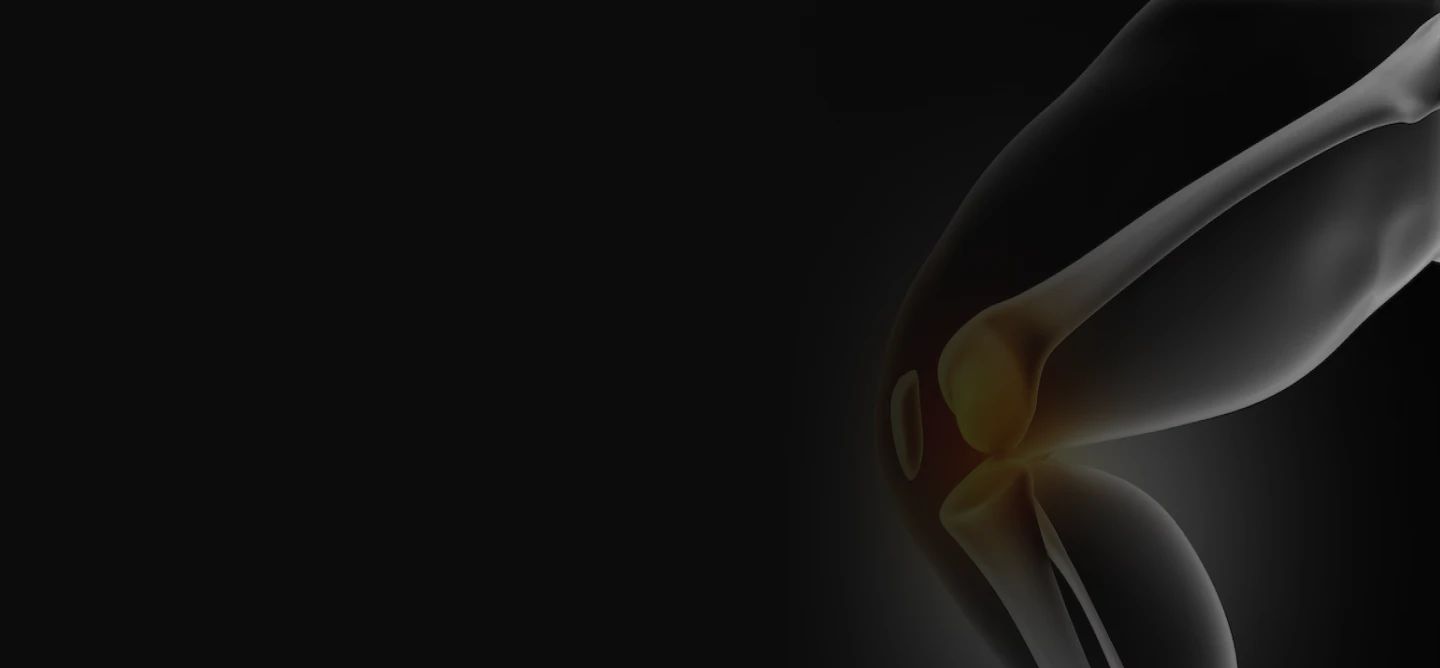
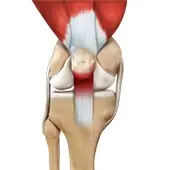
The knee is a complex joint made up of different structures - bones, tendons, ligaments, and muscles. They all work together to maintain the knee’s normal function and provide stability to the knee during movement.

Having a well-functioning healthy knee is essential for our mobility and ability to participate in various activities. Understanding the anatomy of the knee enhances your ability to discuss and choose the right treatment procedure for knee problems with your doctor.

Bones of the Knee

The knee is a hinge joint made up of two bones, the thighbone (femur) and shinbone (tibia). There are two round knobs at the end of the femur called femoral condyles that articulate with the flat surface of the tibia called the tibial plateau. The tibial plateau on the inside of the leg is called the medial tibial plateau and on the outside of the leg, the lateral tibial plateau.

The two femoral condyles form a groove on the front (anterior) side of the knee called the patellofemoral groove. A small bone called the patella sits in this groove and forms the kneecap. It acts as a shield and protects the knee joint from direct trauma.

A fourth bone called the fibula is the other bone of the lower leg. This forms a small joint with the tibia. This joint has very little movement and is not considered a part of the main joint of the knee.

Articular Cartilage and Menisci of the Knee

Movement of the bones causes friction between the articulating surfaces. To reduce this friction, all articulating surfaces involved in the movement are covered with a white, shiny, slippery layer called articular cartilage. The articulating surface of the femoral condyles, tibial plateaus and the back of the patella are covered with this cartilage. The cartilage provides a smooth surface that facilitates easy movement.

To further reduce friction between the articulating surfaces of the bones, the knee joint is lined by a synovial membrane that produces a thick clear fluid called synovial fluid. This fluid lubricates and nourishes the cartilage and bones inside the joint capsule.

Within the knee joint, between the femur and tibia, are two C-shaped cartilaginous structures called menisci. Menisci function to provide stability to the knee by spreading the weight of the upper body across the whole surface of the tibial plateau. The menisci help in load-bearing i.e. it prevents the weight from concentrating onto a small area, which could damage the articular cartilage. The menisci also act as a cushion between the femur and tibia by absorbing the shock produced by activities such as walking, running and jumping.

Ligaments of the Knee

Ligaments are tough bands of tissue that connect one bone to another bone. The ligaments of the knee stabilize the knee joint. There are two important groups of ligaments that hold the bones of the knee joint together, collateral and cruciate ligaments.

Collateral ligaments are present on either side of the knee. They prevent the knee from moving too far during side to side motion. The collateral ligament on the inside is called the medial collateral ligament (MCL) and the collateral ligament on the outside is called the lateral collateral ligament (LCL).

Cruciate ligaments, present inside the knee joint, control the back-and-forth motion of the knee. The cruciate ligament in the front of the knee is called anterior cruciate ligament (ACL) and the cruciate ligament in the back of the knee is called posterior cruciate ligament (PCL).

Muscles of the Knee

There are two major muscles in the knee - the quadriceps and the hamstrings, which enable movement of the knee joint. The quadriceps muscles are located in front of the thigh. When the quadriceps muscles contract, the knee straightens. The hamstrings are located at the back of the thigh. When the hamstring muscles contract, the knee bends.

Tendons of the Knee

A tendon is a tissue that attaches a muscle to a bone. The quadriceps muscles of the knee meet just above the patella and attach to it through a tendon called the quadriceps tendon. The patella further attaches to the tibia through a tendon called the patella tendon. The quadriceps muscle, quadriceps tendon, and patellar tendon all work together to straighten the knee. Similarly, the hamstring muscles at the back of the leg are attached to the knee joint with the hamstring tendon.

Knee

Conditions

Stress Fracture of the Tibia

Stress Fracture of the Tibia

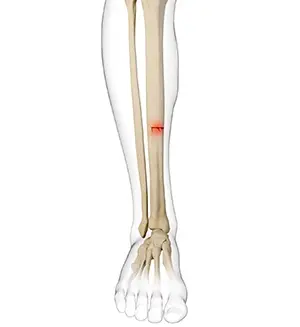
A stress fracture of the tibia or shinbone is a thin fracture, also called a hairline fracture that occurs in the tibia due to excess stress or overuse. The tibia is a weight-bearing bone in which stresses can accumulate from activities such as running and jumping.
KNOW MORE
LAUNCH MOVIE
Stress Fracture of the Tibia
Patella Fracture
Patella Fracture

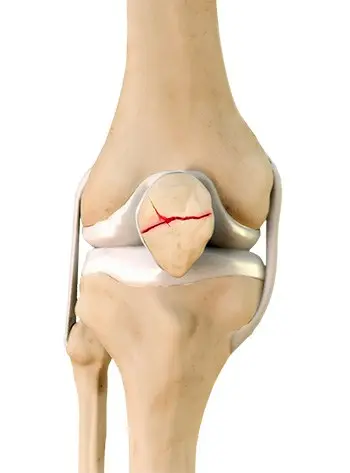
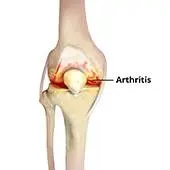
The kneecap or patella forms a part of the knee joint. It is present at the front of the knee, protecting the knee and providing attachment to various muscle groups of the thigh and leg.
KNOW MORE
LAUNCH MOVIE
Patella Fracture
Knee Arthritis

Knee Arthritis

The joint surface is covered by a smooth articular surface that allows pain-free movement in the joint. Arthritis is a general term covering numerous conditions where the joint surface or cartilage wears out. This surface can wear out for several reasons; often the definite cause is not known. Arthritis often affects the knee joint. When the articular cartilage wears out, the bone ends rub on one another and cause pain. The most common type of arthritis is osteoarthritis. It occurs with aging and use.
KNOW MORE
LAUNCH MOVIE
Knee Arthritis
Knee Osteoarthritis

Knee Osteoarthritis

Osteoarthritis also called degenerative joint disease, is the most common form of arthritis. It occurs most often in older people. This disease affects the tissue covering the ends of bones in a joint (cartilage).In a person with osteoarthritis, the cartilage becomes damaged and worn out causing pain, swelling, stiffness and restricted movement in the affected joint. This condition most commonly affects the joints in the hips, knees, hands, and spine. Rarely, the disease may affect the shoulders, wrists, and feet.
KNOW MORE
LAUNCH MOVIE
Knee Osteoarthritis
Jumper's Knee

Jumper's Knee

Jumper’s knee, also known as patellar tendinitis, is inflammation of the patellar tendon that connects your kneecap (patella) to your shinbone. This tendon helps in the extension of the lower leg.
KNOW MORE
LAUNCH MOVIE
Jumper's Knee
Knee Pain

Knee Pain

Knee pain is a common condition affecting individuals of various age groups. It not only affects movement but also impacts your quality of life. An injury or disease of the knee joint or any structure surrounding the knee can result in knee pain. A precise diagnosis of the underlying cause is important to develop an appropriate treatment plan.
KNOW MORE
LAUNCH MOVIE
Knee Pain
PCL Injuries

PCL Injuries

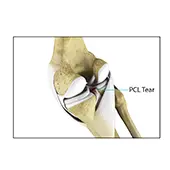
Posterior cruciate ligament (PCL), one of the four major ligaments of the knee, is situated at the back of the knee. It connects the thighbone (femur) to the shinbone (tibia). The PCL limits the backward motion of the shinbone.
KNOW MORE
LAUNCH MOVIE
PCL Injuries
Knee Ligament Injuries

Knee Ligament Injuries

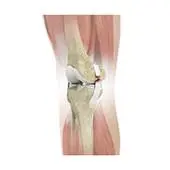
The knee is a complex joint that consists of bone, cartilage, ligaments, and tendons that help in your joint’s movements. The knee is a hinge joint made up of two bones, the thighbone (femur) and shinbone (tibia). Ligaments are tough bands of tissue that connect one bone to another bone. The ligaments of the knee stabilize the knee joint. There are two important groups of ligaments that hold the bones of the knee joint together, collateral and cruciate ligaments - medial collateral ligament (MCL) and lateral collateral ligament (LCL), and anterior cruciate ligament (ACL) and posterior cruciate ligament (PCL).
KNOW MORE
LAUNCH MOVIE
Knee Ligament Injuries
Meniscal Tears
Meniscal Tears

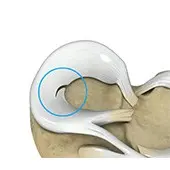
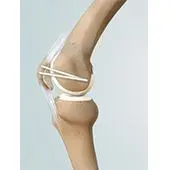
There are two wedge-shaped cartilage pieces present between the thighbone and the shinbone each called a meniscus. The menisci stabilize the knee joint and act as shock absorbers.
KNOW MORE
LAUNCH MOVIE
Meniscal Tears
MPFL Reconstruction

MPFL Reconstruction

The medial patellofemoral ligament (MPFL) is a ligament that joins the kneecap (patella) to the thighbone (femur). Ligaments are fibrous connective tissue that attach bones to other bones. The MPFLis attached to the inside of the patella and helps stabilize it and position it in a groove at the lower end of the femur called the trochlea. Trauma or a blow to the knee may cause a tear in the ligament.
KNOW MORE
LAUNCH MOVIE
MPFL Reconstruction
Knee

Procedures

Knee Arthroscopy

Knee Arthroscopy

Knee arthroscopy is a common surgical procedure performed using an arthroscope, a viewing instrument, to diagnose or treat a knee problem. It is a relatively safe procedure and you will usually be discharged from the hospital on the same day of surgery.
KNOW MORE
LAUNCH MOVIE
Knee Arthroscopy
Knee Injury

Knee Injury

Pain, swelling, and stiffness are the common symptoms of any damage or injury to the knee. If care is not taken during the initial phases of injury, it may lead to joint damage, which may end up destroying your knee.
KNOW MORE
LAUNCH MOVIE
Knee Injury
Knee Ligament Reconstruction
Knee Ligament Reconstruction

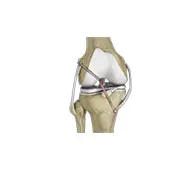
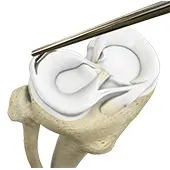
Knee ligament reconstruction is a surgical procedure to repair or replace damaged ligaments of the knee joint. The surgery can be performed using minimally invasive techniques.
KNOW MORE
LAUNCH MOVIE
Knee Ligament Reconstruction
Meniscectomy
Meniscectomy

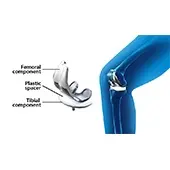
Meniscectomy is a surgical procedure indicated in individuals with torn meniscus where the conservative treatments are a failure to relieve the pain and other symptoms. Meniscectomy is recommended based on the ability of meniscus to heal, patient’s age, health status, and activity level.
KNOW MORE
LAUNCH MOVIE
Meniscectomy
Total Knee Replacement

Total Knee Replacement

Total knee replacement, also called total knee arthroplasty, is a surgical procedure in which the worn out or damaged surfaces of the knee joint are removed and replaced with an artificial prosthesis.
KNOW MORE
LAUNCH MOVIE
Total Knee Replacement
Minimally Invasive Knee Replacement
Minimally Invasive Knee Replacement

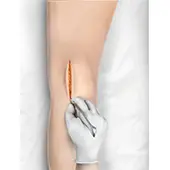
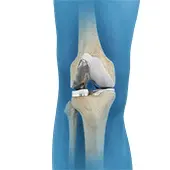
Total knee replacement is a very successful surgical treatment for knee arthritis. Over the years, minimally invasive knee replacement surgical techniques have been developed to lessen tissue trauma and improve patient outcomes. This minimally invasive approach involves much smaller incisions than the usual 10-12 inch incisions used in the traditional knee replacement and spares the quadriceps muscle and tendon, which control bending of the knee, from being cut to access the knee joint.
KNOW MORE
LAUNCH MOVIE
Minimally Invasive Knee Replacement
Unicondylar Knee Replacement
Unicondylar Knee Replacement

Unicompartmental knee replacement orunicondylar knee replacementis a minimally invasive surgery in which only the damaged compartment of the knee is replaced with an implant. It is also called a partial knee replacement. The knee can be divided into three compartments: patellofemoral, the compartment in front of the knee between the knee cap and thigh bone, medial compartment, on the inside portion of the knee, and lateral compartment which is the area on the outside portion of the knee joint.
KNOW MORE
LAUNCH MOVIE
Unicondylar Knee Replacement
Quadriceps Tendon Rupture and Repair

Quadriceps Tendon Rupture and Repair

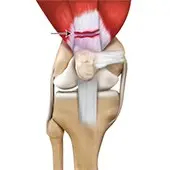
A quadriceps tendon rupture is defined as a tear of the quadriceps tendon as a result of a traumatic incident. The quadriceps tendon is a strong rope-like fibrous tissue located at the top of the patella or kneecap that connects the quadriceps muscles to the kneecap. It works together with the quadriceps muscles to allow us to straighten our leg. The quadriceps muscles are the muscles located at the front of the thigh.
KNOW MORE
LAUNCH MOVIE
Quadriceps Tendon Rupture and Repair
Nonsurgical Knee Treatments
Nonsurgical Knee Treatments

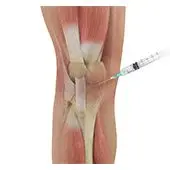
The knee is a complex joint that consists of bone, cartilage, ligaments, and tendons that make joint movements easy and at the same time it is more susceptible to various kinds of injuries. Knee problems may arise if any of these structures get injured by overuse or suddenly during sports activities. Injuries to the knee can be caused by degenerative diseases such as arthritis, traumatic injuries, and sports injuries.
KNOW MORE
LAUNCH MOVIE
Nonsurgical Knee Treatments
Knee Injections
Knee Injections

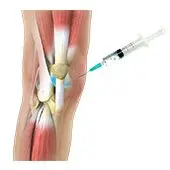
Knee pain and stiffness can be disabling and difficult to treat. It can limit an individual’s lifestyle and negatively impact body image and emotional well-being. An intra-articular knee injection is a very effective form of treatment where medicine is delivered directly into the knee joint with the primary objective of relieving pain from conditions such as arthritis.
KNOW MORE
LAUNCH MOVIE
Knee Injections
Viscosupplementation
Viscosupplementation

Viscosupplementation refers to the injection of a hyaluronan preparation into the joint. Hyaluronan is a natural substance present in the joint fluid that assists in lubrication. It allows the smooth movement of the cartilage-covered articulating surfaces of the joint.
KNOW MORE
LAUNCH MOVIE
Viscosupplementation
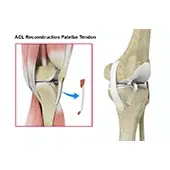
ACL Reconstruction
ACL Reconstruction

ACL (anterior cruciate ligament) reconstruction is a commonly performed surgical procedure. With recent advances in arthroscopic surgery, it can now be performed with minimal incision and low complication rates.
KNOW MORE
LAUNCH MOVIE
ACL Reconstruction
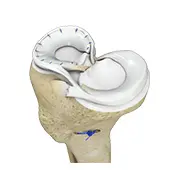
Meniscus Surgery

Meniscus Surgery

Meniscal surgery is a surgical procedure employed for the treatment of torn or damaged meniscal tissues in the knee. It is mostly performed as a minimally invasive keyhole procedure.
KNOW MORE
LAUNCH MOVIE
Meniscus Surgery
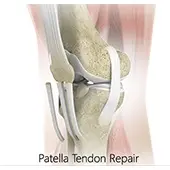
Patellar Tendon Repair

Patellar Tendon Repair

Patellar tendon repair is the surgery performed to reattach the torn tendon to the kneecap and to restore normal function in the affected leg.
KNOW MORE
LAUNCH MOVIE
Patellar Tendon Repair
Knee

Knee Anatomy

The knee is a complex joint made up of different structures - bones, tendons, ligaments, and muscles. They all work together to maintain the knee’s normal function and provide stability to the knee during movement.

Having a well-functioning healthy knee is essential for our mobility and ability to participate in various activities. Understanding the anatomy of the knee enhances your ability to discuss and choose the right treatment procedure for knee problems with your doctor.

Bones of the Knee

The knee is a hinge joint made up of two bones, the thighbone (femur) and shinbone (tibia). There are two round knobs at the end of the femur called femoral condyles that articulate with the flat surface of the tibia called the tibial plateau. The tibial plateau on the inside of the leg is called the medial tibial plateau and on the outside of the leg, the lateral tibial plateau.

The two femoral condyles form a groove on the front (anterior) side of the knee called the patellofemoral groove. A small bone called the patella sits in this groove and forms the kneecap. It acts as a shield and protects the knee joint from direct trauma.

A fourth bone called the fibula is the other bone of the lower leg. This forms a small joint with the tibia. This joint has very little movement and is not considered a part of the main joint of the knee.

Articular Cartilage and Menisci of the Knee

Movement of the bones causes friction between the articulating surfaces. To reduce this friction, all articulating surfaces involved in the movement are covered with a white, shiny, slippery layer called articular cartilage. The articulating surface of the femoral condyles, tibial plateaus and the back of the patella are covered with this cartilage. The cartilage provides a smooth surface that facilitates easy movement.

To further reduce friction between the articulating surfaces of the bones, the knee joint is lined by a synovial membrane that produces a thick clear fluid called synovial fluid. This fluid lubricates and nourishes the cartilage and bones inside the joint capsule.

Within the knee joint, between the femur and tibia, are two C-shaped cartilaginous structures called menisci. Menisci function to provide stability to the knee by spreading the weight of the upper body across the whole surface of the tibial plateau. The menisci help in load-bearing i.e. it prevents the weight from concentrating onto a small area, which could damage the articular cartilage. The menisci also act as a cushion between the femur and tibia by absorbing the shock produced by activities such as walking, running and jumping.

Ligaments of the Knee

Ligaments are tough bands of tissue that connect one bone to another bone. The ligaments of the knee stabilize the knee joint. There are two important groups of ligaments that hold the bones of the knee joint together, collateral and cruciate ligaments.

Collateral ligaments are present on either side of the knee. They prevent the knee from moving too far during side to side motion. The collateral ligament on the inside is called the medial collateral ligament (MCL) and the collateral ligament on the outside is called the lateral collateral ligament (LCL).

Cruciate ligaments, present inside the knee joint, control the back-and-forth motion of the knee. The cruciate ligament in the front of the knee is called anterior cruciate ligament (ACL) and the cruciate ligament in the back of the knee is called posterior cruciate ligament (PCL).

Muscles of the Knee

There are two major muscles in the knee - the quadriceps and the hamstrings, which enable movement of the knee joint. The quadriceps muscles are located in front of the thigh. When the quadriceps muscles contract, the knee straightens. The hamstrings are located at the back of the thigh. When the hamstring muscles contract, the knee bends.

Tendons of the Knee

A tendon is a tissue that attaches a muscle to a bone. The quadriceps muscles of the knee meet just above the patella and attach to it through a tendon called the quadriceps tendon. The patella further attaches to the tibia through a tendon called the patella tendon. The quadriceps muscle, quadriceps tendon, and patellar tendon all work together to straighten the knee. Similarly, the hamstring muscles at the back of the leg are attached to the knee joint with the hamstring tendon.

Knee Arthroscopy

Knee arthroscopy is a common surgical procedure performed using an arthroscope, a viewing instrument, to diagnose or treat a knee problem. It is a relatively safe procedure and you will usually be discharged from the hospital on the same day of surgery.
KNOW MORE
LAUNCH MOVIE
Knee Arthroscopy

Knee Injury

Pain, swelling, and stiffness are the common symptoms of any damage or injury to the knee. If care is not taken during the initial phases of injury, it may lead to joint damage, which may end up destroying your knee.
KNOW MORE
LAUNCH MOVIE
Knee Injury

Knee Ligament Reconstruction

Knee ligament reconstruction is a surgical procedure to repair or replace damaged ligaments of the knee joint. The surgery can be performed using minimally invasive techniques.
KNOW MORE
LAUNCH MOVIE
Knee Ligament Reconstruction

Meniscectomy

Meniscectomy is a surgical procedure indicated in individuals with torn meniscus where the conservative treatments are a failure to relieve the pain and other symptoms. Meniscectomy is recommended based on the ability of meniscus to heal, patient’s age, health status, and activity level.
KNOW MORE
LAUNCH MOVIE
Meniscectomy

Total Knee Replacement

Total knee replacement, also called total knee arthroplasty, is a surgical procedure in which the worn out or damaged surfaces of the knee joint are removed and replaced with an artificial prosthesis.
KNOW MORE
LAUNCH MOVIE
Total Knee Replacement

Minimally Invasive Knee Replacement

Total knee replacement is a very successful surgical treatment for knee arthritis. Over the years, minimally invasive knee replacement surgical techniques have been developed to lessen tissue trauma and improve patient outcomes. This minimally invasive approach involves much smaller incisions than the usual 10-12 inch incisions used in the traditional knee replacement and spares the quadriceps muscle and tendon, which control bending of the knee, from being cut to access the knee joint.
KNOW MORE
LAUNCH MOVIE
Minimally Invasive Knee Replacement

Unicondylar Knee Replacement

Unicompartmental knee replacement orunicondylar knee replacementis a minimally invasive surgery in which only the damaged compartment of the knee is replaced with an implant. It is also called a partial knee replacement. The knee can be divided into three compartments: patellofemoral, the compartment in front of the knee between the knee cap and thigh bone, medial compartment, on the inside portion of the knee, and lateral compartment which is the area on the outside portion of the knee joint.
KNOW MORE
LAUNCH MOVIE
Unicondylar Knee Replacement

Quadriceps Tendon Rupture and Repair

A quadriceps tendon rupture is defined as a tear of the quadriceps tendon as a result of a traumatic incident. The quadriceps tendon is a strong rope-like fibrous tissue located at the top of the patella or kneecap that connects the quadriceps muscles to the kneecap. It works together with the quadriceps muscles to allow us to straighten our leg. The quadriceps muscles are the muscles located at the front of the thigh.
KNOW MORE
LAUNCH MOVIE
Quadriceps Tendon Rupture and Repair

Nonsurgical Knee Treatments

The knee is a complex joint that consists of bone, cartilage, ligaments, and tendons that make joint movements easy and at the same time it is more susceptible to various kinds of injuries. Knee problems may arise if any of these structures get injured by overuse or suddenly during sports activities. Injuries to the knee can be caused by degenerative diseases such as arthritis, traumatic injuries, and sports injuries.
KNOW MORE
LAUNCH MOVIE
Nonsurgical Knee Treatments

Knee Injections

Knee pain and stiffness can be disabling and difficult to treat. It can limit an individual’s lifestyle and negatively impact body image and emotional well-being. An intra-articular knee injection is a very effective form of treatment where medicine is delivered directly into the knee joint with the primary objective of relieving pain from conditions such as arthritis.
KNOW MORE
LAUNCH MOVIE
Knee Injections

Viscosupplementation

Viscosupplementation refers to the injection of a hyaluronan preparation into the joint. Hyaluronan is a natural substance present in the joint fluid that assists in lubrication. It allows the smooth movement of the cartilage-covered articulating surfaces of the joint.
KNOW MORE
LAUNCH MOVIE
Viscosupplementation

ACL Reconstruction

ACL (anterior cruciate ligament) reconstruction is a commonly performed surgical procedure. With recent advances in arthroscopic surgery, it can now be performed with minimal incision and low complication rates.
KNOW MORE
LAUNCH MOVIE
ACL Reconstruction

Meniscus Surgery

Meniscal surgery is a surgical procedure employed for the treatment of torn or damaged meniscal tissues in the knee. It is mostly performed as a minimally invasive keyhole procedure.
KNOW MORE
LAUNCH MOVIE
Meniscus Surgery

Patellar Tendon Repair

Patellar tendon repair is the surgery performed to reattach the torn tendon to the kneecap and to restore normal function in the affected leg.
KNOW MORE
LAUNCH MOVIE
Patellar Tendon Repair
Stress Fracture of the Tibia

Stress Fracture of the Tibia

A stress fracture of the tibia or shinbone is a thin fracture, also called a hairline fracture that occurs in the tibia due to excess stress or overuse. The tibia is a weight-bearing bone in which stresses can accumulate from activities such as running and jumping.
KNOW MORE
LAUNCH MOVIE
Stress Fracture of the Tibia
Patella Fracture

Patella Fracture

The kneecap or patella forms a part of the knee joint. It is present at the front of the knee, protecting the knee and providing attachment to various muscle groups of the thigh and leg.
KNOW MORE
LAUNCH MOVIE
Patella Fracture
Knee Arthritis

Knee Arthritis

The joint surface is covered by a smooth articular surface that allows pain-free movement in the joint. Arthritis is a general term covering numerous conditions where the joint surface or cartilage wears out. This surface can wear out for several reasons; often the definite cause is not known. Arthritis often affects the knee joint. When the articular cartilage wears out, the bone ends rub on one another and cause pain. The most common type of arthritis is osteoarthritis. It occurs with aging and use.
KNOW MORE
LAUNCH MOVIE
Knee Arthritis
Knee Osteoarthritis

Knee Osteoarthritis

Osteoarthritis also called degenerative joint disease, is the most common form of arthritis. It occurs most often in older people. This disease affects the tissue covering the ends of bones in a joint (cartilage).In a person with osteoarthritis, the cartilage becomes damaged and worn out causing pain, swelling, stiffness and restricted movement in the affected joint. This condition most commonly affects the joints in the hips, knees, hands, and spine. Rarely, the disease may affect the shoulders, wrists, and feet.
KNOW MORE
LAUNCH MOVIE
Knee Osteoarthritis
Jumper's Knee

Jumper's Knee

Jumper’s knee, also known as patellar tendinitis, is inflammation of the patellar tendon that connects your kneecap (patella) to your shinbone. This tendon helps in the extension of the lower leg.
KNOW MORE
LAUNCH MOVIE
Jumper's Knee
Knee Pain

Knee Pain

Knee pain is a common condition affecting individuals of various age groups. It not only affects movement but also impacts your quality of life. An injury or disease of the knee joint or any structure surrounding the knee can result in knee pain. A precise diagnosis of the underlying cause is important to develop an appropriate treatment plan.
KNOW MORE
LAUNCH MOVIE
Knee Pain
PCL Injuries

PCL Injuries

Posterior cruciate ligament (PCL), one of the four major ligaments of the knee, is situated at the back of the knee. It connects the thighbone (femur) to the shinbone (tibia). The PCL limits the backward motion of the shinbone.
KNOW MORE
LAUNCH MOVIE
PCL Injuries
Knee Ligament Injuries

Knee Ligament Injuries

The knee is a complex joint that consists of bone, cartilage, ligaments, and tendons that help in your joint’s movements. The knee is a hinge joint made up of two bones, the thighbone (femur) and shinbone (tibia). Ligaments are tough bands of tissue that connect one bone to another bone. The ligaments of the knee stabilize the knee joint. There are two important groups of ligaments that hold the bones of the knee joint together, collateral and cruciate ligaments - medial collateral ligament (MCL) and lateral collateral ligament (LCL), and anterior cruciate ligament (ACL) and posterior cruciate ligament (PCL).
KNOW MORE
LAUNCH MOVIE
Knee Ligament Injuries
Meniscal Tears

Meniscal Tears

There are two wedge-shaped cartilage pieces present between the thighbone and the shinbone each called a meniscus. The menisci stabilize the knee joint and act as shock absorbers.
KNOW MORE
LAUNCH MOVIE
Meniscal Tears
MPFL Reconstruction

MPFL Reconstruction

The medial patellofemoral ligament (MPFL) is a ligament that joins the kneecap (patella) to the thighbone (femur). Ligaments are fibrous connective tissue that attach bones to other bones. The MPFLis attached to the inside of the patella and helps stabilize it and position it in a groove at the lower end of the femur called the trochlea. Trauma or a blow to the knee may cause a tear in the ligament.
KNOW MORE
LAUNCH MOVIE
MPFL Reconstruction
Board Certifications
The american academy of continuing surgeons logo.The american society for surgery of the hand logo.

Schedule An Appointment

We do our best to provide the best care closest to you. Request an appointment below.
REQUEST AN APPOINTMENT