
Most elbow pain comes and goes on its own. You sleep on it wrong, you spend a Saturday digging in the garden, you swing a tennis racket harder than you have in years. A few days of rest and ice usually does the trick.
But sometimes elbow pain is the body waving a flag. Knowing the difference between a sore elbow that needs a break and one that needs a doctor saves you weeks of avoidable pain, and sometimes prevents lasting damage.
Here is what to watch for, what to try at home first, and the specific warning signs that mean it is time to make an appointment.
Common reasons elbow pain shows up
The elbow is a busy joint. It bends, straightens, and rotates the forearm dozens of times an hour, and dozens of small tendons, ligaments, and nerves all run through a fairly tight space. When something in that traffic gets irritated, you feel it.
Most elbow pain falls into one of a few buckets:
- Tennis elbow (lateral epicondylitis). Pain on the outside of the elbow from repetitive gripping or twisting. Despite the name, more than nine out of ten cases come from non-tennis activities like painting, plumbing, or working at a keyboard.
- Golfer's elbow (medial epicondylitis). The same idea, but on the inside of the elbow, often from repetitive lifting or wrist flexion.
- Olecranon bursitis. Swelling at the bony tip of the elbow, sometimes after a fall or prolonged pressure on a hard surface.
- Cubital tunnel syndrome. Numbness or tingling in the ring and pinky fingers, caused by pressure on the ulnar nerve as it crosses the elbow.
- Sprains, strains, and minor fractures. Usually from a fall or a sudden twist.
- Arthritis. Long-running pain and stiffness that gets worse with use.
Each of these has a different recovery curve, and that is part of why it pays to know what you are dealing with. The American Academy of Orthopaedic Surgeons keeps an up-to-date library of elbow conditions if you want to read more about a specific diagnosis.
When elbow pain can probably wait
If your elbow is achy or sore but you can still use the arm normally, it is reasonable to give it a few days of basic care before calling a doctor. Try:
- Rest from the activity that triggered the pain
- Ice for fifteen to twenty minutes a few times a day
- Over-the-counter anti-inflammatories if your doctor has cleared you to use them
- A compression sleeve for support during light activity
- Gentle stretching once the sharp pain settles
Most overuse irritation calms down within a week or two with this approach. Tennis elbow, for example, will sometimes resolve on its own within a few weeks of rest. If it does not, that is the cue to get it looked at.
When to see a doctor for elbow pain
Make an appointment with an orthopedic specialist if you notice any of the following:
- Pain that has not improved after two to three weeks of rest and home care
- Pain that interferes with sleep, work, or daily activities like opening a jar, brushing your hair, or carrying groceries
- Numbness or tingling in your forearm, hand, or fingers
- Weakness in your grip
- Visible swelling that does not go down within a few days
- Pain that returns every time you go back to your normal activities
- Pain that radiates from the elbow up to the shoulder or down into the hand
- A clicking, locking, or catching sensation when you bend or straighten the arm
These signs usually mean something more than a strained muscle. Tendinitis that is left untreated can become chronic, and nerve issues like cubital tunnel syndrome can lead to permanent muscle weakness if pressure on the nerve continues for too long.
When elbow pain is a true emergency
A few situations call for immediate care, either at an orthopedic urgent care or an emergency room:
- A visibly deformed or twisted elbow after a fall or impact
- Inability to bend or straighten the arm at all
- Sudden severe pain after a hard fall or direct blow
- The hand below the injured elbow feels cold, looks pale or bluish, or goes numb
- An open wound near the joint
- Redness, warmth, and swelling at the elbow combined with a fever, which can be a sign of infection
Elbow dislocations and fractures need to be evaluated quickly to protect the nerves and blood vessels that run alongside the joint. If any of these signs are present, do not wait.
What to expect at an orthopedic visit
The first visit is mostly conversation and examination. Your provider will ask when the pain started, what activities make it worse, and whether you have noticed numbness, weakness, or instability. They will move your arm through different positions, press on specific spots, and check your strength and reflexes.
Imaging is not always needed, but X-rays are common when there is concern about a fracture, and an MRI may be ordered for soft tissue questions like tendon tears or nerve compression.
From there, treatment is tailored to the diagnosis. Most elbow problems respond to non-surgical care, and surgery is reserved for situations where conservative treatment has not worked or where the structure of the joint has been damaged.
Treatment options at BoneDrs
At BoneDrs Orthopedic Care, elbow pain is one of the most common things we see. Dr. Scott Barnett is fellowship-trained in shoulder, elbow, wrist, and hand care, and Dr. Michael Bennett brings sports medicine expertise to the overuse injuries that show up in athletes and active patients. For acute injuries from falls or sports, Dr. Varqa Rouhipour leads our trauma and fracture care. If you are still trying to figure out which type of specialist to see for elbow pain, that piece walks through it.
We start with the least invasive option that can solve the problem. That often looks like a combination of rest, a referral for physical therapy, and an anti-inflammatory or steroid injection if the pain is significant. For nerve compression and chronic tendinitis that has not responded to conservative care, we discuss surgical options with you in detail before moving forward.
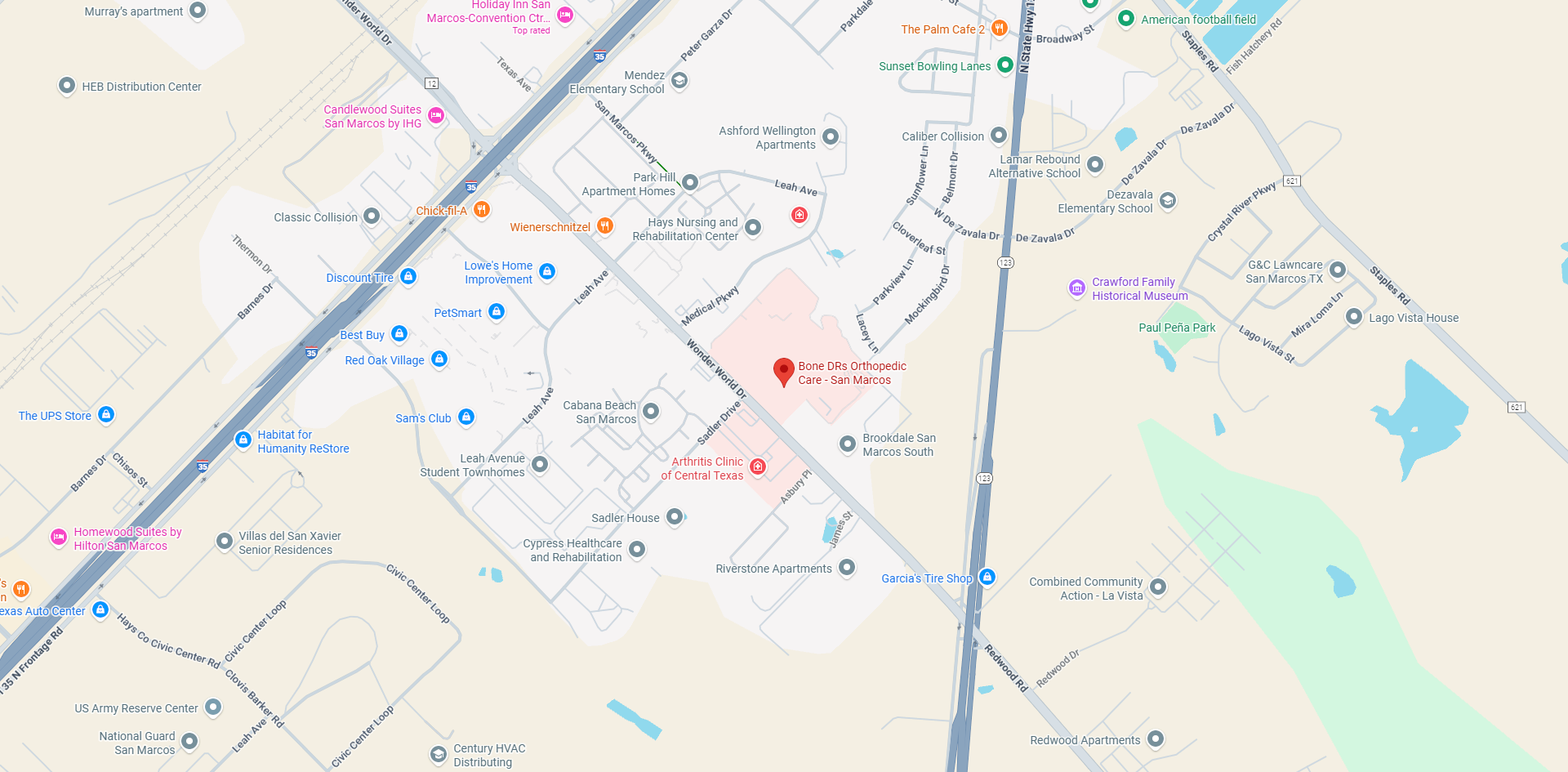
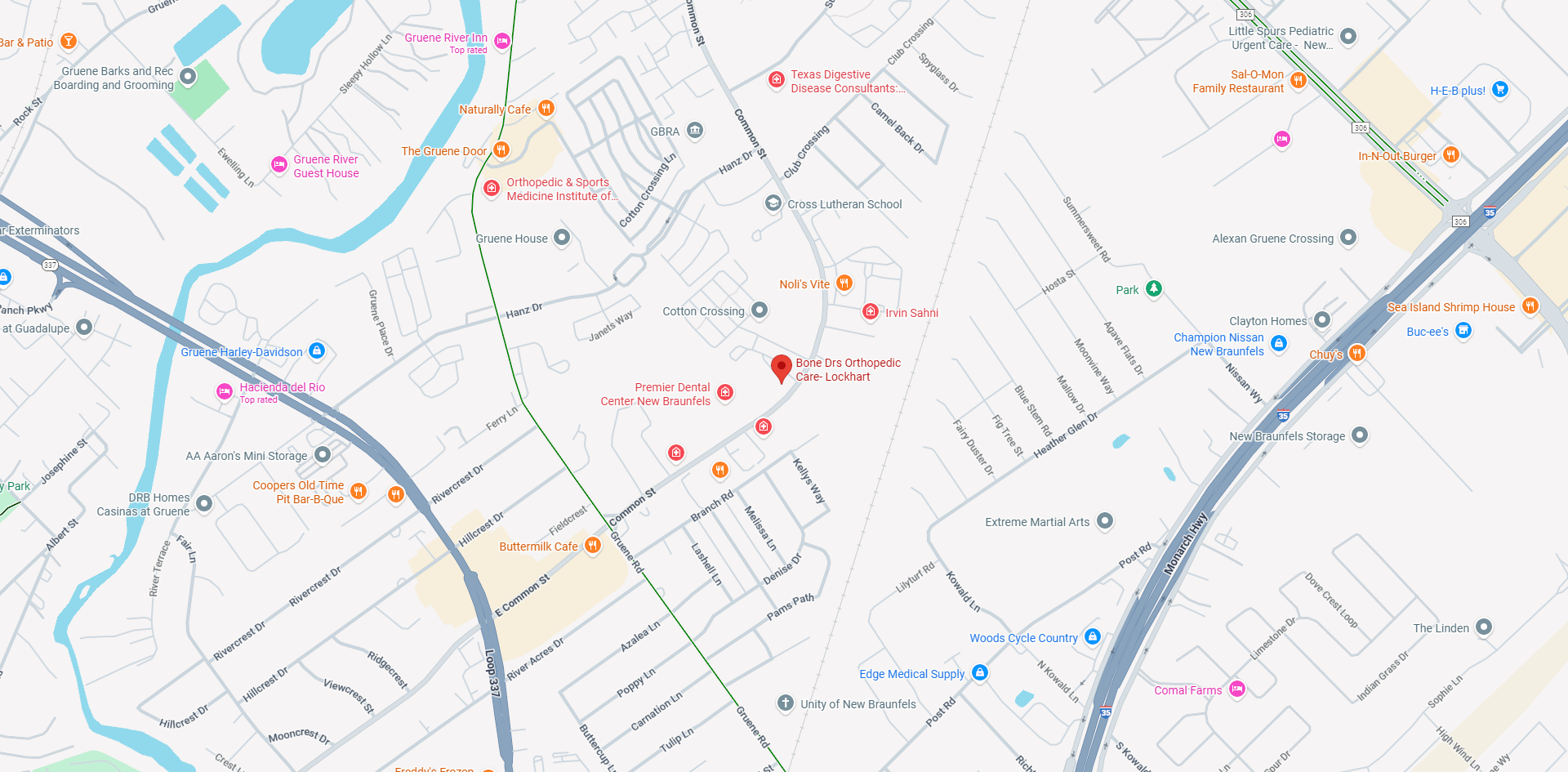
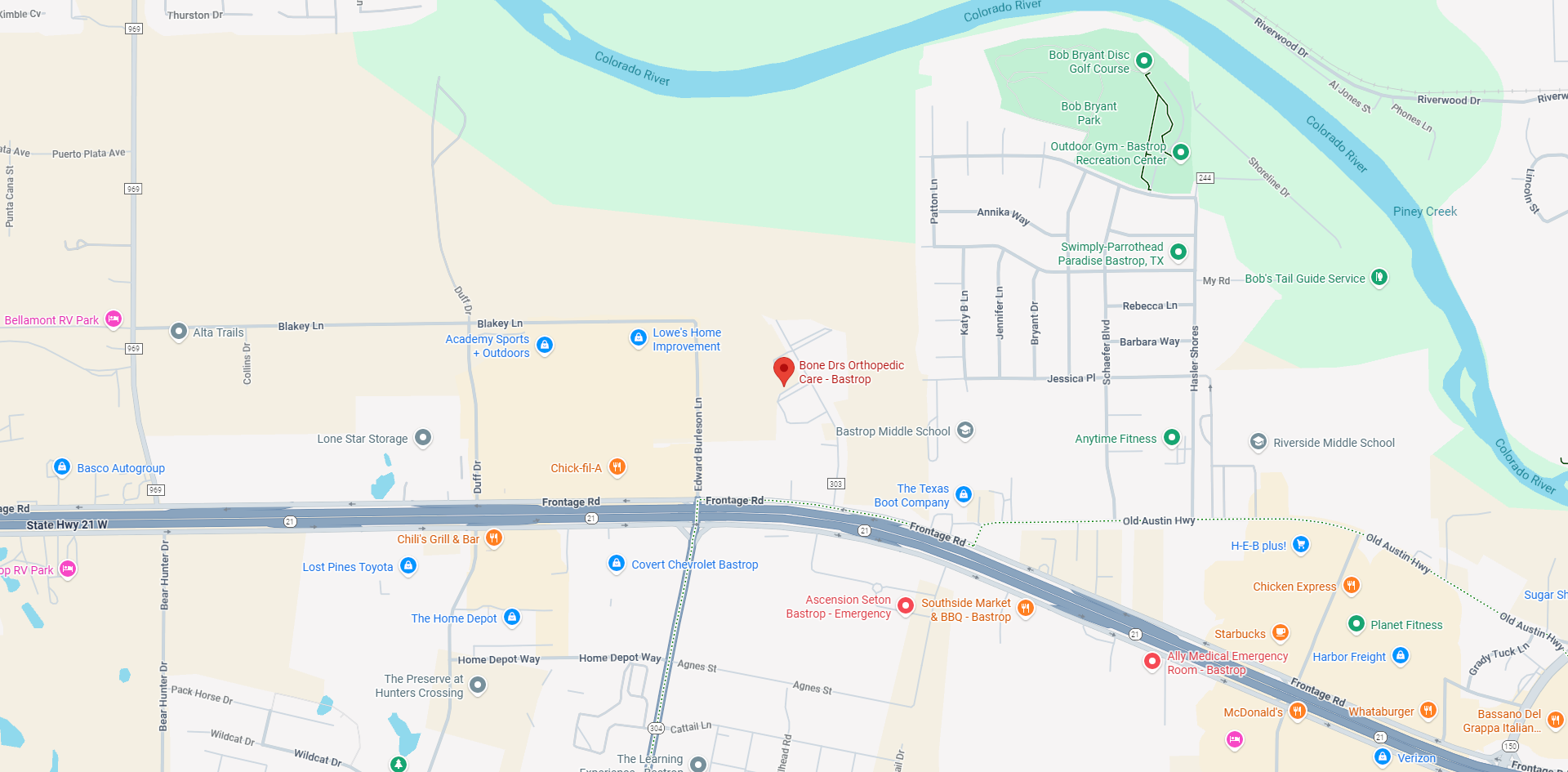
Patients across our Austin, San Marcos, Bastrop, Lockhart, and Round Rock locations have access to the same team and the same standard of care. If you cannot reach a regular appointment quickly, our orthopedic urgent care option in Austin is available for acute injuries.
Frequently asked questions
How long should I wait before seeing a doctor for elbow pain?
If pain is mild and you can still use the arm normally, two to three weeks of rest and home care is reasonable. If the pain is severe, follows an injury, or comes with numbness or weakness, do not wait. Get it evaluated right away.
Can tennis elbow heal on its own?
Sometimes, yes. Mild cases can resolve in a few weeks of rest and activity changes. More stubborn cases can take six months or longer to fully heal, and a small percentage need more advanced treatment to recover.
What kind of doctor should I see for elbow pain?
An orthopedic specialist is the right starting point for most persistent elbow pain, especially if there is any concern about a tendon, nerve, or joint structure. For sudden injuries with deformity or severe swelling, an orthopedic urgent care or emergency room is the faster path.
Will I need surgery?
Most patients do not. The majority of elbow conditions improve with rest, physical therapy, bracing, and sometimes injections. Surgery is considered when conservative care has not worked over several months or when imaging shows damage that needs structural repair.
Schedule a consultation at BoneDrs
If your elbow has been bothering you for more than a couple of weeks, or if any of the warning signs above sound familiar, the next step is a quick evaluation. Call 512-266-3377 to schedule with the closest BoneDrs location, or visit our orthopedic urgent care in Austin for acute injuries that cannot wait. The earlier we see it, the more options we have for getting you back to normal.
If you have any concerns about your joints, contact us and we can help determine a treatment that works for you.