It is too late for rotator cuff surgery when a torn tendon has pulled back so far, and the muscle behind it has weakened so much, that a repair is unlikely to heal. That point is not set by your age or by a date on the calendar. Some 75-year-olds heal a repair beautifully, and some 50-year-olds with a tear they ignored for years are no longer good candidates. What decides it is the condition of the tendon and muscle, which change over time.
If you have just been told you have a rotator cuff tear, or you have been living with one and wondering whether you waited too long, this article explains what your surgeon is weighing and what your options are on either side of that line. For the full picture of the operation and recovery, see our complete guide to rotator cuff repair surgery and recovery.
Quick facts
- Age is not a cutoff: In one study of 145 patients over 70 years old, about 89 out of 100 small repairs had healed at one year.
- Time matters more: The longer a full tear goes untreated, the more the tendon can pull back and the muscle can turn to fat.
- Tears often grow: Many full-thickness tears get bigger over a few years, even without a new injury.
- Retraction is the big risk: When a tendon has pulled back more than about 3 cm, the chance of it tearing again rises sharply.
- Sling time: Plan on roughly 4 to 6 weeks in a sling after a repair.
- There is a plan B: When a tear can no longer be repaired, a reverse shoulder replacement can restore lifting for many patients.
J. Michael Bennett, MD, is a Board Certified Orthopedic Surgeon at BoneDrs specializing in orthopedic sports medicine. BoneDrs evaluates rotator cuff tears with an exam and imaging, and offers treatment ranging from physical therapy and injections to arthroscopic repair and shoulder replacement.
Why waiting changes the answer
Your rotator cuff is four muscles whose tendons wrap the top of your arm bone and keep it centered in the shoulder socket. When a tendon tears all the way through, it can start to slide back toward the muscle, the way a rubber band snaps back when cut. Your surgeon calls this retraction. The further it retracts, the harder it is to pull it back to the bone without too much tension.
At the same time, a muscle that is no longer attached to anything stops working. Over months to years, it shrinks and gets replaced by fat. Radiologists call this fatty infiltration, and you may see the phrase on your MRI report. Once a muscle has turned largely to fat, that change does not reverse, even if the tendon is sewn back on. The repair may hold, but the muscle behind it can no longer pull well.
The four things your surgeon checks
- Tear size. Patients are often told their tear is small, medium, large or massive. Bigger tears are harder to heal.
- How far the tendon has pulled back. Retraction beyond about 3 cm is the strongest single warning sign for a retear.
- Muscle quality. How much of the muscle has turned to fat on MRI.
- You. Age, smoking, diabetes and bone strength all affect healing. Patients over 70 have roughly twice the risk of a retear as younger patients, but they also tend to be very happy with the result when the repair is the right call.
So is it too late for you?
| Your situation | What it usually means | Typical next step |
|---|---|---|
| Recent tear from a fall or lift, with sudden weakness | Best window for repair is usually the first several weeks | Prompt MRI and surgical consult |
| Older tear, tendon still reaches bone, muscle looks healthy | Not too late | Repair is a strong option |
| Large tear with moderate muscle change | Borderline | Repair, sometimes with a tissue graft to reinforce it |
| Massive tear, tendon will not reach, muscle mostly fat | Too late for a standard repair | Therapy, other procedures, or reverse shoulder replacement |
| Gradual wear tear with mild symptoms | Often no rush | Physical therapy first, with follow-up imaging |
A tear from a specific injury, like catching yourself in a fall, is different from a tear that wore through slowly. Injury tears in active people are usually repaired soon, because the tendon and muscle are healthy and the clock is ticking. Slow wear tears often respond well to therapy and injections, and many people never need surgery. The catch is that these tears can quietly grow, so "wait and see" should include actually seeing: a follow-up visit and, if symptoms change, repeat imaging.
If you are not sure which group you are in, a visit is the fastest way to find out. You can book an appointment online.
If repair is no longer an option
"Too late to repair" does not mean "too late to help." Physical therapy can train the remaining muscles to compensate, and many people get back to comfortable everyday use. Ultrasound-guided shoulder injections can quiet pain. For shoulders that have lost the ability to lift the arm, or have developed arthritis from a long-standing tear, a reverse shoulder replacement changes the mechanics so the big deltoid muscle can do the lifting the rotator cuff no longer can. It is a reliable option for the right patient, typically over 65.
What life is actually like after a repair
Sleeping
This is one of the most common complaints after a repair. Lying flat pulls on the repair, so most people sleep propped up in a recliner or on a wedge of pillows for the first 4 to 6 weeks. Sleeping in the sling is usually required early on.
Driving
You should not drive while in the sling or on narcotic pain medicine. Most people are back behind the wheel around 6 weeks, once the sling is off and they can turn the wheel comfortably.
Going back to work
One-handed desk work can often resume within 1 to 2 weeks. Jobs that need two hands but little lifting usually take 6 to 8 weeks. Overhead or heavy lifting work commonly takes 4 to 6 months.
What comes back
Most patients regain enough motion and strength for daily life, golf, swimming and lifting grandchildren, though full strength can take 6 to 12 months. Button-front shirts make the first few weeks much easier.
Frequently asked questions
Am I too old for rotator cuff surgery?
Not necessarily. In studies of patients over 70, most small and medium repairs healed, and function improved about as much as in patients under 50. Your tendon and muscle quality matter more than your age.
Is rotator cuff surgery worth it?
For a repairable tear that is limiting you, usually yes. Most patients report much less pain and better strength within 6 to 12 months. It is less likely to be worth it if the tendon has retracted far and the muscle has turned largely to fat.
How long can you wait to repair a torn rotator cuff?
For a sudden injury tear, most surgeons prefer to repair within the first few weeks to a few months. For slow wear tears, there is often time to try therapy first, as long as you are rechecked for signs the tear is growing.
What happens if a rotator cuff tear is not repaired?
Some people do well with therapy for years. In others, the tear grows, weakness worsens, and arthritis can develop over time, which may eventually lead to a reverse shoulder replacement.
Schedule a consultation at BoneDrs
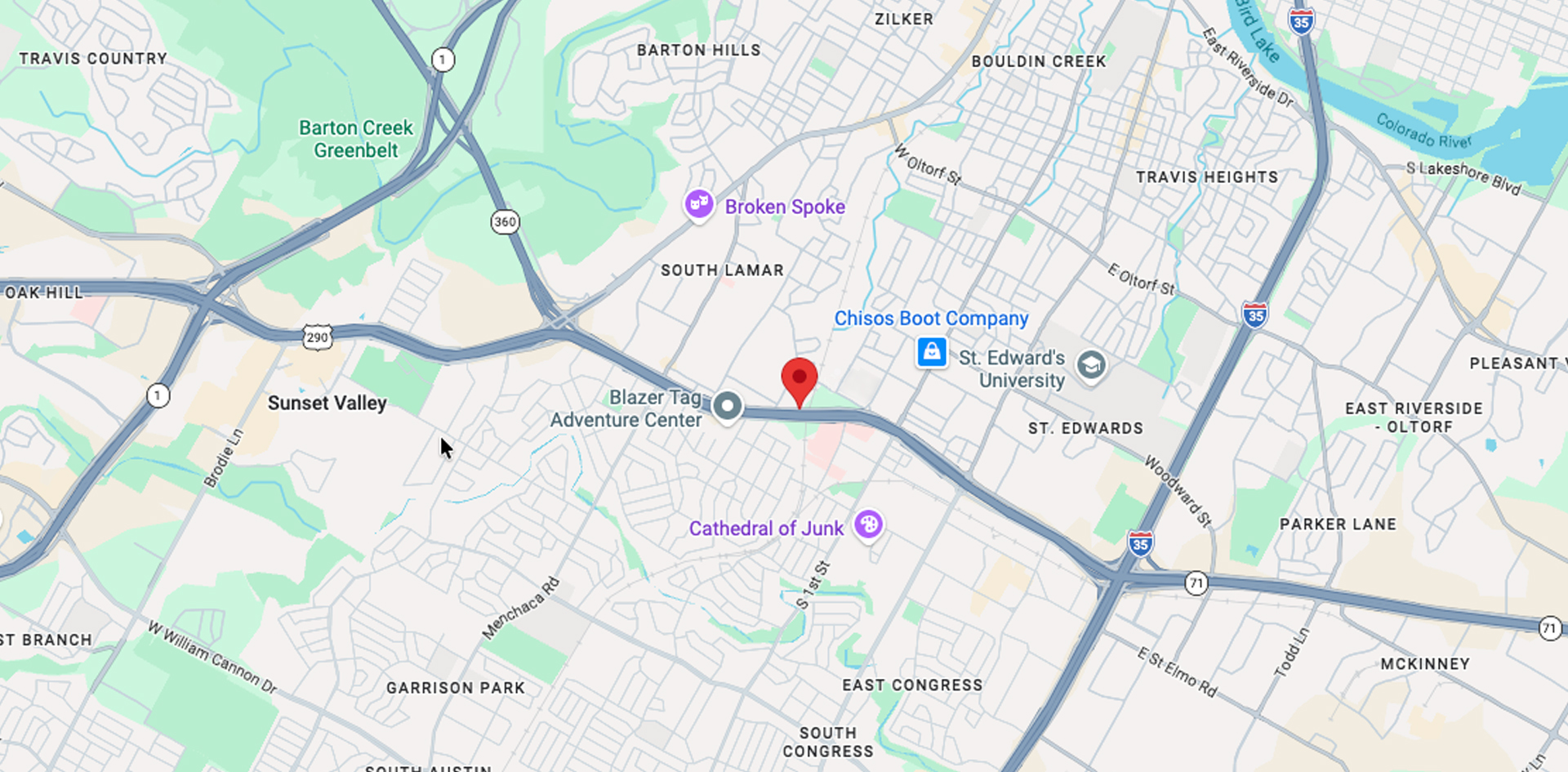
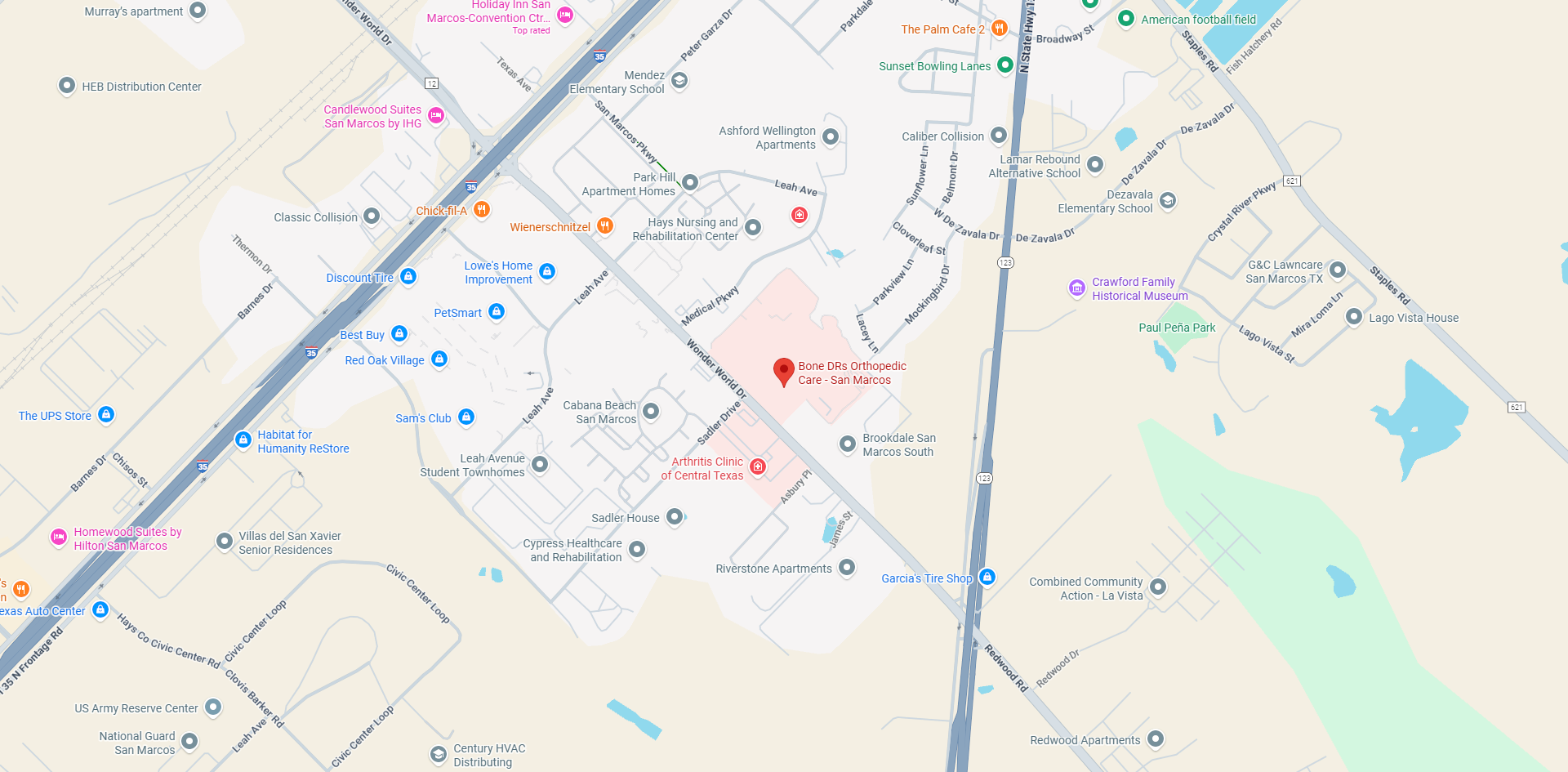
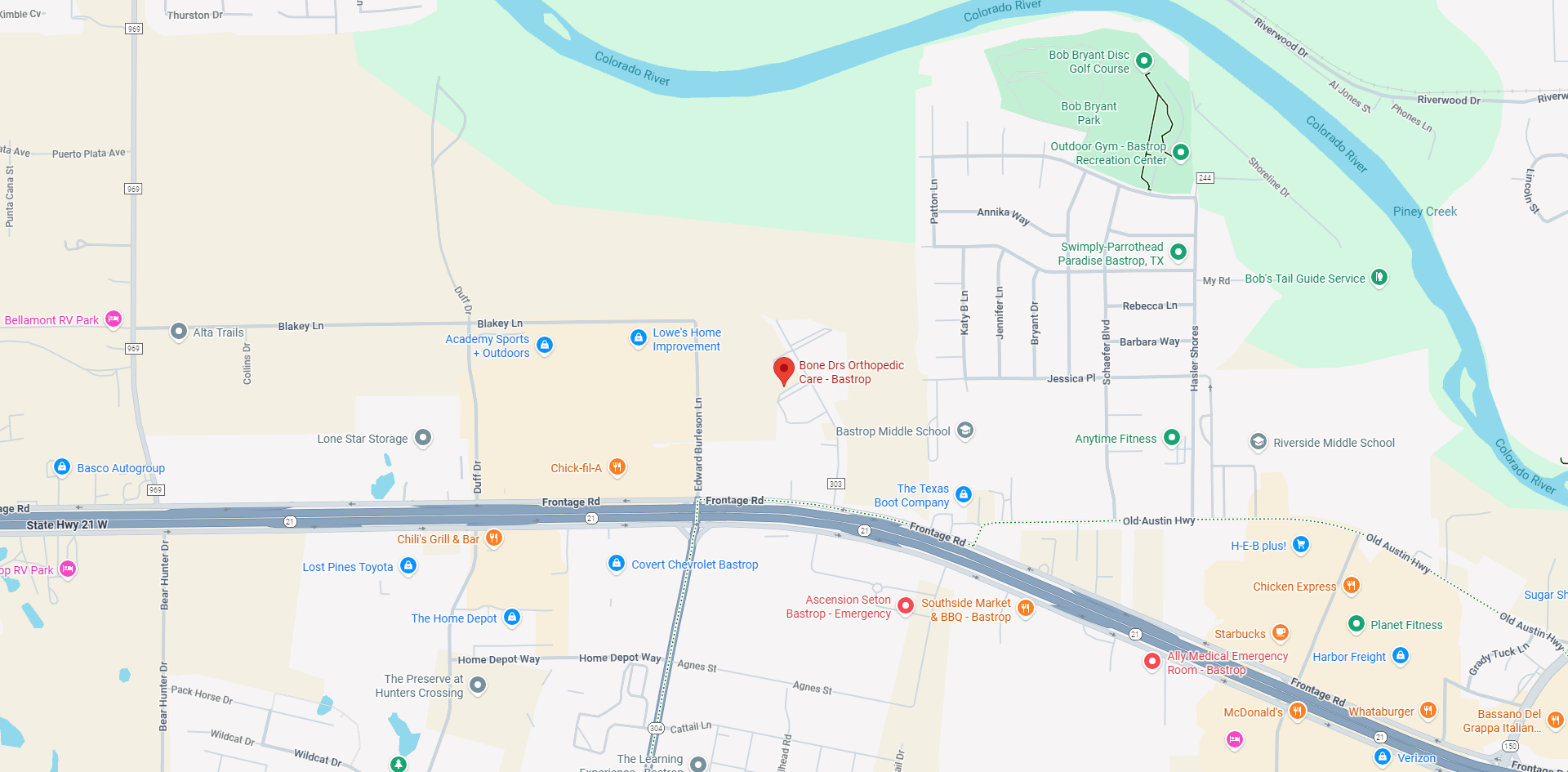
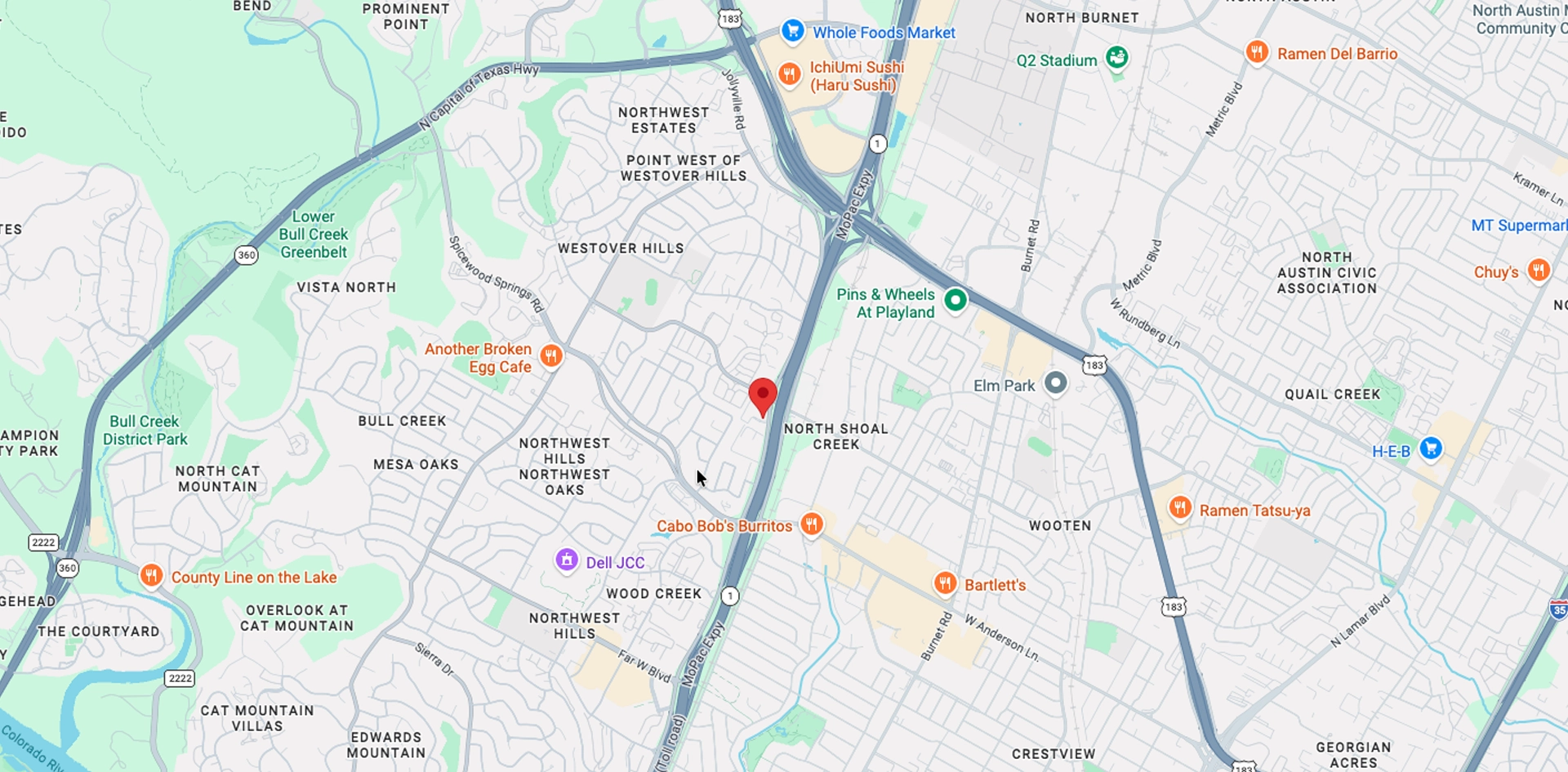
The longer a full rotator cuff tear sits, the fewer options it leaves, so the most useful step is finding out where your shoulder stands now. The BoneDrs shoulder team sees patients in Austin, San Marcos and Bastrop, and offers everything from therapy and injections to arthroscopic repair and shoulder replacement. Learn more about our shoulder care, book an appointment online, or call 512-266-3377.
Sources
- Moraiti C, et al. Comparison of functional gains after arthroscopic rotator cuff repair in patients over 70 years of age versus patients under 50 years of age. Arthroscopy, 2015. doi:10.1016/j.arthro.2014.08.020
- Rashid MS, et al. Increasing age and tear size reduce rotator cuff repair healing rate at 1 year. Acta Orthopaedica, 2017. doi:10.1080/17453674.2017.1370844
- Arthroscopic repair of the rotator cuff: prospective study of tendon healing after 70 years of age in 145 patients. Orthopaedics & Traumatology: Surgery & Research, 2013. doi:10.1016/j.otsr.2013.10.007
- American Academy of Orthopaedic Surgeons, OrthoInfo. Rotator Cuff Tears.
If you have any concerns about your joints, contact us and we can help determine a treatment that works for you.