
You planted your foot to change direction, felt a pop in your knee, and now it feels loose or swollen. It is a scary moment, and the first thing most people want to know is whether they just tore something serious. This guide walks you through what an ACL tear actually feels like, how to tell it apart from a less serious knee injury, and when it is time to see an orthopedic specialist here in Central Texas.
What is the ACL and why it matters
The anterior cruciate ligament, or ACL, is one of four main ligaments that hold your knee together. It runs diagonally through the middle of the joint and keeps your shinbone from sliding too far forward. It also gives your knee its rotational stability, which is exactly what you rely on when you pivot, cut, or land from a jump.
An ACL tear is one of the most common knee injuries. According to the American Academy of Orthopaedic Surgeons, ACL injuries affect more than 200,000 people in the United States every year and account for over half of all knee injuries. So if this is happening to you, you are far from alone.
What an ACL tear actually feels like
Most people describe a distinct set of sensations, often in a specific order. Here are the signs to watch for:
- A loud "pop" or a popping sensation in the knee at the moment of injury. This is one of the most telling signs of an ACL tear.
- A feeling that your knee gave out or buckled underneath you.
- Rapid swelling, usually within the first 24 hours.
- Pain, especially when you try to put weight on the leg.
- Loss of full range of motion, so the knee will not fully straighten or bend.
- Tenderness along the joint line and discomfort while walking.
One thing that surprises a lot of patients is that the swelling and pain can settle down on their own after a few days. That does not mean the ligament healed. A torn ACL does not grow back together. When people return to activity too soon, the knee often feels unstable again, and that instability can damage other structures inside the joint.
How bad is it? The three grades of an ACL tear
Orthopedic surgeons classify ACL injuries as sprains on a three-grade scale, based on how much the ligament is damaged.
Grade 1
The ligament is mildly stretched but still keeps the knee stable. The ACL is intact.
Grade 2
The ligament is stretched enough to become loose. This is often called a partial tear.
Grade 3
This is a complete tear. The ligament has split in two or pulled off the bone, and the knee is unstable. Most ACL injuries are complete or near-complete tears rather than partial ones.
Is it really the ACL, or something else?
The knee is a crowded joint, and a pop or a swollen knee does not automatically mean the ACL. A meniscus tear, an MCL sprain, or a kneecap problem can feel similar in the moment. What points more strongly toward the ACL is the combination of a popping sensation at the time of injury, swelling within 24 hours, and a sense that the knee is loose or unstable afterward.
Here is something worth knowing: about half of ACL tears happen alongside another injury inside the knee, most often a meniscus tear. In fact, an ACL tear that comes with a fracture or a meniscus tear is common enough that we wrote a separate piece on why an ACL tear often comes with a side of fracture. This is one of the main reasons a proper exam matters. What feels like a single injury is sometimes two or three at once, and treating only part of the problem leaves the knee vulnerable.
How ACL tears happen and who is most at risk
Most ACL tears are not caused by a direct hit. They happen when the knee is overwhelmed by a sudden force during movement, such as:
- Changing direction quickly or cutting
- Stopping suddenly or slowing down while running
- Landing awkwardly from a jump
- A direct collision, like a football tackle
These movements are common in soccer, basketball, football, and volleyball, which is why athletes see so many of these injuries. Research from the AAOS also shows that female athletes tear their ACL at rates two to eight times higher than male athletes, likely due to differences in anatomy, biomechanics, and muscle strength. Other risk factors include younger age, looser joints, and reduced lower-leg strength.
When to see a doctor
If you heard or felt a pop and your knee swelled up soon after, it is worth getting evaluated, even if the pain eases. You should see an orthopedic specialist promptly if:
- Your knee feels unstable or gives way when you walk or turn.
- You cannot fully straighten or bend the knee.
- The swelling is significant or came on fast.
- You cannot put weight on the leg without pain.
Getting checked early does two things. It confirms whether the ACL is actually torn, and it catches any meniscus or cartilage damage that came with it. If you need to be seen quickly, our orthopedic urgent care option in Austin can get you in without a long wait.
How an ACL tear is diagnosed
Diagnosis starts with a hands-on exam. Your physician will move the knee through specific tests and compare it to your uninjured side, which is often enough to identify an ACL tear. Imaging fills in the rest of the picture. An X-ray does not show the ligament itself, but it can reveal whether a piece of bone pulled away when the ACL tore, known as an avulsion fracture. An MRI gives the clearest view of the ligament and shows whether the meniscus or cartilage was injured too.
Treatment options at BoneDrs
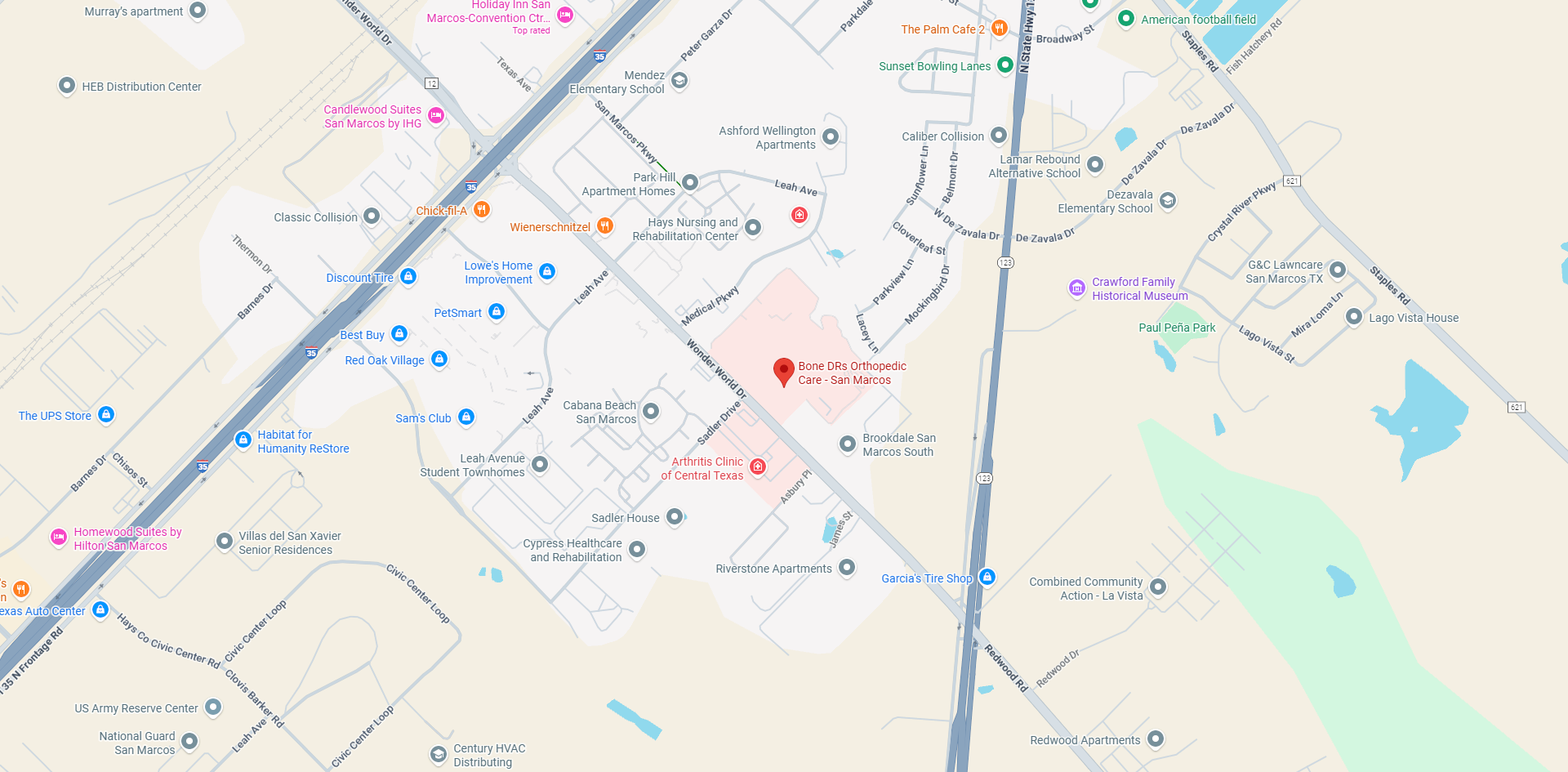
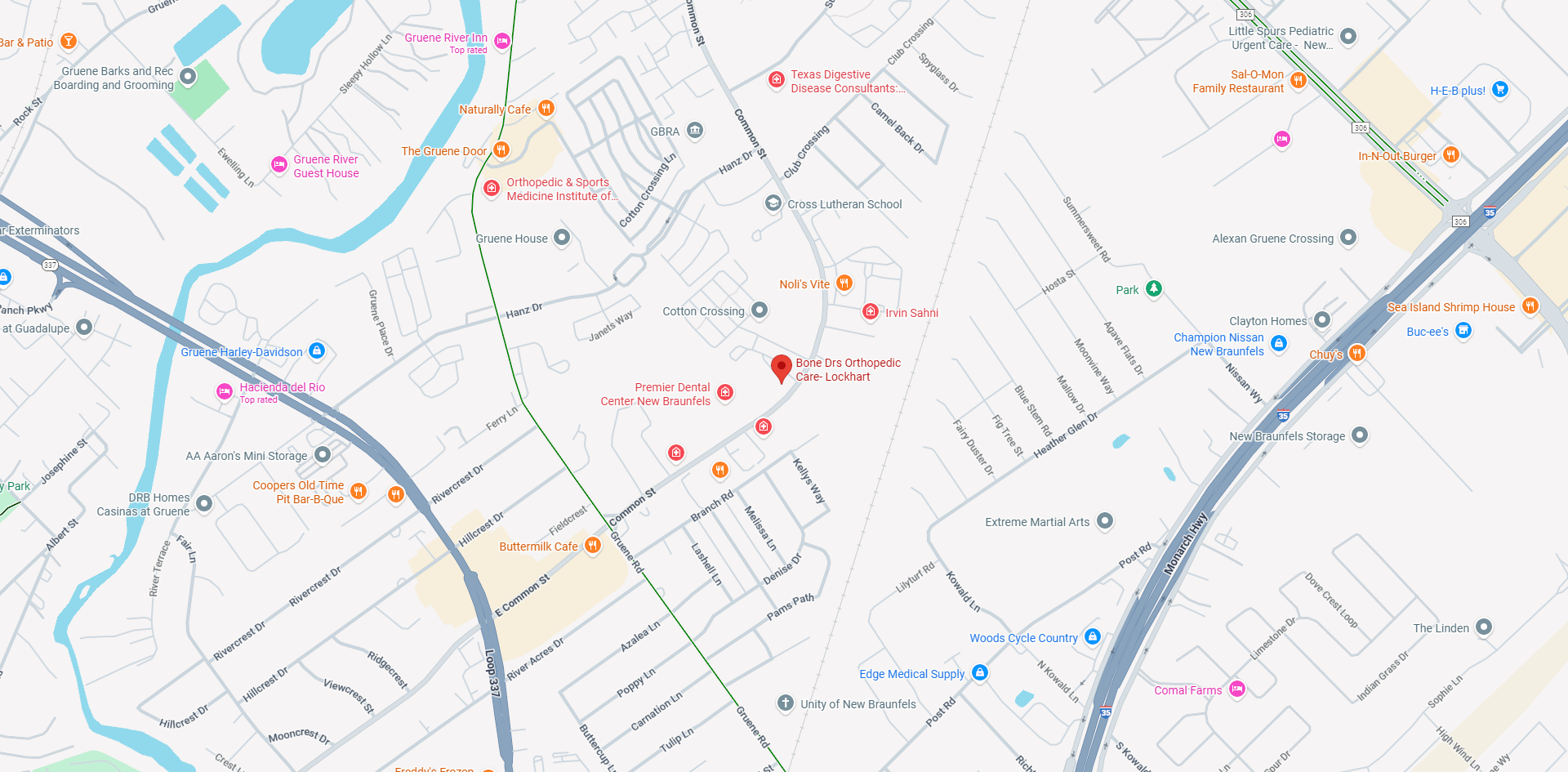
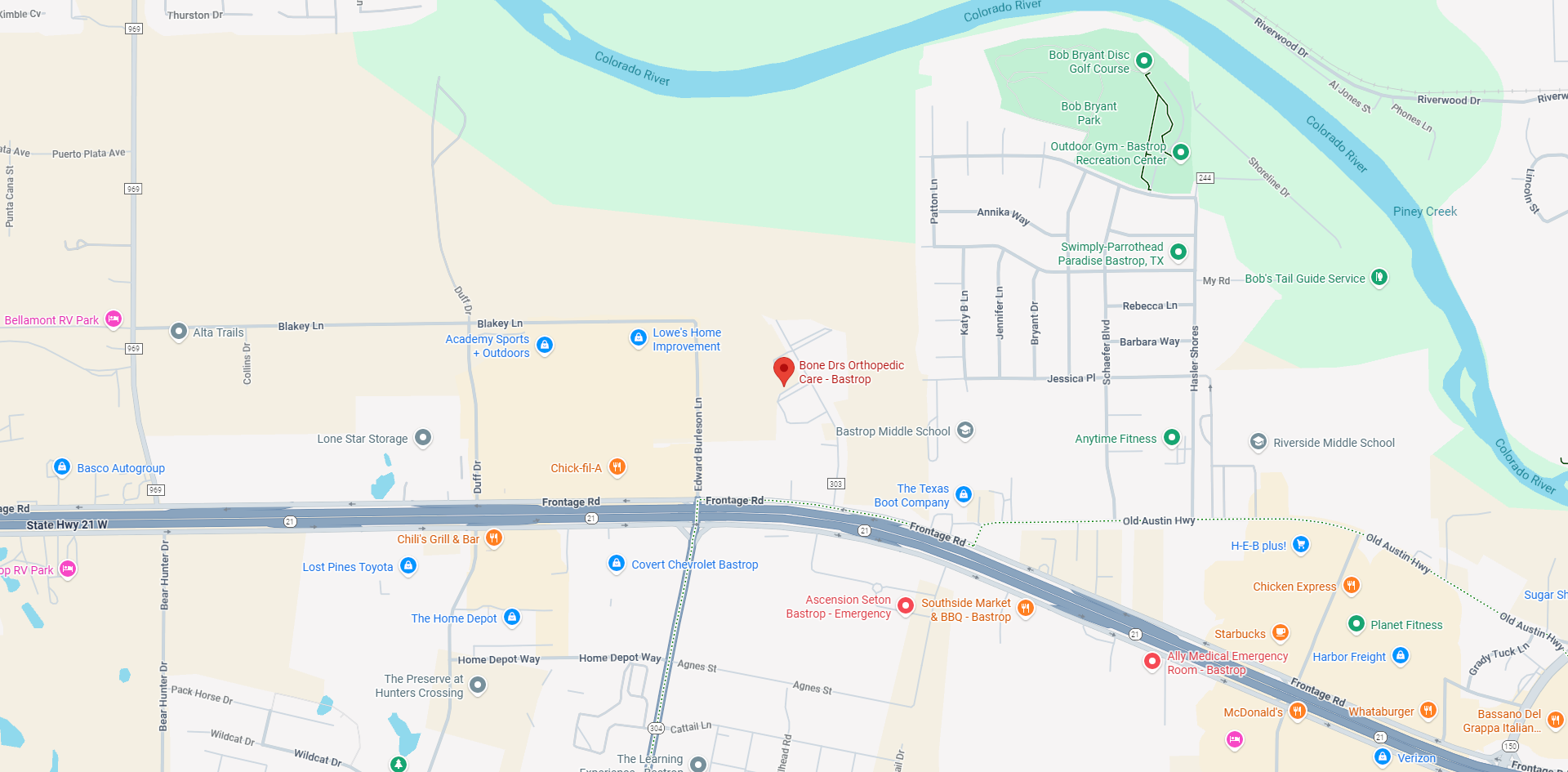
There is no single right answer for every ACL tear. The best treatment depends on your activity level, the severity of the tear, how unstable the knee feels, and whether other structures were injured. Our fellowship-trained sports medicine specialists, including Dr. Bennett and Dr. Rouhipour, treat ACL injuries across our Austin, San Marcos, Bastrop, and Round Rock locations.
Not every ACL tear needs surgery. Non-surgical care can be a good fit for partial tears without instability, and for people who do not play cutting or pivoting sports. This approach focuses on reducing inflammation and working with physical therapy to rebuild quadriceps strength and confidence in the knee. A brace may be recommended for added support. For an acute isolated ACL tear, the AAOS suggests about 12 weeks of non-operative treatment, and if surgery is appropriate, performing it within five months to protect the meniscus and cartilage.
When the knee is unstable, or the tear is combined with other injuries, ACL reconstruction is usually the recommended path. Because a torn ACL has a poor blood supply and rarely heals on its own, surgeons typically rebuild it using a tendon graft rather than stitching the old ligament back together. Your surgeon will walk you through which option fits your goals.
What recovery looks like
Recovery is a gradual, structured process, and physical therapy is the heart of it. After reconstruction, therapy begins right away with a focus on straightening the knee, controlling swelling, and rebuilding quadriceps strength. Over the following months, the work shifts toward full range of motion, strength, balance, and control of the leg.
Most patients return to full sports within 6 to 12 months, depending on their progress and how their knee is moving. Partial tears managed without surgery generally need at least three months of rehabilitation. The exact timeline is personal, and rushing it is one of the most common ways people end up with a second injury.
Frequently asked questions
Can you walk with a torn ACL?
Many people can walk after an ACL tear once the initial pain and swelling ease, but the knee often feels unstable and may give way during turns or on uneven ground. Walking on it does not heal the ligament, and continued instability can damage the meniscus or cartilage. An evaluation is the safest next step.
Does an ACL tear always require surgery?
No. Surgery depends on your activity level, how unstable the knee feels, and whether other structures were injured. Partial tears without instability, and complete tears in people who do not play pivoting sports, can sometimes be managed with physical therapy. Active patients and those with combined injuries are more likely to be candidates for reconstruction.
How long after an ACL tear should I see a doctor?
Sooner is better. Getting evaluated within the first days to weeks confirms the diagnosis and catches any meniscus or cartilage damage while it is most treatable. For acute isolated tears, guidelines support beginning non-operative treatment early and, when surgery is needed, performing it within about five months.
What is the difference between an ACL sprain and a tear?
They describe the same type of injury at different severities. A Grade 1 sprain is a mildly stretched but intact ligament, a Grade 2 is a partial tear, and a Grade 3 is a complete tear. The words "sprain" and "tear" both refer to ligament injury graded by how much damage occurred.
Schedule a consultation at BoneDrs
If your knee popped, swelled, or feels like it might give out, do not wait it out and hope. Call BoneDrs Orthopedic Care at 512-266-3377 to be seen at any of our Central Texas locations in Austin, San Marcos, Bastrop, or Round Rock. The sooner we know what is going on inside your knee, the sooner you can get back to moving with confidence.
If you have any concerns about your joints, contact us and we can help determine a treatment that works for you.