
You hear both terms used constantly, but they mean different things and often need different care. If you've just hurt yourself and aren't sure which one you're dealing with, here's what you need to know to take the right next step.
The Key Difference: What Gets Injured
A sprain is an injury to a ligament. Ligaments are strong, fibrous bands that connect one bone to another and hold your joints together. Sprains happen when a joint is forced beyond its normal range of motion, stretching or tearing those connective bands.
A strain is an injury to a muscle or tendon. Tendons are the cords that attach your muscles to bone. Strains happen when a muscle is overstretched or overloaded, causing the fibers to pull or tear.
The simplest way to keep them straight: a sprain involves a ligament (bone to bone), and a strain involves a muscle or tendon (muscle to bone). Both are painful, and both deserve proper care.
Where Do Sprains and Strains Happen?
Sprains most commonly affect the ankles (the most frequently sprained joint in the body), knees, and wrists. Strains most commonly affect the hamstrings and calves, the lower back, and the elbows and forearms, particularly in athletes who throw, swing, or grip repeatedly.
Both can happen to anyone, not just athletes. Rolling your ankle stepping off a curb is a sprain. Throwing out your back lifting a box is usually a strain. The injury itself does not care whether you are a weekend runner or someone who has not exercised in years.
How Serious Is It? Understanding the Grades
Both sprains and strains are graded 1 through 3 based on how much tissue damage occurred. Knowing the grade helps set realistic expectations for recovery time and treatment.
Sprain Grades
Grade 1 (mild): The ligament is stretched but not torn. Expect some pain and minor swelling, but the joint is still stable. Most Grade 1 sprains resolve within one to two weeks with rest and ice.
Grade 2 (moderate): The ligament is partially torn. There is more pronounced pain and swelling, and the joint may feel slightly loose or unstable. These typically take several weeks to heal and often benefit from bracing and physical therapy.
Grade 3 (severe): The ligament is completely ruptured. The joint is unstable, and bearing weight may be impossible. Severe sprains sometimes require surgery depending on which ligament tore and how much instability remains.
Strain Grades
Grade 1 (mild): A small number of muscle fibers are torn. You will feel pain and tightness, but the muscle retains its strength. These typically resolve in one to three weeks.
Grade 2 (moderate): More significant muscle tearing with noticeable weakness and pain during movement. Recovery can take several weeks to a few months.
Grade 3 (severe): A complete rupture of the muscle or tendon. This is the least common grade but may require surgery to repair, followed by an extended rehabilitation period.
Symptoms: Sprains vs. Strains
Sprains and strains can feel quite similar, which is a big part of why people confuse them. Both cause pain, swelling, and difficulty using the injured area. The location of your pain is often the first clue.
Sprain symptoms tend to cluster at the joint itself: pain at or around the joint, bruising and swelling at the joint line, a feeling of looseness or the joint giving way, and difficulty bearing weight or moving the joint through its full range of motion.
Strain symptoms tend to be felt in the fleshy part of the muscle rather than at the joint: a pulling or tearing sensation in the muscle belly, muscle spasms or cramping, swelling and tenderness away from the joint, and weakness when you try to use that muscle.
If the pain centers on the joint itself, think sprain. If it centers in the middle of a muscle, think strain. When you are not sure, an evaluation by an orthopedic provider can tell the difference quickly and rule out a fracture.
When to See a Doctor
Mild sprains and strains often respond well to home care in the first 24 to 48 hours. But some injuries need to be seen right away, and delaying care can lead to longer recovery, chronic instability, or re-injury down the line.
Seek an evaluation at BoneDrs if any of the following apply:
- The pain is severe, or you cannot put weight on the injured area
- You heard or felt a pop at the moment of injury
- The joint looks visibly deformed or out of place
- Swelling is significant and not improving after 48 hours of ice and elevation
- You have numbness or tingling in the injured area
- The injury is not improving after one to two weeks of rest
- This is a recurring injury to the same area
A Grade 3 sprain, such as a complete ACL tear, can feel similar to a fracture and should be evaluated the same day if possible. X-rays rule out broken bones, and an MRI shows the extent of ligament or muscle damage so your provider can plan the right treatment.
Treatment Options at BoneDrs
For mild to moderate sprains and strains, treatment begins with the RICE protocol recommended by the American Academy of Orthopaedic Surgeons for acute soft-tissue injuries:
- Rest: Stop the activity that caused the injury
- Ice: Apply cold packs for 20 minutes at a time, several times a day; do not apply ice directly to skin
- Compression: Use an elastic bandage to reduce swelling
- Elevation: Keep the injured area above heart level when resting
From there, a physical therapy referral helps restore strength, flexibility, and stability so you can return to activity safely without risking a repeat injury.
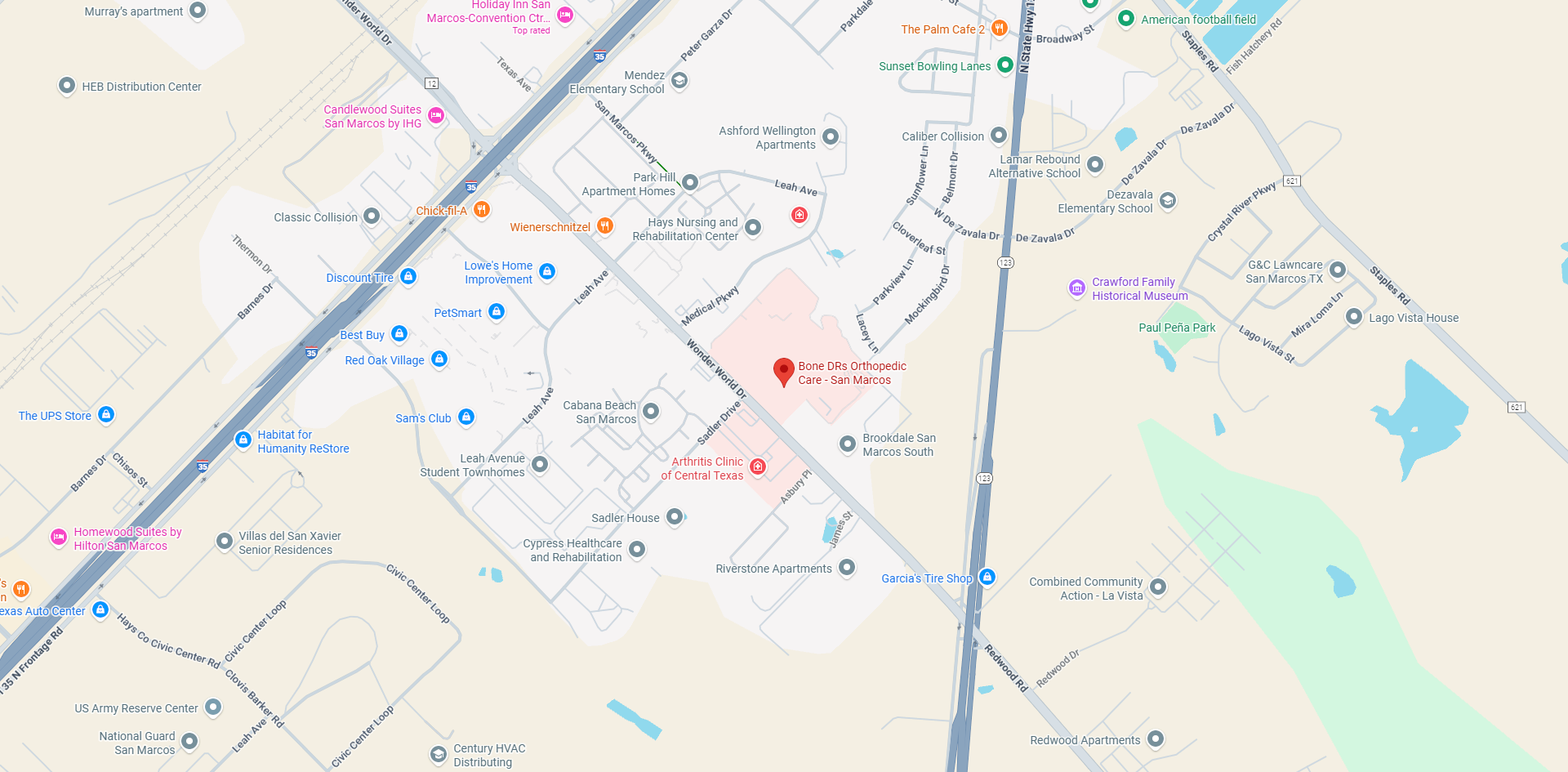
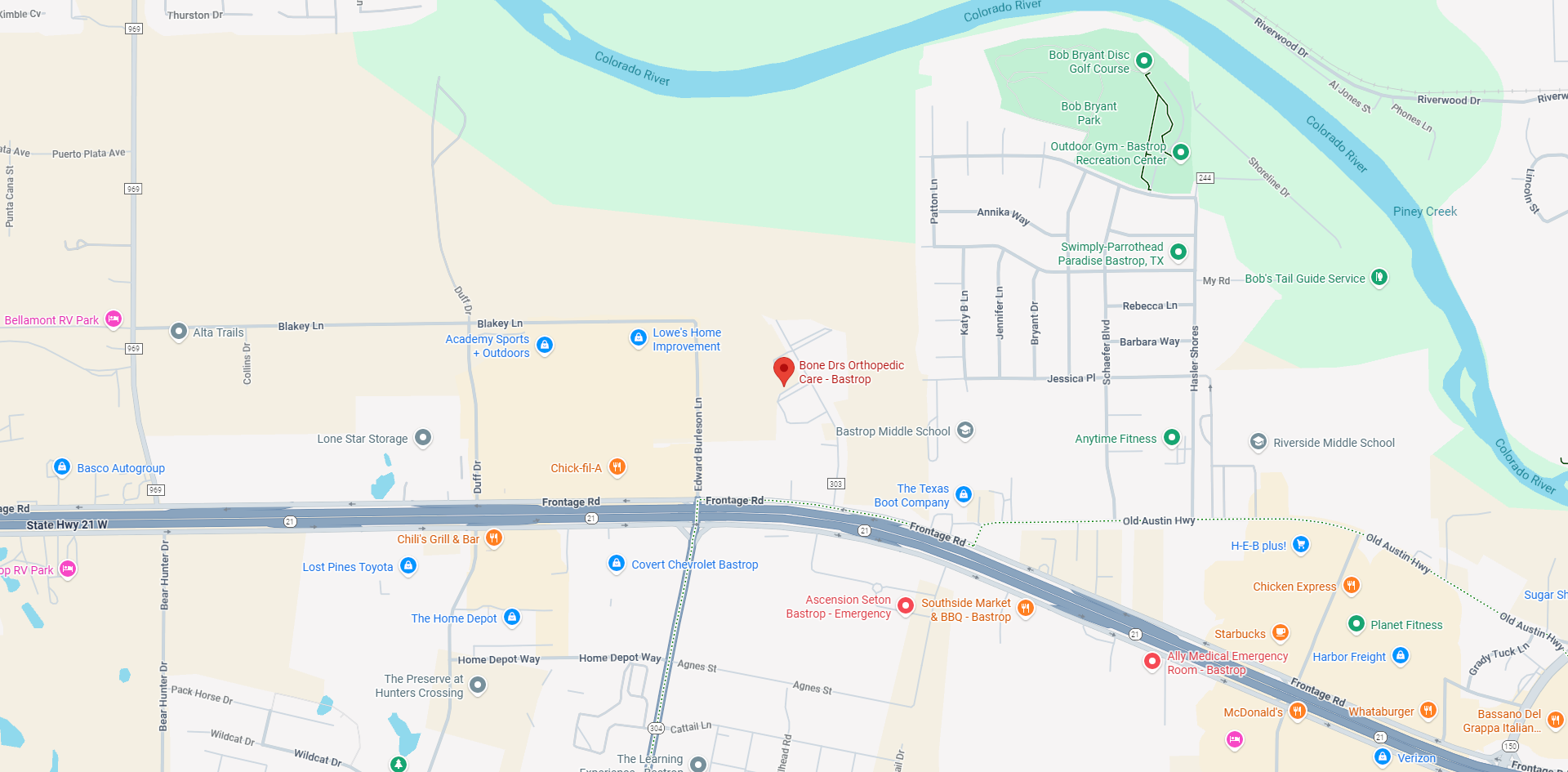
For moderate to severe injuries, the sports medicine team at BoneDrs evaluates each patient individually to determine whether bracing, immobilization, or surgical intervention is the right path. Dr. Rouhipour (trauma, fracture, and sports medicine) and Dr. Bennett (board-certified orthopedic surgeon specializing in shoulder and sports medicine) bring fellowship-level expertise to complex soft-tissue injuries across our Austin, San Marcos, and Bastrop locations.
Surgery is reserved for Grade 3 injuries where the ligament or tendon has completely ruptured and will not heal without repair, or where the joint remains unstable after conservative treatment has been given a fair chance.
Recovery: What to Expect
Recovery timelines vary by grade and by which tissue is injured. According to OrthoInfo, mild sprains typically heal within one to two weeks, while a complete ligament rupture can take several months, and longer still after surgical repair.
For muscle strains, a Grade 1 strain usually resolves in one to three weeks. A Grade 2 strain may take four to eight weeks. A Grade 3 strain requiring surgery carries a recovery timeline measured in months, not weeks.
One of the most common reasons these injuries drag on is returning to full activity before the tissue has finished healing. A partial tear that is stressed too soon can become a complete tear. Your BoneDrs provider will give you a realistic return-to-sport or return-to-activity timeline based on how your injury is actually progressing, not a generic estimate.
Frequently Asked Questions
Can you walk on a sprained ankle?
It depends on the grade. A Grade 1 sprain is usually walkable with some discomfort. A Grade 2 sprain makes walking painful, and a Grade 3 sprain often makes it impossible without significant pain. If you are not sure whether your ankle is sprained or fractured, get it looked at, as both can feel similar in the first few hours.
What is the fastest way to heal a sprain or strain?
Following the RICE protocol in the first 24 to 72 hours reduces swelling and sets the stage for faster recovery. After that, gentle, guided movement and physical therapy are more effective than complete immobilization. Rushing back to full activity before the tissue has healed is the most common reason these injuries take longer than expected.
Do I need an X-ray for a sprain?
An X-ray rules out a fracture, which can feel very similar to a severe sprain, especially in the ankle or wrist. An MRI gives a clearer picture of soft tissue damage such as partial or complete ligament tears. Your BoneDrs provider will determine which imaging is appropriate based on your specific symptoms and exam findings.
Schedule a Consultation at BoneDrs
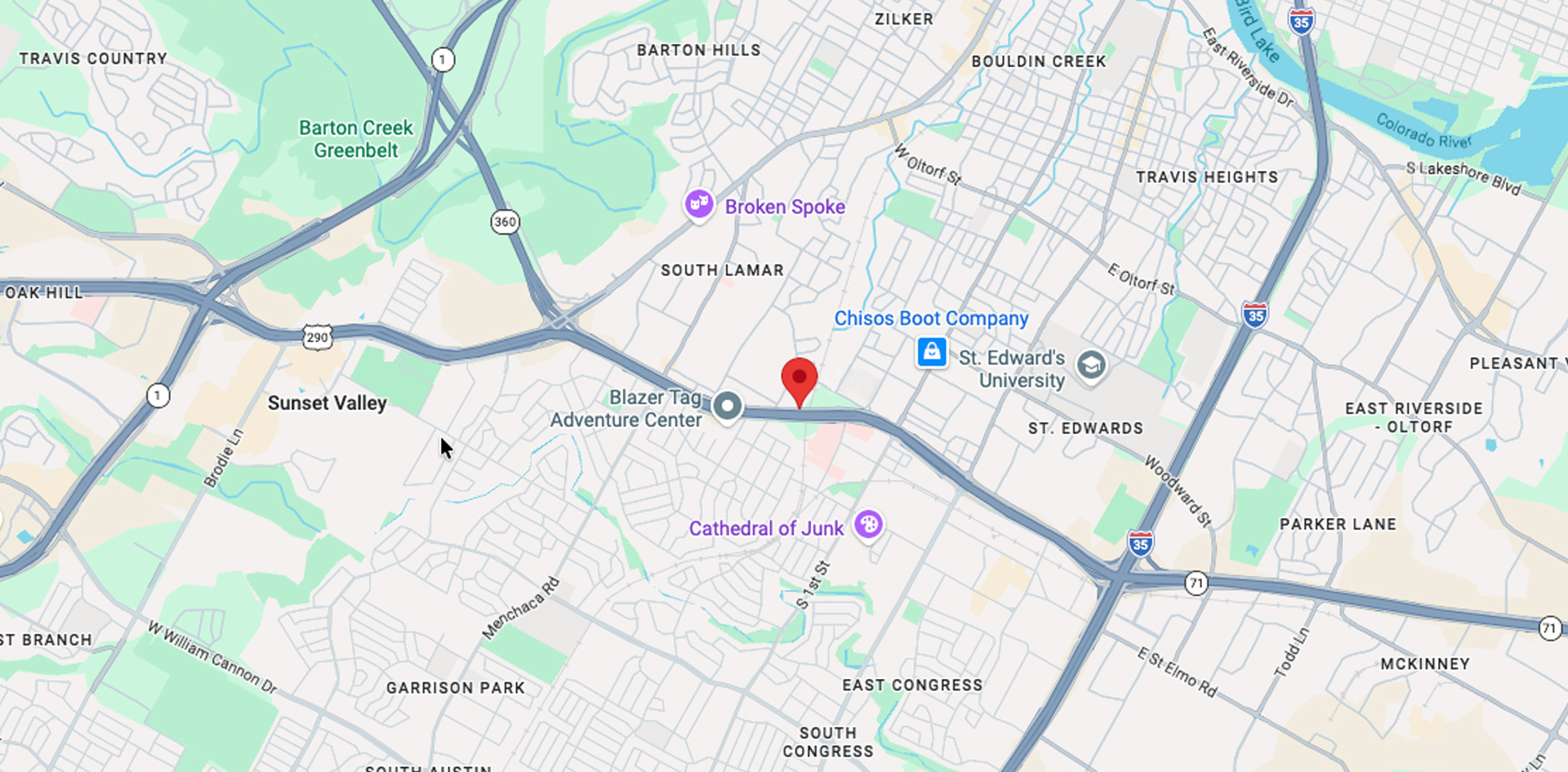
If your sprain or strain is not improving, or the injury was significant enough that you are not confident about the next step, the orthopedic and sports medicine team at BoneDrs is ready to help. Call us at 512-266-3377 or visit one of our locations in Austin, San Marcos, or Bastrop to get an accurate diagnosis and a clear path back to doing what you need to do.
If you have any concerns about your joints, contact us and we can help determine a treatment that works for you.