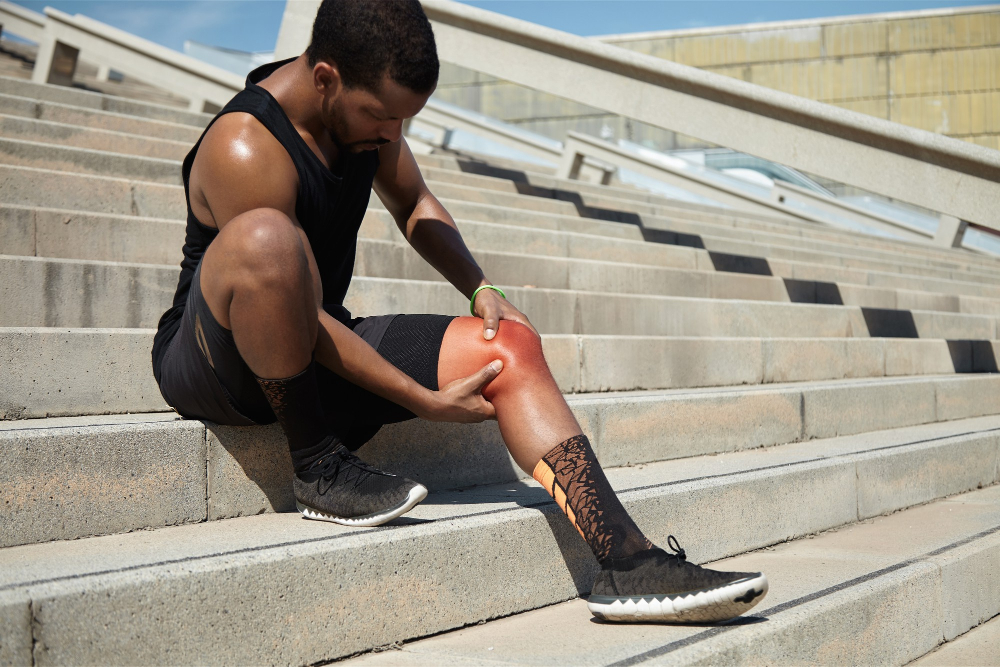
You planted your foot to change direction, landed awkwardly from a jump, or took a hard twist, and your knee buckled underneath you. Maybe you heard a pop. Within an hour the knee was swollen and unsteady, and now it does not feel like it can be trusted. That sudden giving-way is one of the clearest signs of a torn ACL, an injury to a key ligament inside the knee. This guide explains what an ACL tear is, what recovery looks like, and how to know when the injury needs surgery.
The ligament that steadies your knee
The ACL, short for anterior cruciate ligament, is one of four main ligaments that hold the knee together. It runs through the center of the joint, connecting the thigh bone to the shin bone, and its job is to keep the knee stable during sudden stops, pivots, and changes of direction. A torn ACL is a rupture of that ligament, either within the ligament itself or where it attaches to the bone. It happens when a force is applied to the knee that the ligament simply cannot absorb.
What an ACL tear feels like
Most people know something serious has happened the moment it does. Common signs include:
- A popping sound or sensation in the knee at the moment of injury
- The knee giving out or buckling, especially when you try to put weight on it or change direction
- Swelling that develops within a few hours
- Pain, and trouble bearing weight on the leg
- A lasting feeling of looseness or instability in the joint
An ACL tear often happens alongside damage to other parts of the knee, such as the meniscus or another ligament. That is one reason a proper evaluation matters, since the full picture of the injury shapes the treatment plan.
What causes an ACL tear
ACL tears usually come from quick, forceful movements that overload the knee. Common causes include sudden stops or sharp changes in direction, awkward or off-balance landings after a jump, and direct contact during sports. High-impact sports that involve cutting and pivoting, such as basketball, soccer, and skiing, account for many of these injuries. But an ACL tear is not only an athlete's injury. A slip, a fall, or an awkward step in everyday life can do it too.
When to see a doctor
A knee that gives out, swells quickly, or will not bear weight should be evaluated promptly. Getting a diagnosis early lowers the risk of further damage to the knee, because an unstable knee is vulnerable to additional injury with each episode of buckling. Even when surgery turns out not to be needed, early treatment helps protect the joint while it heals. If you have had a sudden knee injury and are not sure how serious it is, BoneDrs offers orthopedic urgent care in Austin so you can be seen quickly.
How an ACL tear is diagnosed
Diagnosis begins with a conversation about how the injury happened and a physical exam, where the specialist gently tests the knee for stability and range of motion. Imaging usually follows. An X-ray can rule out a related break in the bone, and an MRI shows the ligament itself along with the meniscus and cartilage, which helps identify whether more than one structure was injured.
Treatment options at BoneDrs
Treatment for an ACL tear depends on the severity of the injury, whether other parts of the knee were damaged, and your own goals, especially how active a life you want to return to.
Non-surgical treatment
Not every ACL tear requires surgery. Non-surgical management focuses on calming inflammation and then working with physical therapy to rebuild the strength of the muscles around the knee, particularly the quadriceps, along with confidence in the joint. This path can work well for partial tears without instability, and for people who do lighter work or are willing to step back from high-demand cutting and pivoting sports. A brace and activity changes often play a part.
Surgical treatment
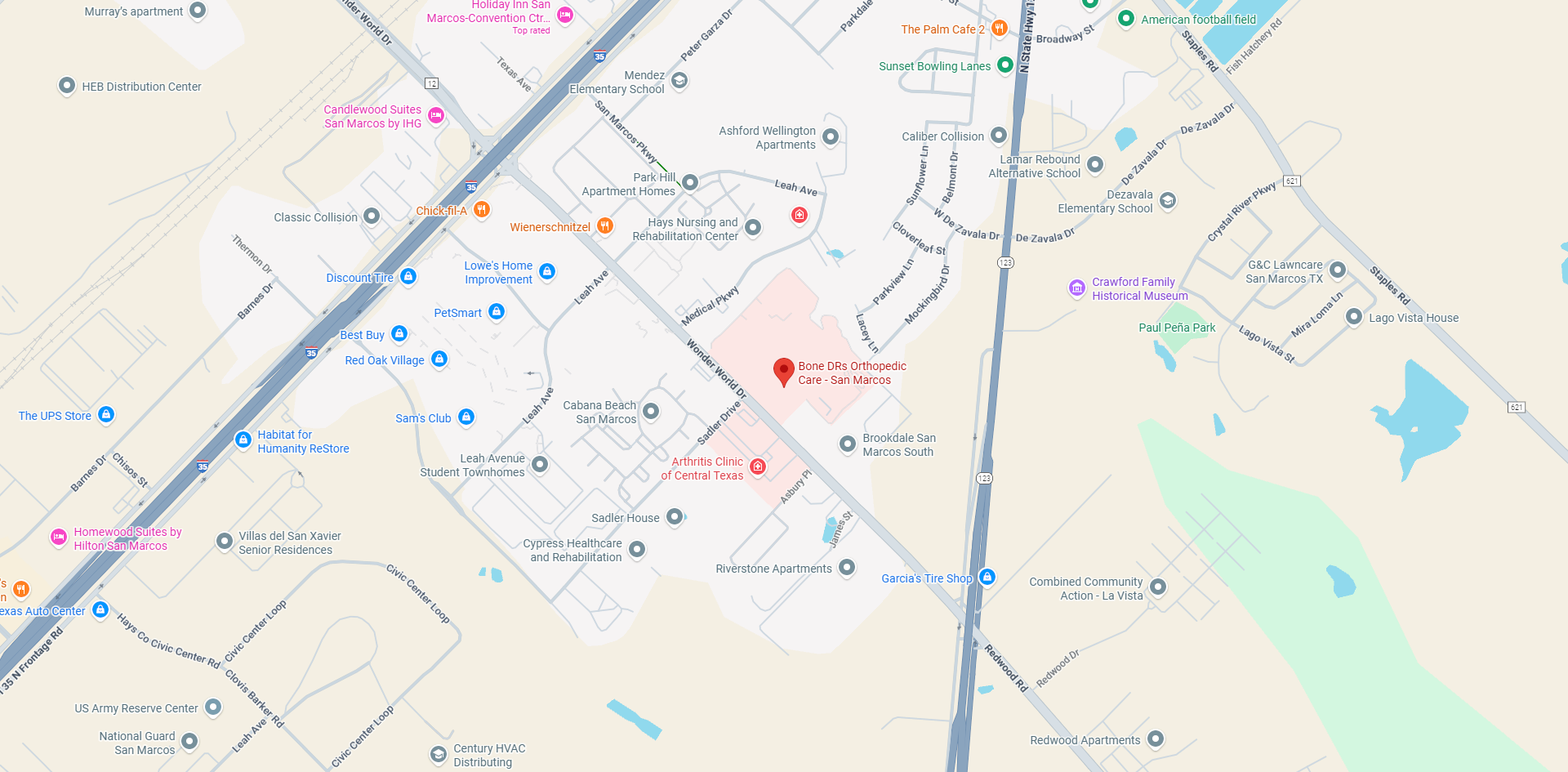
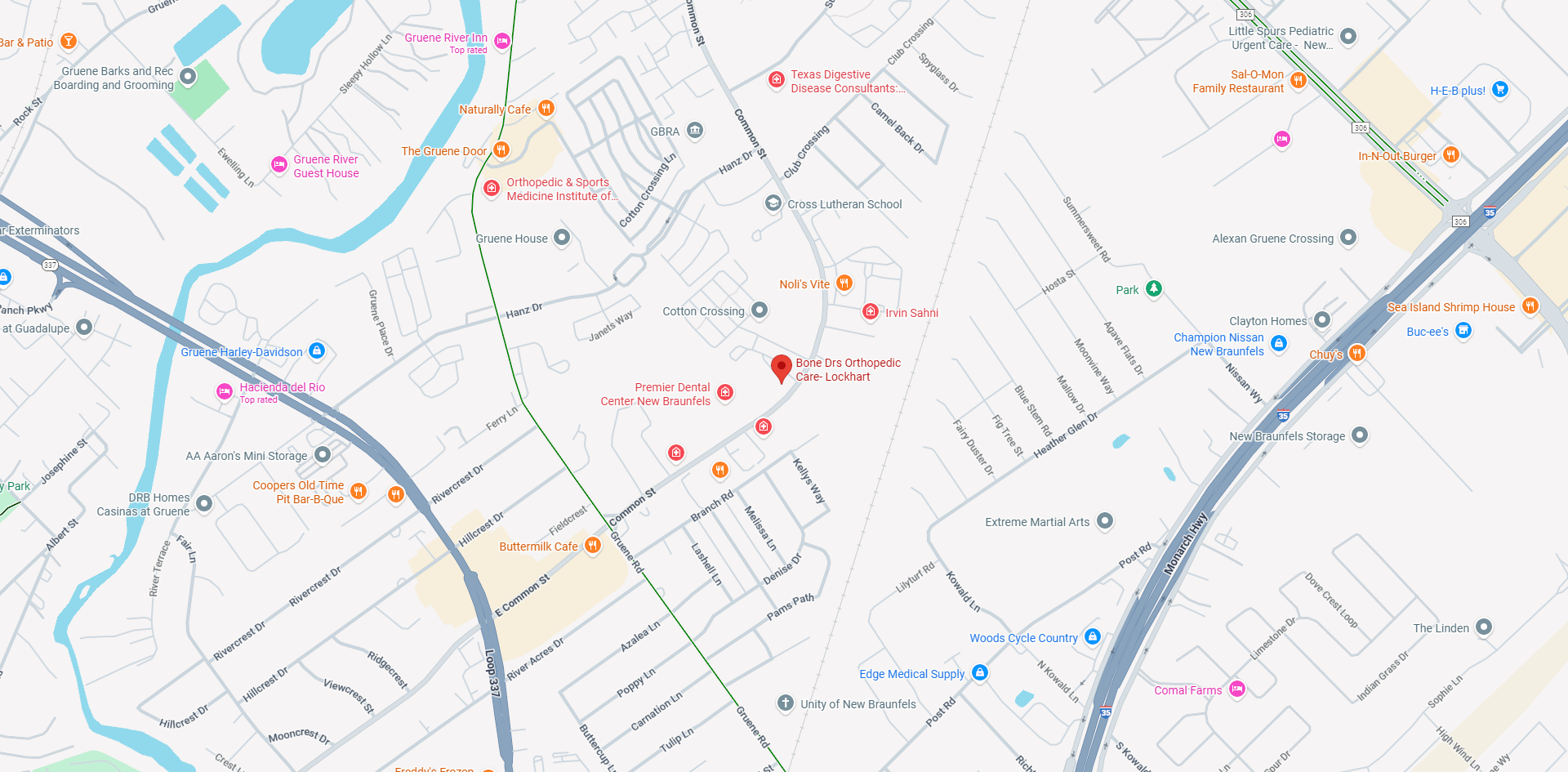
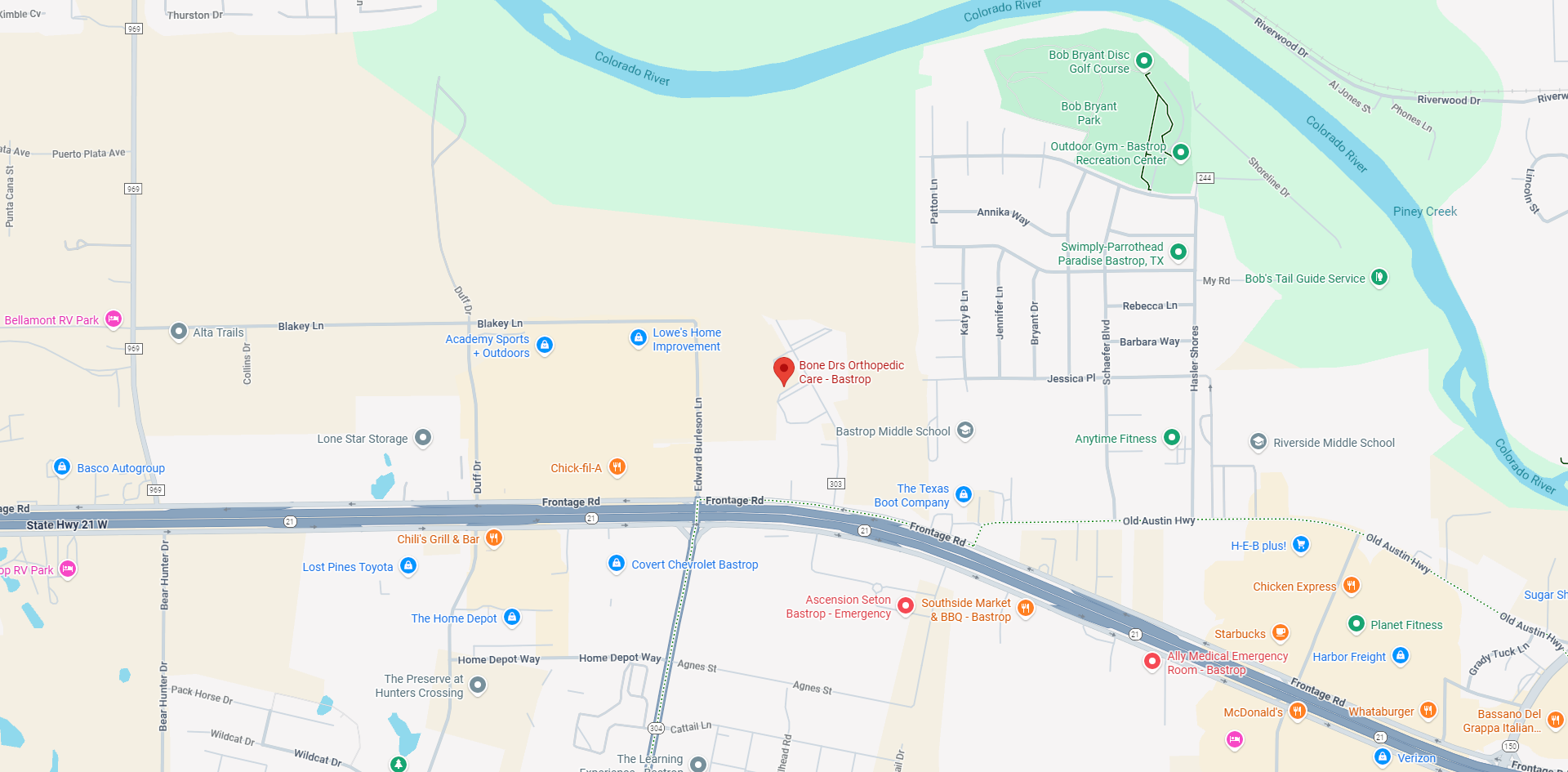
For a complete tear, an active patient, or an injury that involves other structures in the knee, surgery is often recommended. The most common procedure is ACL reconstruction, in which the torn ligament is rebuilt, typically through a minimally invasive technique called knee arthroscopy. At BoneDrs, Dr. Bennett specializes in shoulder and sports medicine and treats ACL injuries across our Austin, San Marcos, Bastrop, Lockhart, and Round Rock locations. Whether surgery is right for you is a decision best made together with an orthopedic specialist who can weigh your injury against your goals.
Recovery and healing time
An ACL tear cannot heal back together on its own, so recovery is built around either rebuilding strength to support the knee or rehabilitating after reconstruction. For a partial tear managed without surgery, the recovery and rehabilitation period usually lasts at least three months. After ACL reconstruction surgery, recovery is a longer and more gradual process, guided closely by physical therapy that restores motion, strength, and stability in stages before any return to sport.
Throughout recovery, physical therapy is the engine of progress. It rebuilds the muscles that protect the knee and steadily restores the confidence to move, pivot, and land without the joint giving way. A patient and complete course of rehabilitation gives the knee its best chance at a strong, lasting recovery.
Frequently asked questions
What does a torn ACL feel like?
Many people feel or hear a pop at the moment of injury, followed by the knee giving out and swelling within a few hours. A lasting sense of looseness or instability in the knee is also common.
Can an ACL tear heal without surgery?
A torn ACL cannot heal back together on its own. Some people, particularly those with partial tears or who are willing to step back from cutting and pivoting sports, do well with physical therapy and activity changes instead of surgery. Whether surgery is needed depends on the injury and your goals.
How long is recovery from an ACL tear?
Recovery from a partial tear managed without surgery usually lasts at least three months. Recovery after ACL reconstruction surgery is longer and progresses in stages, guided by physical therapy.
Schedule a consultation at BoneDrs
If your knee has given out or you are dealing with swelling and instability after an injury, the team at BoneDrs can evaluate the knee accurately and build a treatment plan suited to your injury and your goals. Call us at 512-266-3377 to schedule an appointment at any of our Central Texas locations in Austin, San Marcos, Bastrop, Lockhart, and Round Rock.
If you have any concerns about your joints, contact us and we can help determine a treatment that works for you.