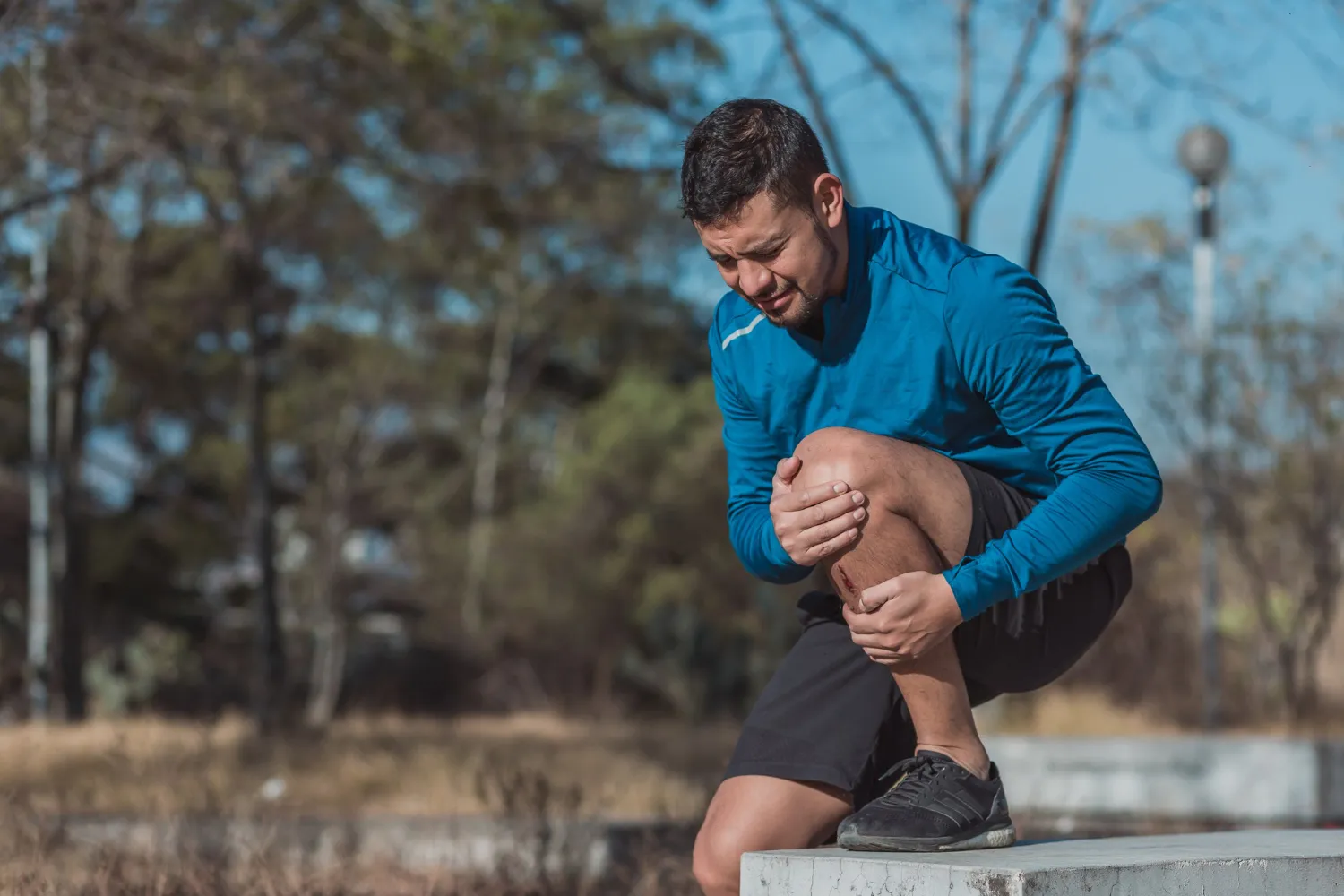
If you twisted your knee playing soccer, skiing, or even just stepping wrong off a curb, and now something feels off, you may be wondering if you tore your ACL. The fear is real, especially if you're an athlete or someone who depends on your knees for work or weekend games. The good news is that ACL tears are well-understood, recovery is predictable, and you don't have to navigate this alone. Here's what the injury actually is, how it's diagnosed, and what the path back to your sport or daily life looks like.
What the ACL is and why it matters
The anterior cruciate ligament (ACL) is one of four main ligaments inside your knee. It runs diagonally through the middle of the joint and keeps your shinbone from sliding forward in front of your thighbone. It also helps control rotation, which is why so many ACL tears happen when an athlete plants a foot and pivots quickly.
When the ACL tears, the knee loses one of its main stabilizers. That's why it can feel like the knee is giving out when you try to walk, change direction, or come down a flight of stairs.
Symptoms of an ACL tear
Most people who tear their ACL describe a few specific things they noticed in the moment of the injury, and in the days that follow.
Common signs include:
- A loud pop or popping sensation in the knee at the moment of injury
- Severe pain that makes it hard to continue the activity
- Swelling that develops quickly, usually within 24 hours
- A feeling of instability or the knee buckling under your weight
- Loss of full range of motion or trouble straightening the knee
According to the American Academy of Orthopaedic Surgeons, the audible pop and rapid swelling are two of the most reliable indicators. Not everyone hears a pop, though, and some tears feel less dramatic at first. If your knee feels unstable or doesn't bear weight the way it used to, that alone is reason enough to be checked.
How an ACL tear is diagnosed
Most ACL injuries can be identified through a thorough in-office exam. Your provider will compare the injured knee to the healthy one and check stability with specific movement tests like the Lachman test or the pivot shift.
Imaging fills in the rest of the picture. X-rays rule out a fracture, and an MRI shows the soft tissues clearly enough to confirm an ACL tear and spot any meniscus or cartilage damage that often happens at the same time. Mayo Clinic notes that MRI is the preferred imaging tool for soft tissue injuries, but it isn't always required to make the call.
When to see a doctor
If your knee swelled within hours of an injury, gave out under your weight, or hasn't returned to normal after a few days of rest and ice, it's time to be evaluated. Waiting too long can make the diagnosis harder and puts other structures in the knee at risk if you keep loading it.
For acute knee injuries that happen on a Friday night or over the weekend, BoneDrs offers orthopedic urgent care in Austin so you can be seen by a specialist without sitting in an ER waiting room or stalling until Monday.
Treatment options at BoneDrs
ACL treatment is not one-size-fits-all. The right path depends on your age, activity level, the severity of the tear, and whether other parts of the knee were also injured.
Non-surgical care. For partial tears or for patients whose lifestyle doesn't involve cutting, pivoting, or heavy sports, conservative treatment can work well. This usually means physical therapy to rebuild strength and stability, bracing, and a gradual return to activity. AAOS notes that nonsurgical management can be successful for the right patient.
ACL reconstruction. For active patients, athletes, and anyone with a complete tear plus instability, surgical reconstruction is usually recommended. The procedure replaces the torn ligament with a graft, often taken from your own hamstring or patellar tendon. It is typically performed arthroscopically through small incisions, which keeps recovery as direct as possible.
At BoneDrs, your care team is built around the injury you have. Dr. Michael Bennett is a board-certified orthopedic surgeon fellowship-trained in shoulder and sports medicine. Dr. Varqa Rouhipour focuses on trauma, fractures, and sports medicine, which makes him a frequent first stop for athletes with acute knee injuries. Dr. Christopher Jimenez, the practice's founder, leads the joint replacement team and partners with the sports medicine providers when an injury affects long-term joint health.
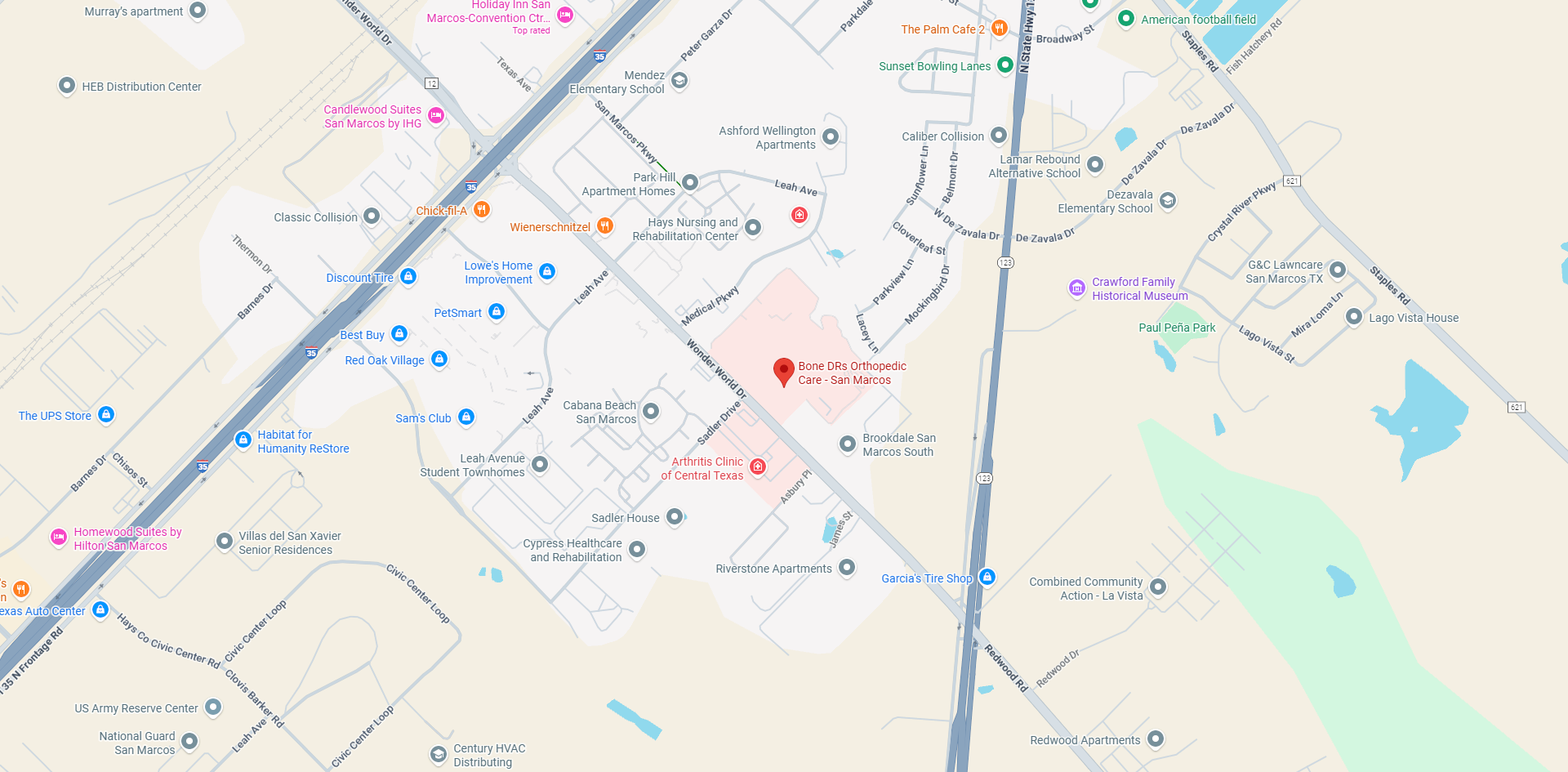
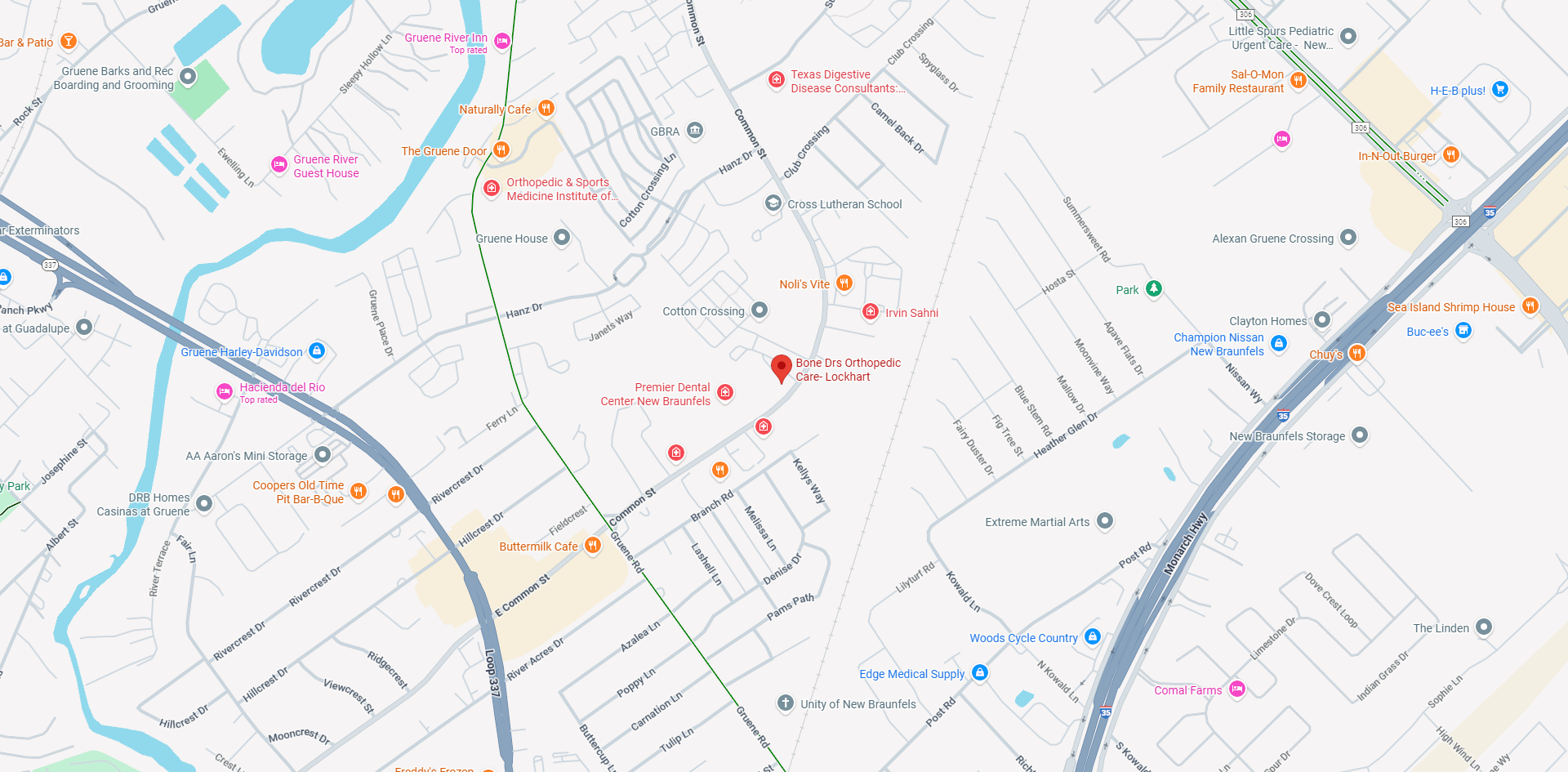
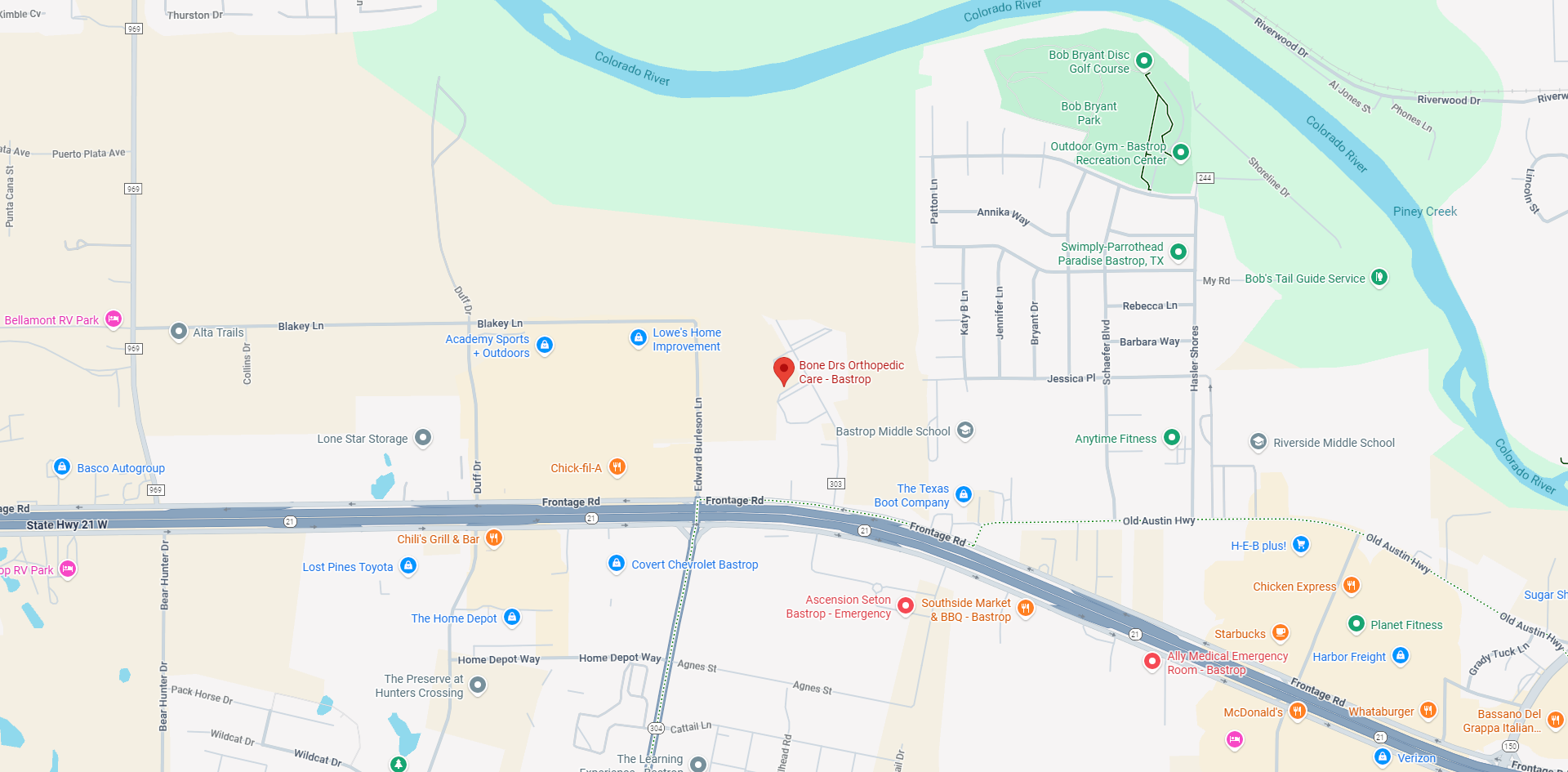
Care is available across our Austin, San Marcos, Bastrop, Lockhart, and Round Rock locations, so most patients can be seen close to home.
What recovery actually looks like
Recovery from ACL reconstruction is long, but it is predictable. Most patients are walking with crutches within a few days and walking unassisted within a few weeks. The bigger timeline is what matters.
Cleveland Clinic and other major orthopedic centers describe a phased return that looks roughly like this:
- Weeks 0 to 6: pain and swelling control, restoring range of motion, beginning quadriceps activation
- Months 2 to 4: strength training, stationary cycling, light jogging once cleared
- Months 4 to 6: sport-specific drills, agility work, neuromuscular retraining
- Months 6 to 12: return to full sports participation, based on strength testing and confidence, not just the calendar
Most patients can run again at three to four months and return to sport between six and twelve months. Competitive and contact-sport athletes often need closer to nine to twelve months to clear return-to-play testing. Pushing the timeline rarely ends well, which is why we work closely with physical therapy partners to measure progress against real benchmarks.
Frequently asked questions
Can an ACL tear heal on its own?
A fully torn ACL does not heal back to its original strength on its own. Some partial tears can be managed without surgery if the knee remains stable and the patient is not returning to high-demand sports. A specialist exam is the only reliable way to know which group you fall into.
Do I have to have surgery if I tore my ACL?
Not always. The decision depends on the severity of the tear, your activity goals, and whether other knee structures were injured. Many lower-demand patients do well without surgery, while athletes and active adults usually choose reconstruction to restore full stability.
Will my knee ever be the same after ACL surgery?
With proper surgery and dedicated rehab, most patients return to the activities they care about. The keys are completing a full rehabilitation program and not rushing back to sport before your knee is ready.
Schedule a consultation at BoneDrs
If you are worried you tore your ACL, the worst thing you can do is wait and hope it sorts itself out. Get evaluated, get a clear picture of what's actually going on, and get a treatment plan built around how you live. Call BoneDrs at 512-266-3377 or request an appointment at any of our Central Texas locations. You deserve answers and a plan, not another week of wondering.
If you have any concerns about your joints, contact us and we can help determine a treatment that works for you.