
A twist on the basketball court, a deep squat that ends with a pop, or a knee that just slowly started catching over the years. A torn meniscus can show up in very different ways, and it is one of the most common knee injuries we treat. If your knee is swollen, stiff, or feels like it is locking up, this guide walks through what a meniscus tear actually is, how to recognize one, and the treatment options available at BoneDrs across Central Texas.
What a torn meniscus is
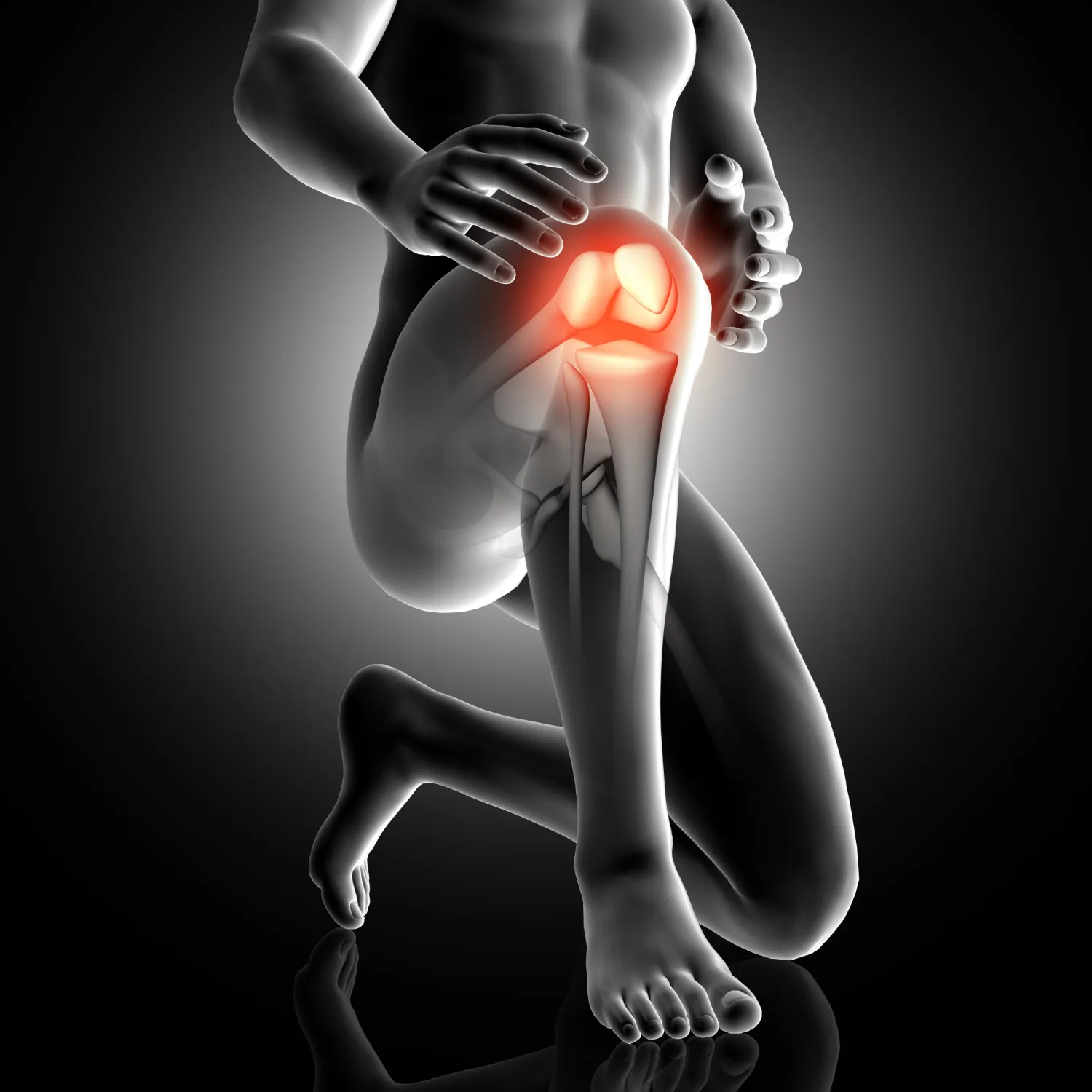
Each of your knees has two menisci, which are C-shaped pieces of tough, rubbery cartilage that sit between your thigh bone and your shin bone. Think of them as shock absorbers. They cushion the joint, spread out the weight you put on your knee, and help keep it stable when you walk, run, or pivot.
A torn meniscus simply means one of those cushions has been damaged. Where the tear sits matters a great deal for healing. The outer third of the meniscus has a healthy blood supply, so tears in that zone can sometimes heal on their own or be repaired. The inner two-thirds has very little blood flow, which means tears there usually cannot grow back together and may need to be trimmed.
Symptoms to watch for
Meniscus tears do not always announce themselves right away. With some injuries it can take 24 hours or more for pain and swelling to set in, so you may feel fine immediately after and worse the next morning. Common signs include:
- Pain in the knee, especially when you twist or rotate it
- Swelling or stiffness that builds over the first day or two
- A popping sensation at the moment of injury
- Trouble straightening the knee all the way
- A feeling that your knee is catching, clicking, or locking up
- A sense that the knee might give out under you
What causes a meniscus tear
There are two main paths to a torn meniscus, and they tend to affect different people. The first is an acute, or traumatic, tear. This happens when the knee is forcefully twisted or rotated, often during sports that involve cutting, pivoting, or sudden stops. Deep squatting or kneeling can do it too. These tears are common in active adults and athletes.
The second is a degenerative tear. As we age, the cartilage in the knee gradually wears down and weakens, which makes it easier to tear with even a small or ordinary movement. Older adults are more likely to experience this type, and it often overlaps with early arthritis in the knee.
When to see a doctor
Mild knee tweaks often settle down with a few days of rest. But some symptoms point to a problem that needs an orthopedic evaluation rather than more waiting. Reach out to a doctor if:
- Your knee is locked or stuck and you cannot fully straighten or bend it
- You cannot put weight on the leg or it keeps buckling
- Swelling is significant or comes on quickly
- Pain and stiffness are not improving after a few days of rest and ice
- The knee feels unstable during everyday activities
A knee that truly locks can signal a specific kind of tear that is blocking the joint mechanically, and that is worth getting checked promptly. For sudden injuries with severe swelling or an inability to bear weight, our orthopedic urgent care option in Austin gives you a faster path to evaluation than a long wait in a general emergency room.
Treatment options at BoneDrs
The right treatment depends on your age, activity level, and the type, size, and location of the tear. There is no single answer that fits every knee, which is why an in-person exam and imaging matter so much.
Most meniscus tears start with non-surgical care. Rest, ice, compression, and anti-inflammatory medication are often enough to calm the pain and let a tear in the outer zone settle. Physical therapy helps rebuild the strength and stability around the joint, and in some cases a targeted injection can reduce inflammation. Many patients improve without ever needing an operation.
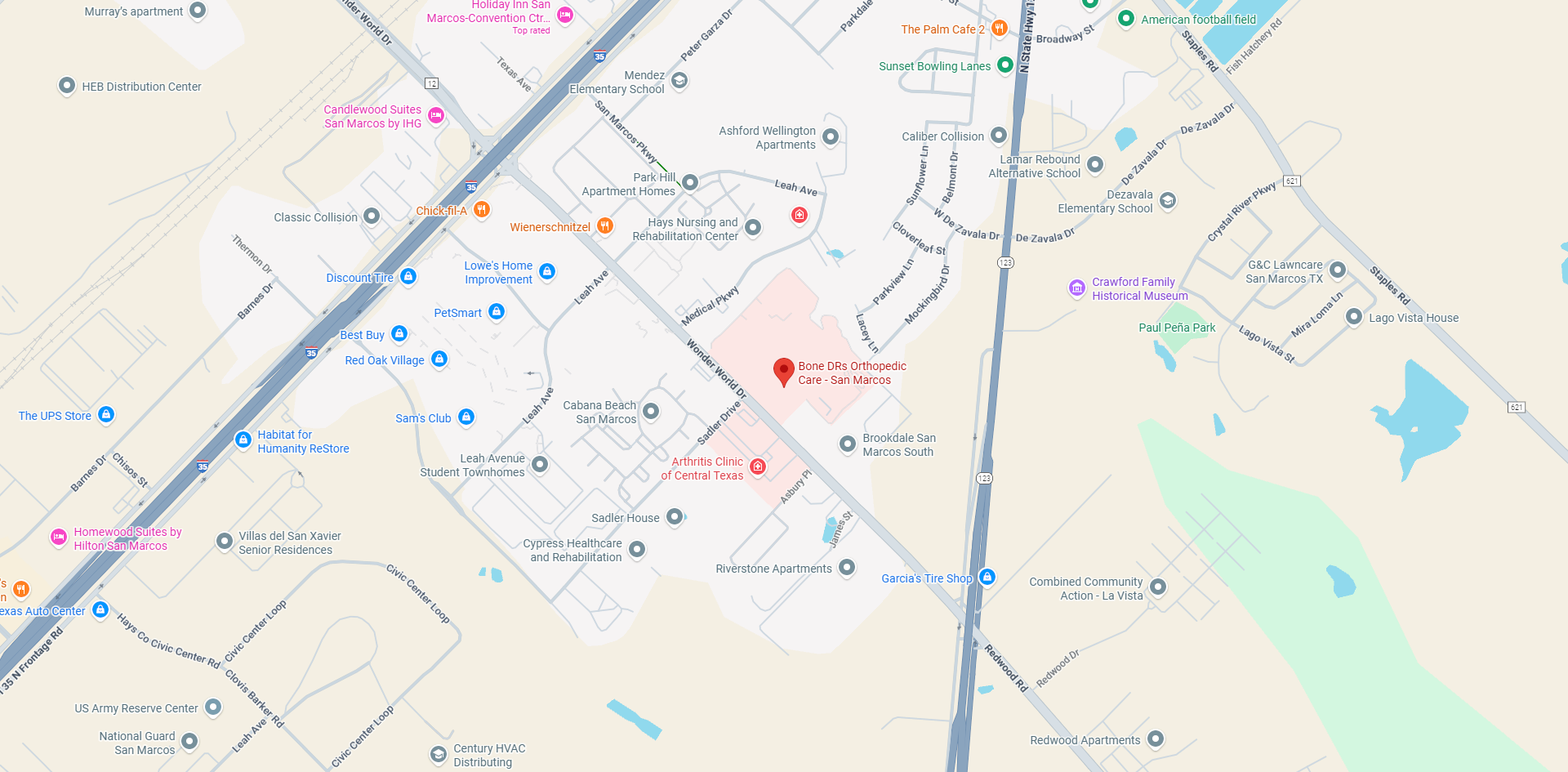
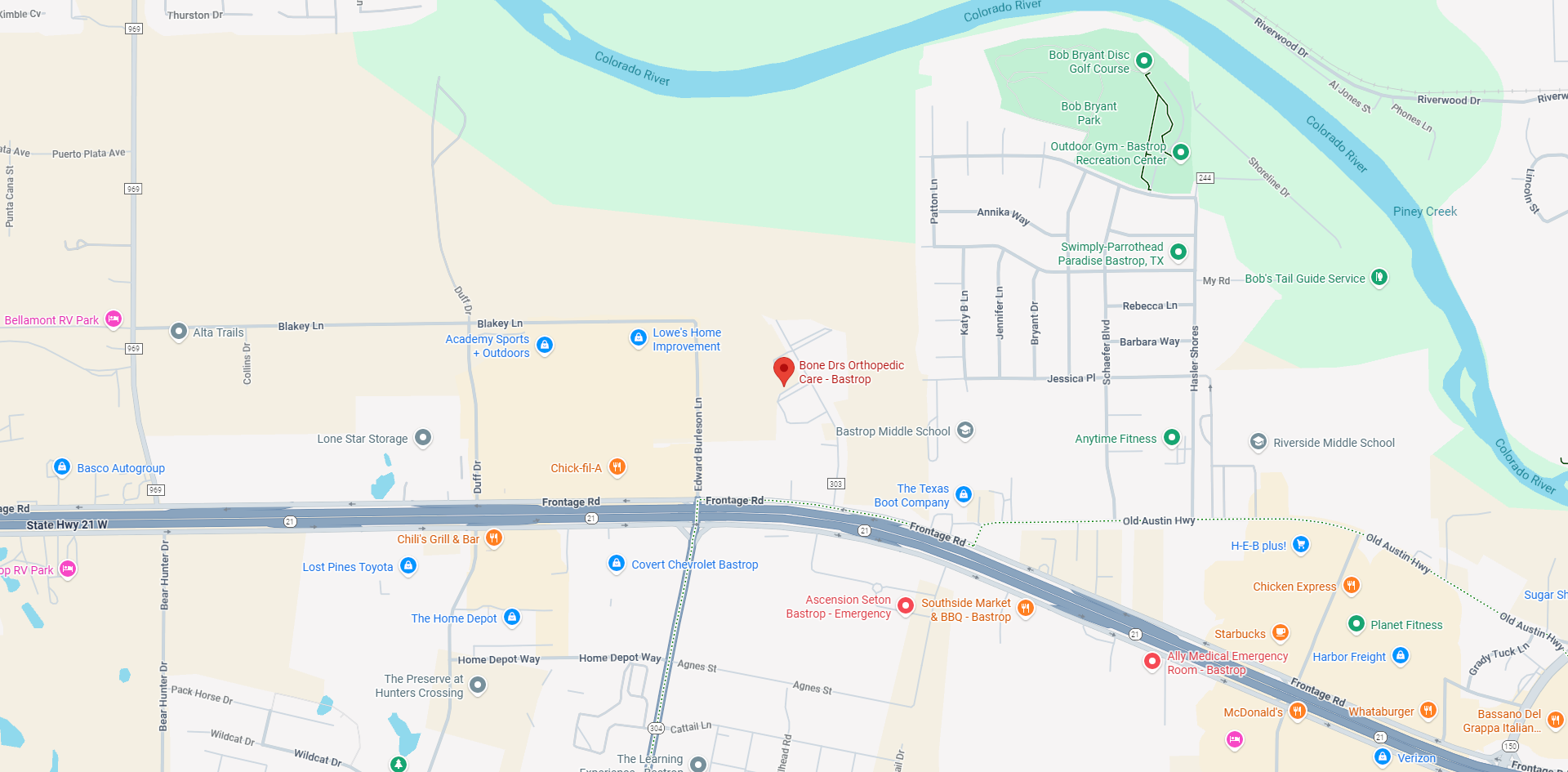
When conservative care is not enough, or when the tear is large or causing the knee to lock, a minimally invasive procedure called knee arthroscopy may be recommended. Through small incisions, the surgeon either repairs the torn edges or trims away the damaged portion. Our sports medicine specialists, including Dr. Bennett and Dr. Rouhipour, treat knee injuries like these regularly, and Dr. Jimenez leads our advanced knee care for patients whose tears are tied to more significant joint wear. We see patients across our Austin, San Marcos, Bastrop, Lockhart, and Round Rock locations.
Recovery and what to expect
Recovery timelines depend heavily on which procedure you have, because a repair and a trim heal very differently. After a partial meniscectomy, where the damaged tissue is trimmed, many patients return to normal activity within six to eight weeks. After a meniscus repair, the timeline is longer because the tissue has to knit back together. Patients often use a brace and crutches for at least three weeks, and a full return can take three to six months.
Physical therapy is a key part of either path. Sticking with your rehab plan, easing back into activity gradually, and giving the knee the time it needs all make a real difference in the final result. Rushing back too soon is one of the most common reasons recovery stalls.
Frequently asked questions
Can a torn meniscus heal on its own?
It depends on where the tear is. Tears in the outer third of the meniscus have a good blood supply and can sometimes heal with rest and rehab. Tears in the inner two-thirds usually cannot heal on their own because that area has little blood flow, and those may need to be trimmed if symptoms persist.
How long does a meniscus tear take to heal?
For conservative care or a trimming procedure, many people feel back to normal in about six to eight weeks. A surgical repair takes longer, often three to six months, since the cartilage has to fully knit back together before you return to full activity.
Can you walk with a torn meniscus?
Many people can still walk after a meniscus tear, though often with pain, stiffness, or a limp. Being able to walk does not mean the tear is minor. If your knee is locking, giving out, or staying swollen, it is worth having an orthopedic specialist take a look.
Schedule a consultation at BoneDrs
If a knee injury is keeping you from the activities you love, our orthopedic team is ready to help you find the cause and the right path forward. Call BoneDrs at 512-266-3377 to schedule an evaluation at any of our Central Texas locations, and take the first step toward a knee that moves the way it should.
If you have any concerns about your joints, contact us and we can help determine a treatment that works for you.