
Why Rheumatoid Arthritis Pain Relief Matters — and Where to Start

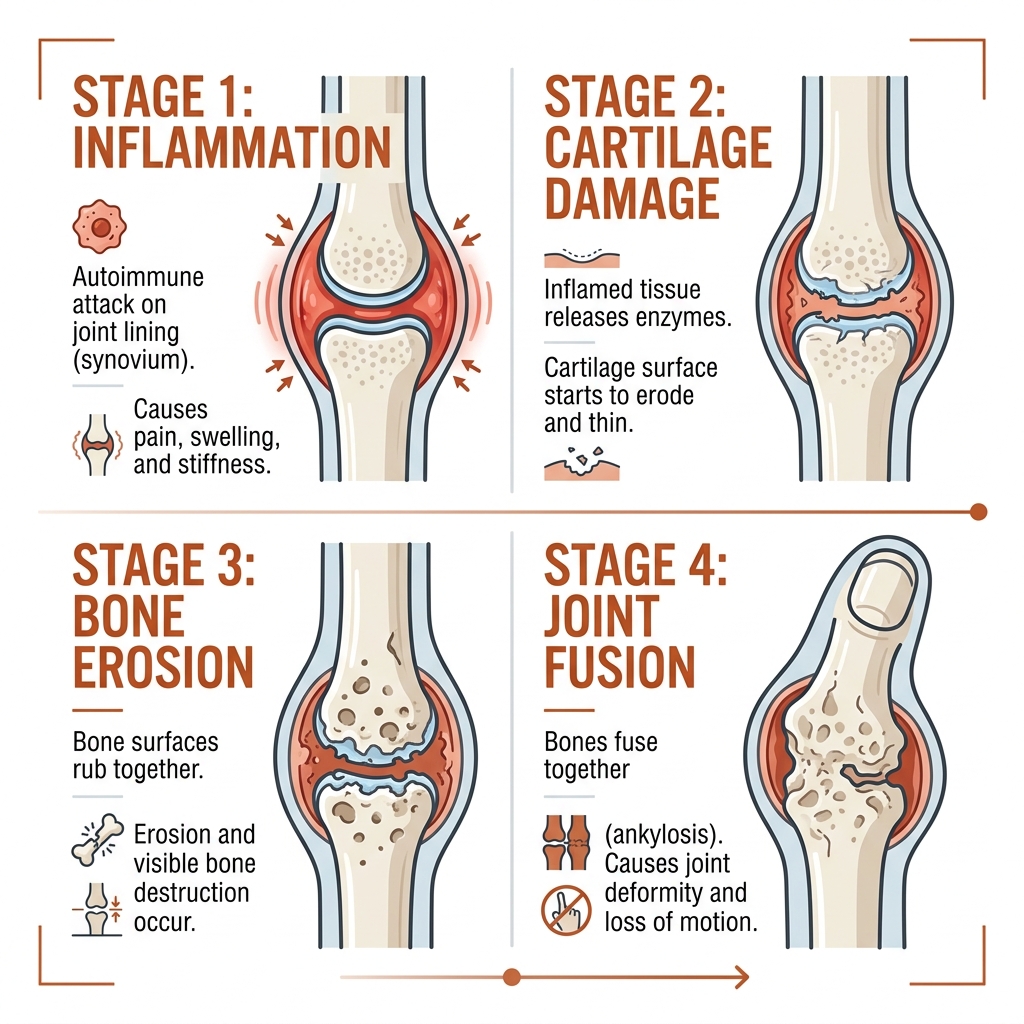
Rheumatoid arthritis pain relief is something millions of people search for every day — and for good reason. RA is a chronic autoimmune disease that attacks the lining of your joints, causing pain, swelling, and stiffness that can make everyday tasks feel impossible.
Here are the most effective approaches to managing RA pain:
- Medications — DMARDs (like methotrexate), biologics, NSAIDs, and corticosteroids reduce inflammation and slow joint damage
- Physical therapy — Strengthens muscles around joints and improves range of motion
- Heat and cold therapy — Eases stiffness and reduces swelling during flares
- Low-impact exercise — Walking, swimming, and Tai Chi reduce fatigue and keep joints mobile
- Natural supplements — Fish oil and turmeric show evidence of reducing inflammation
- Stress reduction — Meditation and deep breathing lower inflammation-triggering hormones
- Surgery — Joint replacement or synovectomy for severe, irreversible joint damage
The most important thing to know: the earlier you treat RA, the better your chances of remission. Without treatment, joint damage can occur within the first two years of diagnosis.
RA doesn't just hurt your joints. It can affect your lungs, heart, and eyes — and it significantly impacts daily life, from buttoning a shirt to getting a full night's sleep. That's why a comprehensive, personalized approach matters.
I'm Christopher Jimenez, MD, a board-certified orthopedic surgeon specializing in joint replacement and arthritis pain management across Central Texas, with thousands of surgeries and a career focused on helping patients find lasting rheumatoid arthritis pain relief. In this guide, I'll walk you through every proven option — from first-line medications to surgical interventions — so you can make informed decisions with your care team.
Medical Treatments for Rheumatoid Arthritis Pain Relief
When we talk about rheumatoid arthritis pain relief, we have to look past simple "band-aid" solutions. Because RA is an autoimmune condition where the body mistakenly attacks the synovium (the lining of the membranes that surround your joints), the pain is rooted in systemic inflammation.

The gold standard in modern rheumatology is a "treat-to-target" approach. This means we don't just want you to feel "better"; we want to achieve clinical remission. Scientific research on the importance of early DMARD treatment shows that starting aggressive therapy early is the most effective way to prevent permanent bone erosion and joint deformity. At BONE DRs, we offer comprehensive arthritis pain relief services to help patients in Austin, San Marcos, and Bastrop navigate these complex medical choices.
| Treatment Category | Primary Function | Common Examples |
|---|---|---|
| NSAIDs | Rapidly reduce pain and swelling | Ibuprofen, Naproxen, Celecoxib |
| Corticosteroids | Powerful, fast-acting anti-inflammatories | Prednisone, Methylprednisolone |
| Conventional DMARDs | Slow disease progression by suppressing the immune system | Methotrexate, Sulfasalazine |
| Biologics | Genetically engineered to target specific inflammatory proteins | TNF inhibitors (Enbrel, Humira) |
| JAK Inhibitors | Block internal cell signaling pathways for inflammation | Xeljanz, Rinvoq |
Conventional DMARDs and Biologics for Rheumatoid Arthritis Pain Relief
Disease-Modifying Antirheumatic Drugs (DMARDs) are the cornerstone of any long-term management plan. Unlike simple painkillers, DMARDs actually change the course of the disease. Methotrexate is typically the first-line choice because of its proven track record in slowing radiographic damage. According to the National Rheumatoid Arthritis Society: DMARDs, these medications work by blocking the chemicals that the immune system uses to attack your joints.
If conventional DMARDs aren't enough, we move to Biologic Response Modifiers. These are "smart" drugs, often given via injection or infusion, that target specific parts of the immune system, such as Tumor Necrosis Factor (TNF) or B-cells. The newest players on the field are JAK inhibitors, which are oral medications that block enzymes called Janus kinases. These are often used when other treatments haven't provided enough rheumatoid arthritis pain relief.
NSAIDs and Corticosteroids for Immediate Flare Management
While DMARDs take weeks or months to kick in, you need relief now. This is where "bridge therapy" comes in. Non-steroidal anti-inflammatory drugs (NSAIDs) like ibuprofen or prescription-strength naproxen help manage daily aches. However, we often recommend pairing these with a Proton Pump Inhibitor (PPI) to protect your stomach lining from potential irritation or bleeding.
Corticosteroids, like prednisone, are the "heavy hitters" for flares. They work almost instantly to shut down inflammation. The catch? Long-term use can lead to bone loss and weight gain. We aim to use the lowest dose possible for the shortest time. For those dealing specifically with knee arthritis treatments, localized steroid injections can sometimes provide targeted relief without the systemic side effects of oral pills.
Lifestyle Changes and Natural Remedies
Managing RA is a 24/7 job, and what you do at home matters just as much as what happens in our clinics. We've seen that patients who take an active role in their lifestyle management often experience fewer and less severe flares.
One of the most impactful changes is smoking cessation. Smoking doesn't just increase your risk of developing RA; it actually makes the medications less effective and worsens inflammation. Stress management is another heavy hitter. When you're stressed, your body releases cortisol and other hormones that can trigger a flare. Techniques like meditation, deep breathing, and maintaining strict sleep hygiene are essential tools for rheumatoid arthritis pain relief. For more detailed guidance, check out our resource on foods that help ease arthritis pain.
Natural Supplements and Diet for Rheumatoid Arthritis Pain Relief
While no diet can "cure" RA, a Mediterranean-style eating plan—rich in fruits, vegetables, whole grains, and healthy fats—is naturally anti-inflammatory.
- Turmeric/Curcumin: Research shows turmeric blocks proteins that cause inflammation and may ease pain as effectively as some NSAIDs.
- Fish Oil: High in Omega-3 fatty acids, fish oil supplements have been shown in several studies to reduce joint stiffness and pain.
- Ginger: Known for its anti-nausea properties, ginger also has mild anti-inflammatory effects.
If you are dealing with specific issues like foot and ankle arthritis, maintaining a healthy weight through diet is crucial to reducing the mechanical load on those small, sensitive joints.
Low-Impact Exercise for Rheumatoid Arthritis Pain Relief
It sounds counterintuitive to move when your joints hurt, but "motion is lotion." Regular, low-impact exercise strengthens the muscles that support your joints, which actually takes the pressure off the inflamed tissue.
Walking, swimming, and water aerobics are fantastic because the buoyancy of water supports your weight. Mind-body exercises like Tai Chi and Yoga are also highly recommended; Tai Chi, in particular, has been praised for improving balance and flexibility while fostering a positive mindset. For our patients managing hip osteoarthritis alongside RA, range-of-motion exercises are vital for preserving the ability to walk and climb stairs comfortably.
Physical Therapy and Supportive Interventions
Sometimes, the best rheumatoid arthritis pain relief comes from learning how to move differently. Physical and occupational therapists are invaluable members of your care team.
A physical therapist can design a custom program to improve your function, while an occupational therapist focuses on "joint protection." This might mean learning to use your forearms to pick up a heavy pot instead of your wrists, or finding better ways to manage elbow arthritis support. In some cases, we might also discuss viscosupplementation—injecting a lubricating fluid into the joint—to help it move more smoothly.
Heat, Cold, and TENS Therapy
These simple home remedies are surprisingly effective:
- Heat: Best for morning stiffness. Moist heat (like a warm shower or paraffin bath) helps relax muscles and increase circulation.
- Cold: Best for acute flares and swelling. Applying an ice pack for 15 minutes can numb the area and reduce the "heat" of inflammation. Just remember to take at least a 30-minute break between applications to protect your skin.
- TENS (Transcutaneous Electrical Nerve Stimulation): These small devices send mild electrical pulses through the skin to help block pain signals from reaching the brain.
Occupational Therapy and Assistive Devices
Don't struggle with the small stuff. Assistive devices are designed to take the stress off your joints during daily activities.
- Buttonhooks and zipper pulls for dressing.
- Large-grip kitchen tools to make cooking less painful.
- Wrist and finger splints to provide stability during tasks.
- Ergonomic keyboards and pens for work.
For those struggling with mobility, we can also recommend specific knee osteoarthritis aids like specialized braces or canes to help you stay active in the Austin and San Marcos areas.
Advanced Interventions and Surgical Options
While modern medications have drastically reduced the number of RA patients who need surgery, it remains a vital option for those with severe joint destruction. When pain becomes "bone-on-bone" and conservative treatments no longer provide rheumatoid arthritis pain relief, we look toward surgical restoration.
Surgery is usually considered when there is persistent synovitis (inflammation) that doesn't respond to meds, or when tendons have ruptured. According to the National Rheumatoid Arthritis Society: surgery, the goal is to reduce pain and restore function so you can get back to the life you love.
Common Surgical Procedures for RA
- Total Joint Replacement (Arthroplasty): We remove the damaged parts of the joint and replace them with metal and plastic prosthetics. Hips and knees are the most common, but shoulders and even finger joints can be replaced.
- Synovectomy: This involves removing the inflamed lining of the joint (the synovium) to reduce pain and prevent further damage.
- Tendon Repair: RA can cause tendons to loosen or rupture; we can surgically repair these to restore movement.
- Joint Fusion (Arthrodesis): If replacement isn't an option, we can fuse a joint to stabilize it and eliminate pain, though this does limit movement in that specific spot.
Modern prosthetics are incredibly durable, often lasting 10 to 20 years, making them a life-changing option for patients in our Central Texas communities.
Frequently Asked Questions about RA Pain
How do I know if my pain is RA or osteoarthritis?
RA is an autoimmune disease that usually affects joints symmetrically (both hands or both knees) and is often accompanied by prolonged morning stiffness (over an hour). Osteoarthritis is "wear and tear" that usually affects one side more than the other and doesn't typically cause the same level of systemic fatigue or fever.
Can diet alone manage rheumatoid arthritis flares?
While a healthy diet is a powerful tool for reducing the "fire" of inflammation, it is rarely enough on its own to stop the progression of RA. Medical treatment is necessary to prevent permanent bone damage, but diet can certainly reduce the frequency and intensity of your flares.
When should I see a specialist for joint pain?
If you have persistent swelling, pain in multiple joints, or stiffness that lasts more than 30 minutes in the morning, you should see a specialist immediately. The "window of opportunity" for preventing permanent damage is within the first few months of symptom onset.
Conclusion
Finding lasting rheumatoid arthritis pain relief requires a multidisciplinary approach. Whether it's the latest biologic medication, a custom physical therapy plan, or a life-changing joint replacement, the goal is always the same: to help you live a life defined by your passions, not your pain.
At BONE DRs Orthopedic Care, our board-certified specialists are dedicated to providing personalized, patient-centered care. From our offices in Austin, San Marcos, and Bastrop, we work with you to create a roadmap for your recovery. Don't wait for the damage to become permanent. Schedule your consultation for rheumatoid arthritis pain relief with our team today and take the first step toward a more mobile, pain-free future.
If you have any concerns about your joints, contact us and we can help determine a treatment that works for you.