There are two ways to replace a worn-out shoulder, and they are close to opposites. An anatomic total shoulder replacement rebuilds the joint the way it was built: a metal ball on your arm bone, a smooth plastic socket on your shoulder blade. A reverse total shoulder replacement swaps them. The ball goes on the shoulder blade and the socket goes on the arm bone, which sounds strange until you understand why.
The reason comes down to your rotator cuff. The anatomic version needs a working rotator cuff to lift the arm. If yours is worn through, that operation will not work, and the reverse design lets your deltoid do the lifting instead.
Here is the part patients are rarely told clearly. If you have a reverse replacement, the motion you are most likely to miss is not raising your arm overhead. That usually comes back well. It is reaching behind your back. Fastening a bra, getting a wallet out of a back pocket, tucking in a shirt, and personal hygiene all get harder, and for many people that limitation is permanent. It is worth knowing before you decide, not after.
Quick facts about shoulder replacement
- What decides which one: The condition of your rotator cuff, more than your age or your pain level
- Sleeping upright: Most people sleep in a recliner or propped up for the first 4 to 6 weeks
- Sling: Usually around 4 to 6 weeks
- Driving: Commonly 6 to 12 weeks, though some surgeons wait longer after a reverse
- Permanent lifting limit after a reverse: Most surgeons advise keeping routine lifting under 10 to 15 pounds, with about 25 pounds as a ceiling
- How long they last: Roughly 88 out of 100 reverse replacements and about 93 out of 100 anatomic ones are still in place at 10 years
As J. Michael Bennett, MD, a board-certified orthopedic surgeon specializing in orthopedic sports medicine, I see a lot of patients across Central Texas who arrive having already decided they want one or the other, usually based on something a friend told them. The honest answer is that your shoulder mostly decides for you. What I spend the most time on in clinic is making sure people understand the trade they are actually making, because the two operations feel quite different to live with.
Why there are two operations at all
Your shoulder is a ball on a very shallow socket, which is what gives you such an enormous range of motion. The tradeoff is that the bone gives you almost no stability. The rotator cuff, four muscles wrapping over the top of the arm bone, does that job. It holds the ball centered in the socket while the big muscles move the arm.
An anatomic replacement recreates that same arrangement with new surfaces. It works beautifully, but only if the rotator cuff is still doing its job. Without a working cuff, the ball slides upward instead of rotating in place, and the replacement fails.
The reverse design solves that problem by changing the geometry. Putting the ball on the shoulder blade and the socket on the arm bone shifts the joint's pivot point downward and inward. That gives your deltoid, the big muscle over the outside of your shoulder, enough leverage to raise the arm on its own. The cuff becomes unnecessary for lifting. That is the whole idea, and it is why an operation that looks backwards is often the right answer.
What brings people to this point
- Arthritis with an intact cuff. Cartilage wears away, the joint grinds, but the rotator cuff still works. This is the classic case for an anatomic replacement.
- Cuff tear arthritis. A large rotator cuff tear goes unrepaired for years, the ball rides up, and the joint wears out in that abnormal position. The classic case for a reverse.
- An irreparable rotator cuff tear where you cannot lift your arm at all, even though the joint surfaces are not badly worn.
- A bad break of the upper arm bone, particularly in older patients, where the ball is shattered into several pieces.
- A previous shoulder replacement that failed, most often because the cuff gave out afterward.
- Rheumatoid arthritis, which damages both the joint surfaces and the cuff.
Signs you are heading toward a replacement
- Pain at rest and at night, not just with use. This is usually what finally tips people into surgery.
- Grinding and catching with movement, as bare bone contacts bare bone
- Losing motion gradually, so that reaching a high shelf or across your body becomes difficult
- Being unable to lift your arm at all, even though it does not hurt much, which points to a cuff problem rather than an arthritis problem
- Injections and therapy stopping working, or the relief lasting weeks instead of months
What your surgeon checks before deciding
- Whether you can lift your arm yourself. This is the single most informative thing in the exam. If your surgeon lifts your arm and you can hold it there, your deltoid and cuff are working. If it drops, that changes the plan immediately.
- X-rays. These show how much cartilage is gone, how worn the socket is, and whether the ball has ridden upward, which is the telltale sign of a long-standing cuff tear.
- A CT scan. The socket on your shoulder blade is small and often worn unevenly. A CT shows exactly how much bone is left and which way it is tilted, which determines whether a socket component can be anchored securely.
- An MRI. Used to see the rotator cuff itself, including how much of the muscle has been replaced by fat. A cuff that looks repairable on an MRI can turn out not to be.
The two operations, side by side
| Question | Anatomic replacement | Reverse replacement |
|---|---|---|
| What is done | Metal ball on the arm bone, plastic socket on the shoulder blade, matching your original anatomy | Metal ball on the shoulder blade, plastic socket on the arm bone, reversing the joint |
| Requires a working rotator cuff | Yes. This is the deciding factor. | No. The deltoid does the lifting instead. |
| Raising your arm overhead | Usually very good | Usually good, and often dramatically better than before surgery |
| Reaching behind your back | Usually preserved | Often permanently limited. This is the main tradeoff. |
| Lifting limits | Fewer, though heavy repetitive overhead work is still discouraged | Permanent. Most surgeons advise under 10 to 15 pounds routinely, 25 pounds as a ceiling. |
| Still in place at 10 years | About 93 out of 100 | About 88 out of 100 |
| What tends to go wrong | The rotator cuff wears out later, which can cause the replacement to fail | Dislocation, loosening, wearing of the bone under the implant, infection |
Anatomic total shoulder replacement
When the cuff is healthy, this operation is hard to beat. It restores a close approximation of normal mechanics, gives excellent pain relief, and preserves rotation in both directions, meaning you can still reach behind your back and across your body. It also tends to feel more like your own shoulder.
The risk is on a long timeline. Your rotator cuff continues to age after surgery, and if it tears years later, the replacement can start to fail. That is why age and how much life the cuff has left in it both come into the conversation.
Reverse total shoulder replacement
The reverse has become far more common over the past two decades, and for good reason. It gives reliable pain relief and restores the ability to lift the arm in shoulders where nothing else works. For someone who has not been able to raise their arm above their waist in years, it can be transformative.
The tradeoffs are real and worth stating plainly. Rotation, particularly inward rotation behind the back, is often permanently reduced. There is a lasting weight limit. And the complication rate is higher than for an anatomic replacement, with dislocation and loosening being the main concerns. More on our full range of options is on our joint replacement page.
What life is actually like afterward
Protocols vary by surgeon and by which operation you have, but here is the realistic picture.
Sleeping
Plan on sleeping propped up, in a recliner or on a wedge with pillows, for the first 4 to 6 weeks. Lying flat pulls on the shoulder and hurts. Sleeping on the operated side is usually uncomfortable for two to three months and is something to resume only once your surgeon says the shoulder has healed and it stops hurting. If you do not have a recliner, sort one out before surgery. It is the best piece of preparation you can do.
Reaching behind your back, which nobody warns you about
After a reverse replacement, expect this to be limited, often permanently. The list of things it affects is longer than people realize: fastening a bra, getting a wallet or phone from a back pocket, tucking in a shirt, reaching a seatbelt, and personal hygiene in the bathroom.
Most people adapt. You learn to dress differently, front-fastening options exist, and reaching aids help. But it is a genuine adjustment, and it is the single most common thing patients tell me they wish they had understood beforehand. If you have arthritis in both shoulders, or if this motion is critical to your work or your independence, say so early. It can change the recommendation.
Driving
Commonly somewhere between 6 and 12 weeks, and some surgeons wait longer after a reverse. You need to be out of the sling with enough control to steer and react without hesitating, and you should not drive before your surgeon clears you regardless of how the shoulder feels. Arrange rides for at least the first six weeks.
Going back to work
Desk work is often possible within a few weeks, as long as you can work with the arm supported and do not need to reach or carry. Physical jobs take considerably longer, commonly three to six months, and some overhead or heavy lifting trades may not be compatible with a reverse replacement at all. Raise your job at the first consultation, because it genuinely affects which operation is recommended.
Lifting, permanently
This is the restriction people underestimate because it never goes away. After a reverse, most surgeons advise keeping routine lifting under 10 to 15 pounds, with roughly 25 pounds as an occasional ceiling. A bag of dog food, a toddler, a full cooler, or a loaded suitcase are all worth asking about specifically. The limit exists to protect the implant from loosening, not because the shoulder will hurt.
What you can still do
Walking, stationary cycling, and golf usually come back, with golf typically somewhere around four to six months. Swimming and gentle doubles tennis are often fine. Heavy weightlifting, contact sports, and anything involving repetitive overhead force are generally discouraged after either operation, and especially after a reverse. Most people find that losing the pain is worth far more than the activities they give up.
Who tends to get which
An anatomic replacement usually makes sense when you have arthritis with a healthy, intact rotator cuff, reasonable bone in the socket, and enough rotation preserved that keeping it matters to you. It is more often the answer in somewhat younger patients whose cuff has years of life left.
A reverse usually makes sense when the rotator cuff is torn beyond repair, when the ball has already ridden upward on X-ray, when you cannot lift your arm on your own, when a previous replacement has failed, or when a complex fracture has shattered the top of the arm bone.
And as with any joint, replacement is not the first step. Injections, anti-inflammatory medication, activity changes, and physical therapy can control shoulder arthritis for a long time, and our arthritis care options are worth exhausting first. If you have been through that and the pain is still keeping you up, you can book a shoulder evaluation online or call 512-266-3377.
Recovery, week by week
- Weeks 0 to 6. Protection. Sling most of the time, including at night. Gentle motion under guidance, no lifting beyond a coffee cup. Moving your elbow, wrist, and hand is encouraged from day one.
- Weeks 6 to 12. Moving it yourself. Sling comes off and you start using the arm actively without added weight. Most people notice a real turn in comfort and sleep during this stretch.
- Months 3 to 4. Early strengthening. Light resistance work begins, focused on the deltoid after a reverse and on the cuff after an anatomic replacement.
- Months 4 to 6. Building back. Return to most daily activities, driving, and lighter work. Golf and similar activities typically return in this window.
- Months 6 to 12. Settling in. Strength and confidence keep improving for a full year. Any permanent limits, particularly lifting and reaching behind your back after a reverse, are clear by now.
Cleveland Clinic's patient guide to reverse shoulder replacement is a solid reference if you want to read more before your appointment.
Frequently asked questions
Why would a surgeon reverse the shoulder joint on purpose?
Because it lets you lift your arm without a working rotator cuff. Moving the ball to the shoulder blade shifts the joint's pivot point down and in, which gives the deltoid muscle enough leverage to raise the arm by itself. In a shoulder with an irreparable cuff tear, a normal replacement simply will not work, and the reverse design is the reason those patients can raise their arm again at all.
Will I be able to reach behind my back after a reverse shoulder replacement?
Often not as well as before, and for many people that limitation is permanent. It affects fastening a bra, reaching a back pocket, tucking in a shirt, and personal hygiene. Most people adapt with changes to how they dress and with reaching aids, but it is worth discussing before surgery rather than discovering afterward.
How much can I lift after a shoulder replacement?
After a reverse, most surgeons advise keeping routine lifting under 10 to 15 pounds, with roughly 25 pounds as an occasional maximum, and that limit is permanent. After an anatomic replacement the limits are usually looser, though repetitive heavy overhead work is still discouraged. Ask your own surgeon for your specific numbers, since implants and protocols differ.
How long does a shoulder replacement last?
Roughly 88 out of 100 reverse replacements and about 93 out of 100 anatomic ones are still in place at 10 years, according to long-term follow-up research. Both are durable operations. The difference matters most for younger patients, who may outlive a first implant.
When can I sleep in my own bed again?
Most people move out of a recliner or wedge somewhere around 4 to 6 weeks, though lying on the operated side usually stays uncomfortable for two to three months. Sleep is often the hardest part of the early recovery and it does reliably improve.
Which operation has fewer complications?
The anatomic replacement generally has the lower complication rate. The reverse carries a higher risk of dislocation, loosening, and wear of the bone beneath the implant, and registry comparisons show different failure patterns between the two. That said, a reverse in the right shoulder outperforms an anatomic replacement that was never going to work, so the comparison only means something once you know the state of your rotator cuff.
Schedule a shoulder consultation at BoneDrs
Shoulder arthritis that wakes you at night, or a shoulder you can no longer lift on your own, is worth having properly evaluated. Which operation suits you depends almost entirely on the state of your rotator cuff and your socket bone, and that takes an exam and imaging rather than a rule of thumb.
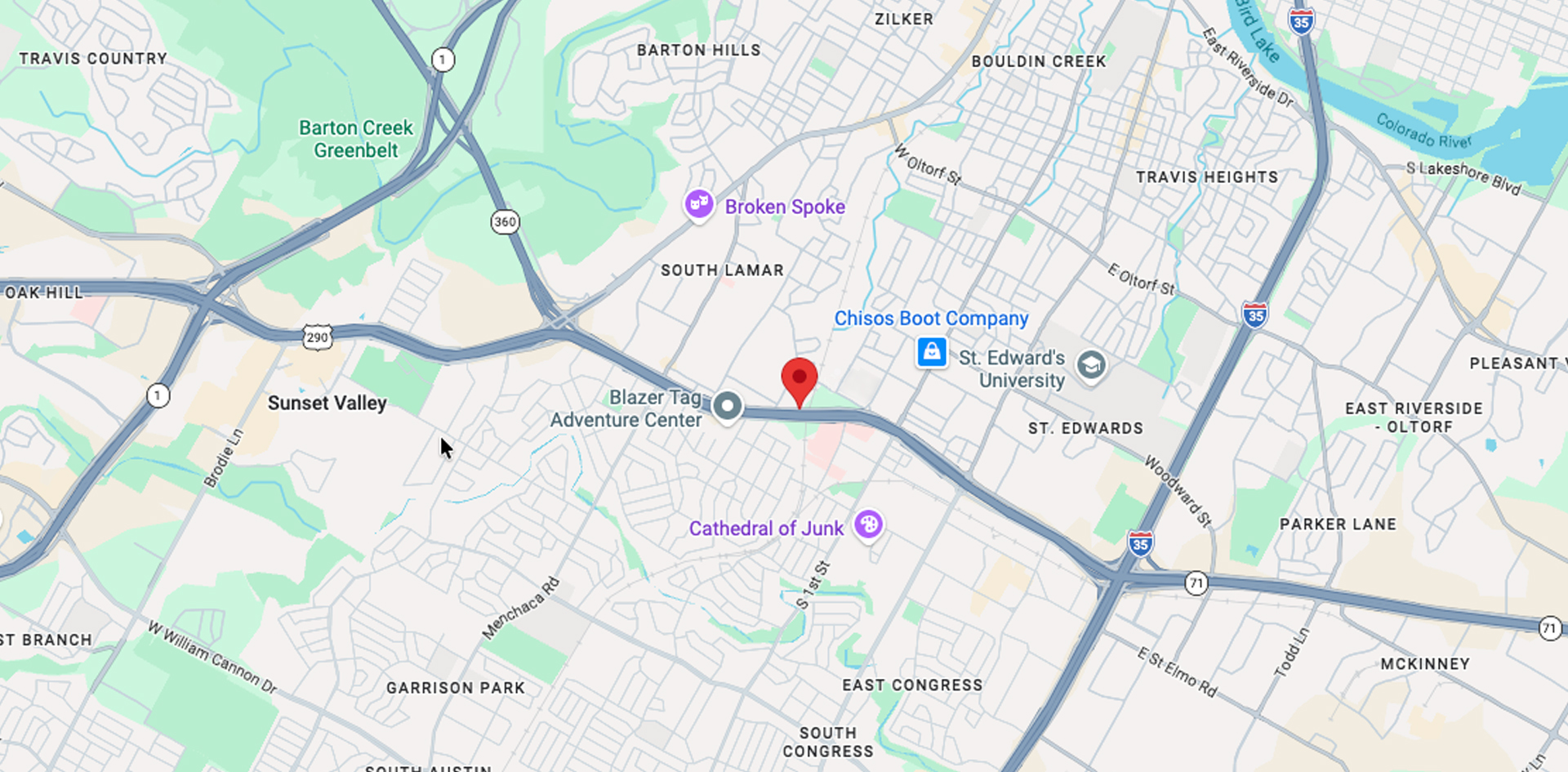
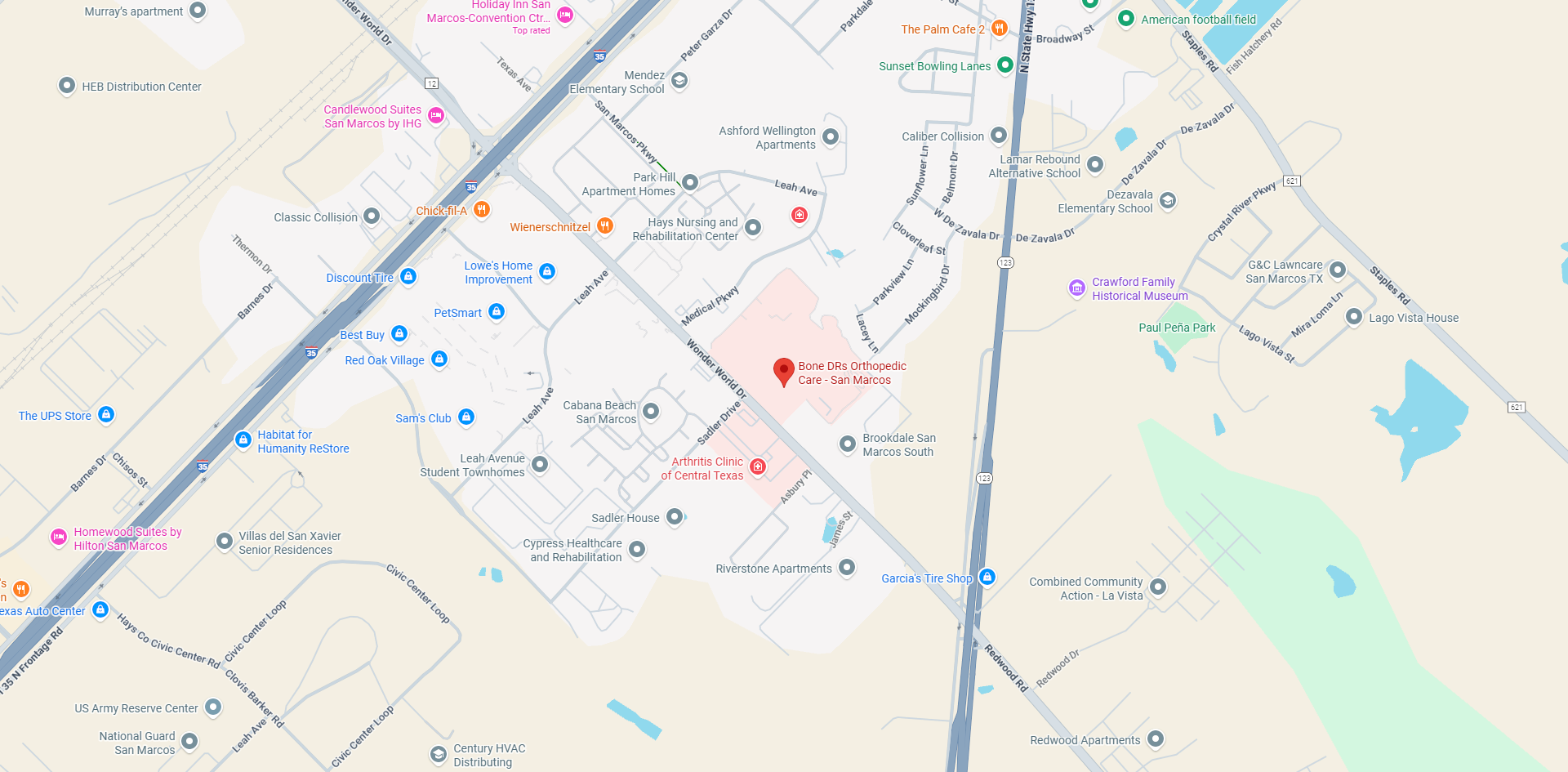
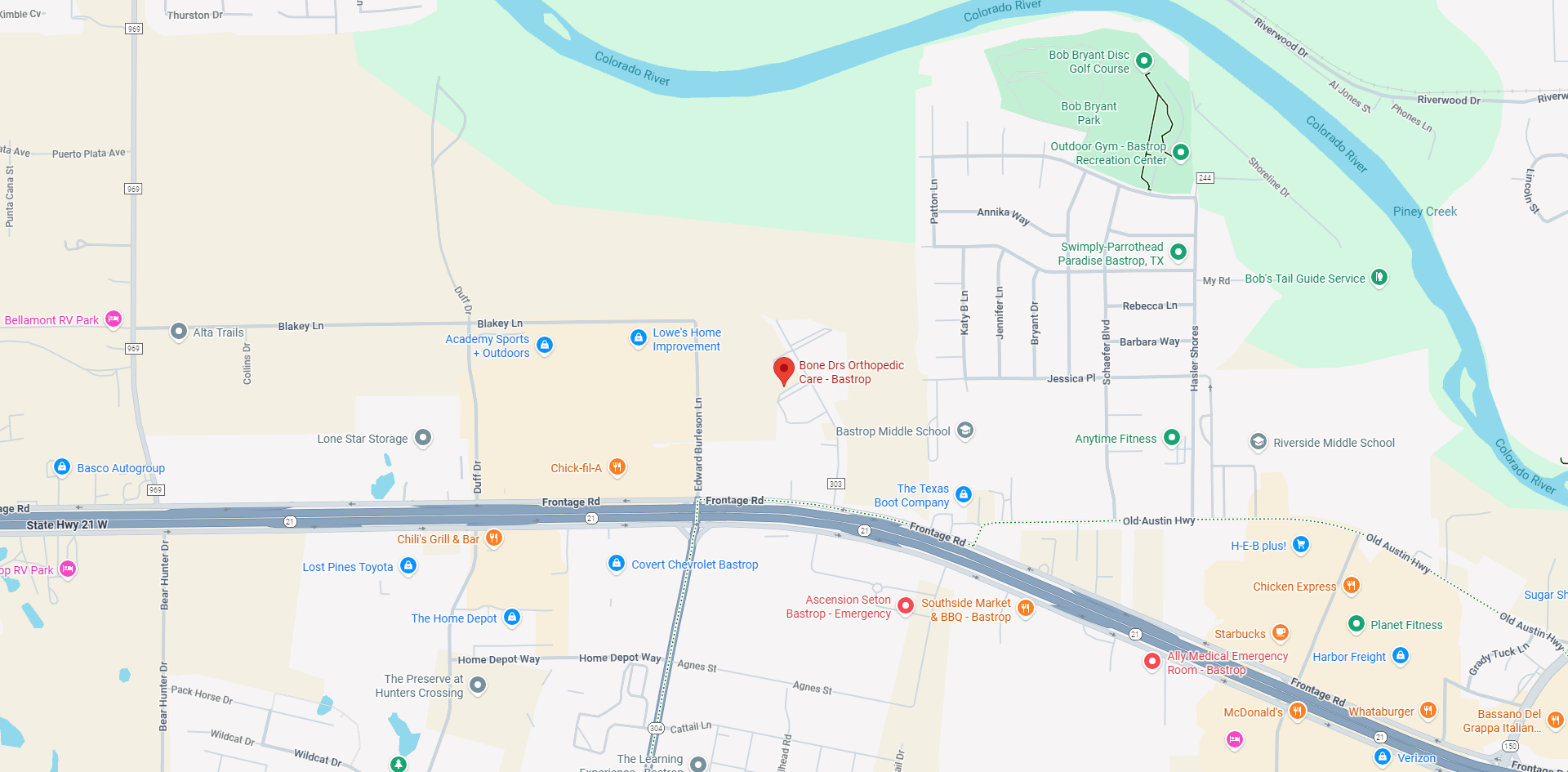
Our shoulder specialists see patients in Austin, San Marcos, Round Rock, and Bastrop, and we offer the full range of care under one roof, from injections and therapy through both types of shoulder replacement. Book an appointment online in about a minute, or call 512-266-3377.
If you have any concerns about your joints, contact us and we can help determine a treatment that works for you.