Why Finding the Right Doctor for Your Broken Wrist Matters

A doctor for broken wrist injuries is typically an orthopedic surgeon or hand specialist who can diagnose, treat, and manage your recovery. Here's what you need to know:
Who Treats Broken Wrists:
- Orthopedic Surgeons - Specialists in bones, joints, and musculoskeletal injuries
- Hand Specialists - Orthopedic surgeons with advanced training in wrist and hand fractures
- Hand Surgeons - Board-certified surgeons focused exclusively on hand and wrist conditions
When to See a Specialist:
- Severe pain, swelling, or obvious deformity after injury
- Inability to move your wrist or fingers
- Numbness or tingling in your hand
- Symptoms persisting beyond 7-10 days of home care
You might not think about how important your wrists are until you fall and catch yourself with an outstretched hand. Suddenly, that instinctive reaction can result in a broken wrist - one of the most common fractures people experience.
The wrist is a complex joint made up of eight small bones, two forearm bones (the radius and ulna), and numerous ligaments and tendons. When one or more of these bones breaks, proper treatment becomes critical. Without the right care, you could face long-term complications like chronic pain, reduced grip strength, arthritis, or permanent stiffness.
Getting the right diagnosis and treatment early makes all the difference. Distal radius fractures account for about 25% of fractures in children and 18% in older adults. The forces that go through your wrist during a fall can be many times your body weight - which is why even a simple stumble can result in a serious injury.
The good news? With proper care from a qualified specialist, most people recover full function of their wrist within 6-12 weeks, though improvement can continue for up to 18 months.
I'm Christopher Jimenez, MD, a board-certified orthopedic surgeon specializing in fractures and trauma care, and as a doctor for broken wrist injuries, I've helped thousands of patients in the Central Texas region recover from wrist fractures and return to their active lifestyles. Whether you need non-surgical treatment or advanced surgical intervention, finding the right orthopedic specialist is the first step toward complete healing.

First Steps After a Wrist Injury: Symptoms and When to Seek Help
A sudden wrist injury can be alarming. Whether it’s a clumsy fall, a sports mishap, or an accident, knowing what to do immediately and when to get professional help is crucial. Our instinct to break a fall with an outstretched hand (often called FOOSH, or "fall on outstretched hand") is common, but it frequently leads to wrist fractures.
When an injury occurs, initial first aid is important. We recommend the PRICE protocol: Protect the injured area, Rest it, apply Ice to reduce swelling, use Compression, and Elevate the limb. This can help manage the initial pain and swelling while you seek medical attention.
Recognizing the Signs of a Broken Wrist
It can be tricky to differentiate a minor sprain from a more serious fracture, as many initial symptoms overlap. However, certain signs strongly suggest a broken wrist that requires immediate medical evaluation.
Here are the key symptoms to watch for:
- Severe pain: This is often the most immediate indicator. If the pain is intense and doesn't subside quickly, it's a red flag. The pain might worsen significantly when you try to move your wrist or hand, or even when gripping objects.
- Swelling: The injured area will likely swell rapidly due to internal bleeding and inflammation.
- Bruising: Discoloration around the wrist is common, indicating blood vessel damage.
- Obvious deformity: This is a clear sign of a fracture. If your wrist looks bent, crooked, or has an unnatural shape, it's highly likely to be broken. A classic presentation of a distal radius fracture is the "dinner-fork" deformity, where the hand appears to be displaced backward, resembling an upside-down fork.
- Numbness or tingling: A fracture can put pressure on nerves, leading to numbness, tingling, or weakness in your fingers or hand. This is a serious symptom that needs immediate attention.
- Inability to move the wrist or hand: If you can't move your wrist or fingers normally, or if movement is severely restricted and painful, it suggests a significant injury.
Many fractures and sprains in the wrist can present the same symptoms. If you experience any of these signs after an injury, especially a fall, it's best to seek professional medical advice.
When to Go to the ER vs. an Orthopedic Specialist
Knowing where to seek care can save you time and ensure you get the right treatment.
Go to the Emergency Room (ER) or an Urgent Care Clinic immediately if you experience:
- Visible deformity: If your wrist is clearly bent, twisted, or looks "out of place."
- Open fracture: If the bone has broken through the skin, creating an open wound. This is a medical emergency due to the high risk of infection.
- Severe bleeding: Any uncontrolled bleeding accompanying the injury.
- Loss of sensation: If you experience complete numbness in your hand or fingers, or if they appear pale or blue, indicating potential nerve or blood vessel damage.
- Intense, unbearable pain: If the pain is so severe that it cannot be managed with over-the-counter pain relievers.
These situations require immediate attention to prevent further damage, infection, or long-term complications.
Schedule an appointment with an orthopedic specialist as soon as possible if:
- Your symptoms (pain, swelling, stiffness) persist after 7-10 days of home care (PRICE method).
- The pain remains the same or worsens, even when not using your wrist.
- The pain returns with activity after a period of rest.
- You notice any warmth, redness, or tenderness around the wrist, which could indicate infection.
- You have concerns about the severity of your injury but don't have the immediate, acute symptoms listed above for an ER visit.
At BONE DRs, we offer comprehensive care for various fractures and trauma, ensuring you receive timely and effective treatment for your wrist injury. Learn more about our Fractures & Trauma care.
What Kind of Doctor for a Broken Wrist Should You See?
When you're dealing with a suspected broken wrist, the immediate question often is: "What kind of doctor for broken wrist injuries should I see?" The answer lies within the specialized field of orthopedic care. Orthopedic doctors are experts in the musculoskeletal system, which includes your bones, joints, ligaments, tendons, and muscles. Their specialized training makes them uniquely qualified to diagnose and treat complex injuries like wrist fractures.
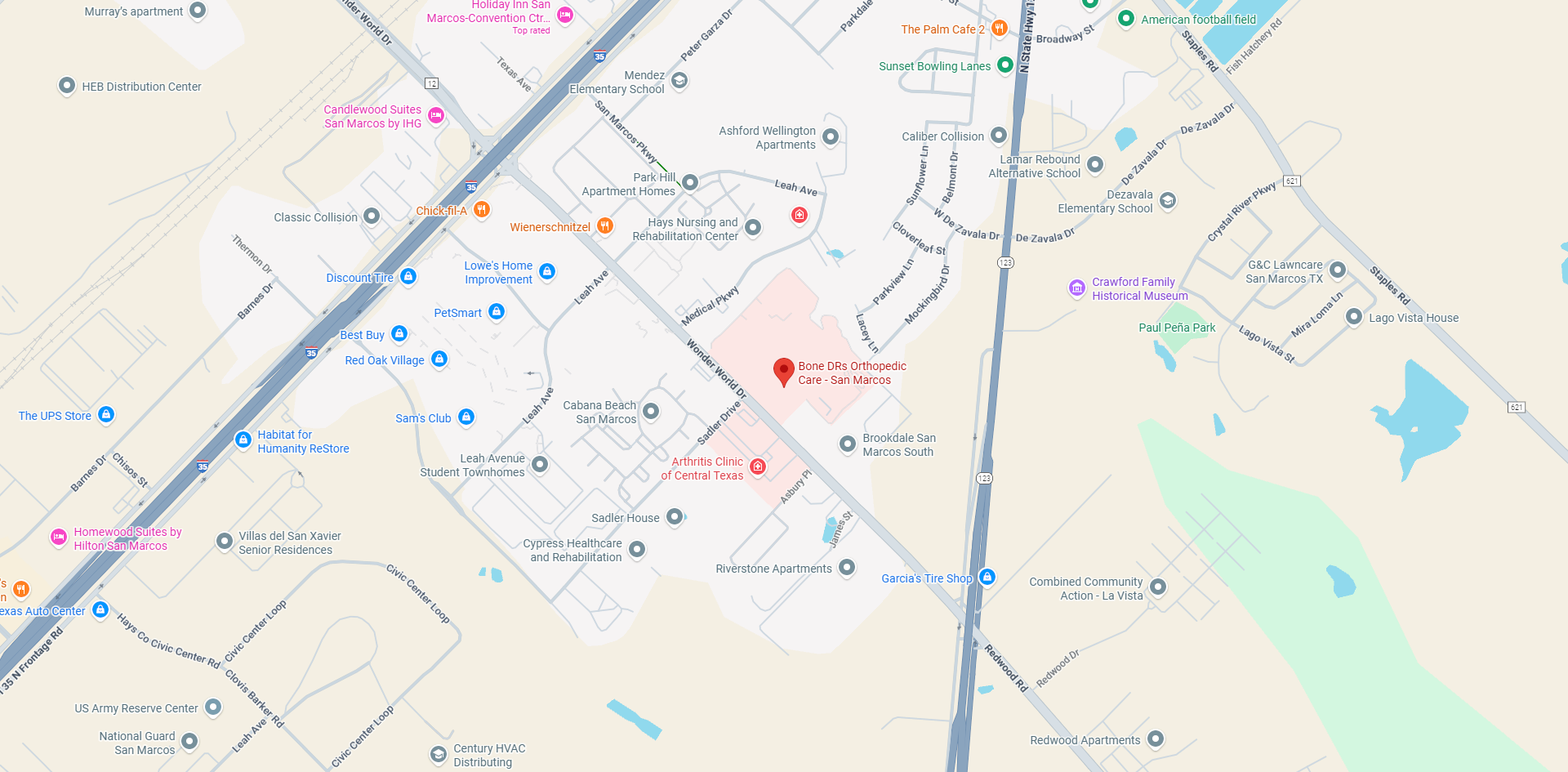
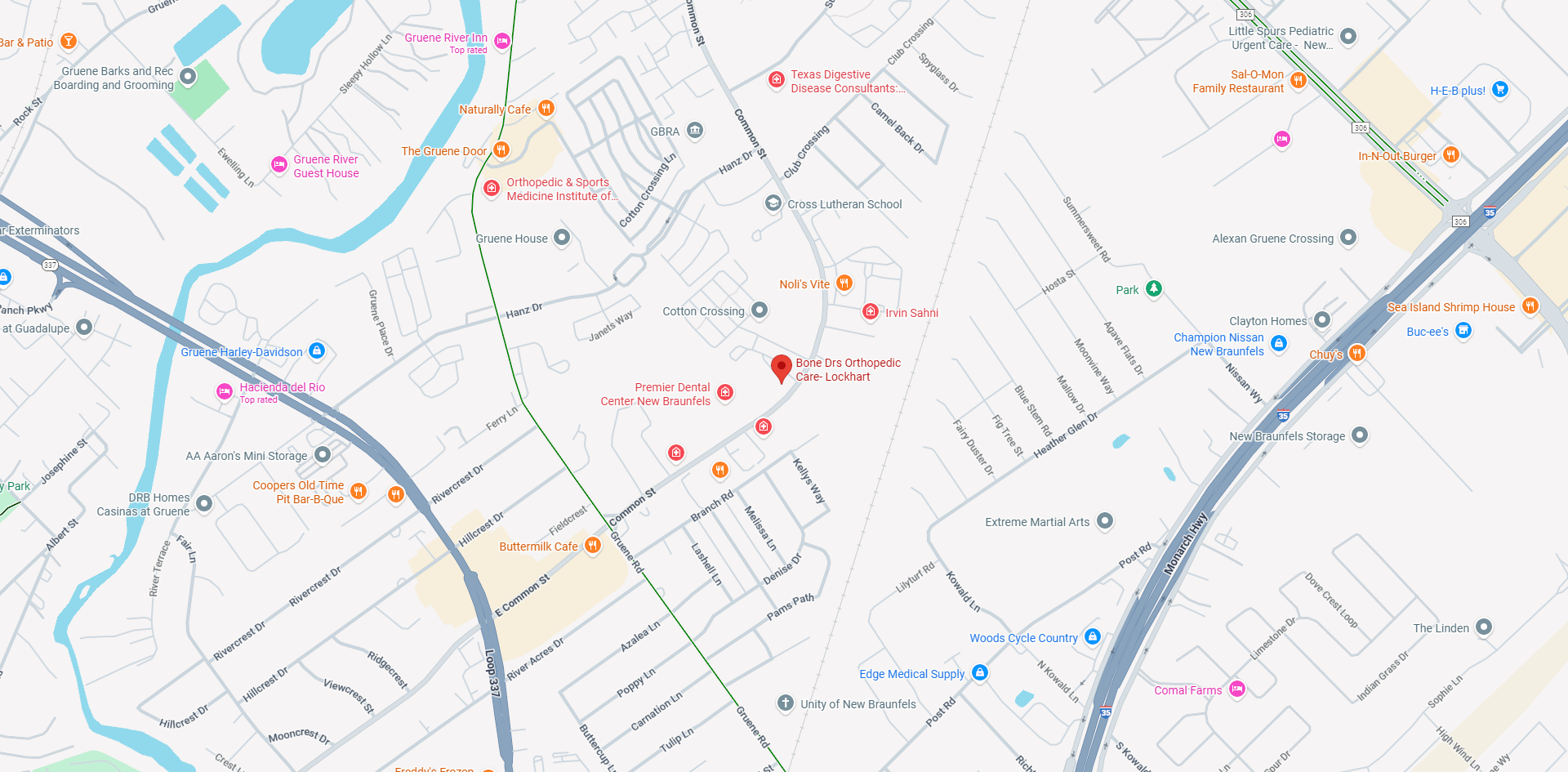
Finding the right expert is crucial for optimal recovery. Our team of board-certified specialists at BONE DRs across Austin, San Marcos, Bastrop, and Lockhart, Texas, are dedicated to providing personalized care for all your bone and joint needs. You can learn more about our providers and their expertise.
The Role of the Orthopedic Surgeon and Hand Specialist
An orthopedic surgeon is a medical doctor who has completed extensive training in the diagnosis, treatment, prevention, and rehabilitation of injuries and diseases of the musculoskeletal system. When it comes to a broken wrist, an orthopedic surgeon is your go-to specialist. They possess the knowledge and skills to manage everything from simple fractures to complex injuries requiring surgical intervention.
Within orthopedics, many surgeons pursue additional sub-specialty training in hand and wrist surgery. These hand specialists or hand surgeons have an even deeper understanding of the intricate anatomy of the wrist, hand, and forearm. They are adept at treating conditions ranging from fractures and sprains to carpal tunnel syndrome and arthritis. Their expertise ensures that even the most delicate structures of your hand and wrist are cared for with precision.
At BONE DRs, our hand and wrist specialists offer both surgical and non-surgical treatments, tailoring a plan specifically for your injury and lifestyle. We understand that your hands are vital for daily activities, and our goal is to restore their comfort and function. Explore our comprehensive Hand and Wrist care services.
What to Expect During Your Consultation
When you visit us for a suspected broken wrist, we'll guide you through a thorough evaluation process. Our goal is to understand your injury completely and develop the best treatment plan.
Here's what you can expect during your consultation:
- Physical Examination: Our doctor for broken wrist injuries will carefully examine your injured wrist, hand, and arm. We'll look for signs of swelling, bruising, and any visible deformities.
- Tenderness Assessment: We'll gently palpate different areas of your wrist to pinpoint the exact location of pain and tenderness, which helps us identify potential fracture sites.
- Range of Motion Check: We'll assess your ability to move your wrist and fingers, noting any limitations or pain during movement. This helps us gauge the severity of the injury and potential impact on function.
- Discussing the Injury: We'll ask you detailed questions about how the injury occurred. Was it a fall? A direct impact? Knowing the mechanism of injury provides critical clues about the type of fracture you might have sustained.
- Medical History Review: We'll review your overall medical history, including any previous wrist injuries or surgeries, as well as any underlying health conditions like osteoporosis, which can affect bone density and healing.
- Activity Level and Goals: We'll discuss your usual activity level, occupation, and personal goals for recovery. This information is vital in tailoring a treatment plan that not only heals your bone but also gets you back to the activities you love.
This comprehensive approach ensures we gather all necessary information to accurately diagnose your broken wrist and recommend the most effective course of action.
Diagnosis and Treatment: Your Path to Healing
Once we've conducted a thorough physical examination and discussed your symptoms and medical history, the next step is usually diagnostic imaging. This allows us to see inside your wrist, confirm the presence of a fracture, and understand its specific characteristics. Our approach is always to create individualized treatment plans, as every patient and every fracture is unique. Factors like the fracture's type and severity, other injuries, your age, activity level, and whether it's your dominant hand all play a role in determining the best path to healing.
How Your Doctor Diagnoses a Broken Wrist
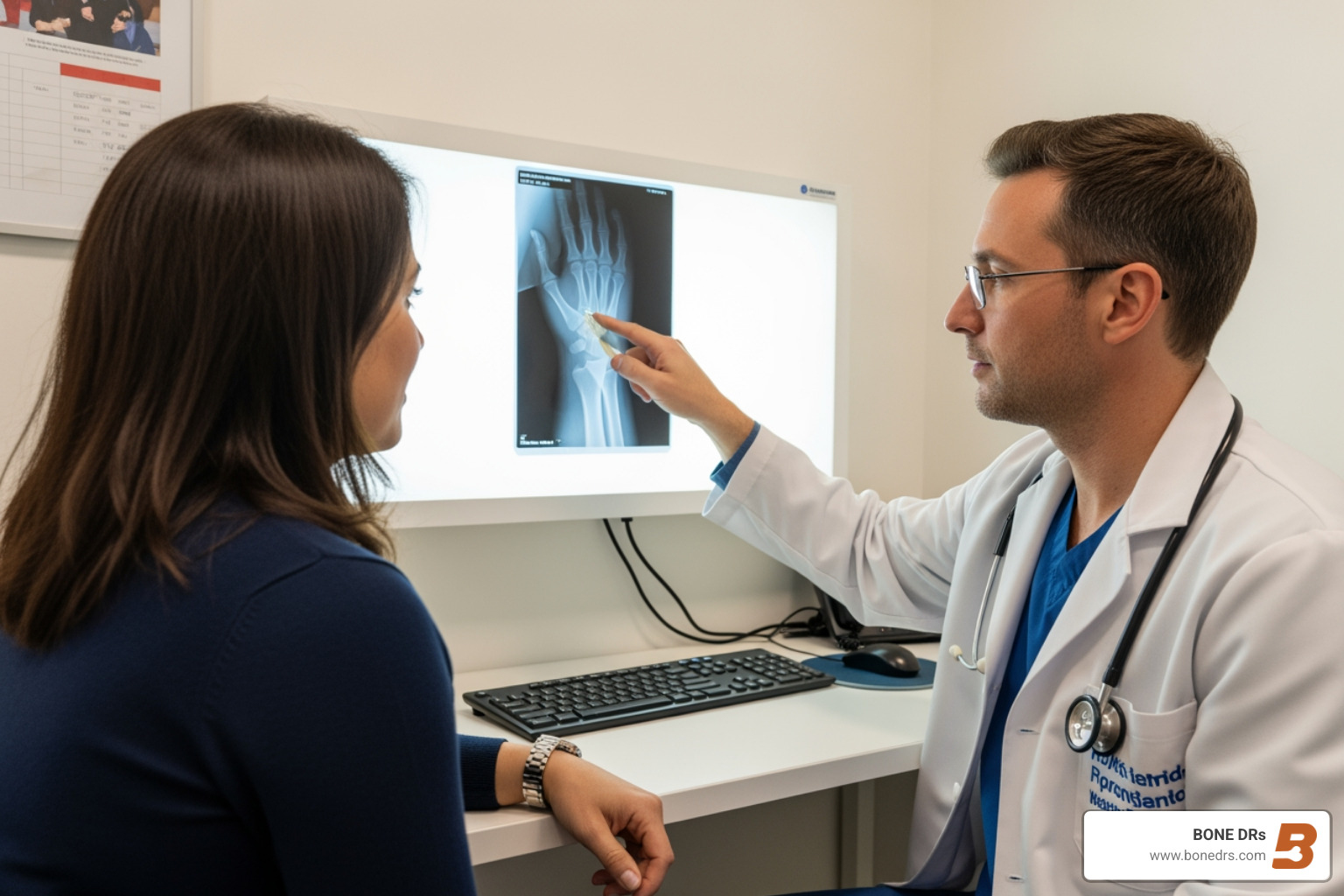
The diagnosis of a broken wrist typically begins with a physical exam and a discussion of your symptoms. However, to confirm a fracture and understand its extent, imaging tests are essential.
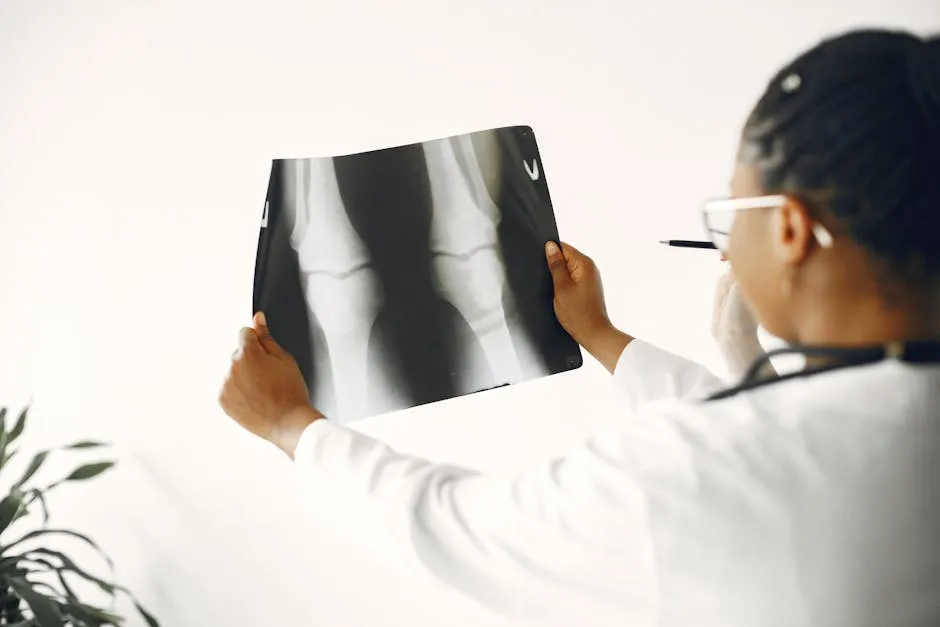
- X-rays: This is the most common and effective initial diagnostic tool. X-rays provide clear images of your bone structure, allowing us to identify fractures, dislocations, and any misalignment. We'll usually take multiple views (antero-posterior and lateral) to get a complete picture. X-rays are crucial for identifying common types of wrist fractures, such as distal radius fractures, which are breaks in the larger of the two forearm bones just above the wrist. Scaphoid fractures, though sometimes harder to spot on initial X-rays, are also a significant concern, as untreated scaphoid fractures can lead to avascular necrosis and long-term disability.
- Advanced Imaging: For more complex fractures, or if we suspect soft tissue damage (like ligaments or tendons) or very small fractures not visible on X-rays, we may recommend advanced imaging tests:
- CT Scans (Computed Tomography): These combine X-rays from various angles to create detailed cross-sectional slices. CT scans are excellent for revealing fractures missed by standard X-rays, assessing the number of bone fragments, and evaluating injuries to soft tissues and blood vessels.
- MRIs (Magnetic Resonance Imaging): MRIs use radio waves and magnets to produce highly detailed images of both bone and soft tissues. They are more sensitive than X-rays and can identify very small fractures, ligament tears, and other soft tissue injuries that might be contributing to your pain.
- Bone Scans: Occasionally, a bone scan might be used to detect stress fractures or other bone abnormalities that aren't clearly visible on X-rays.
Accurate diagnosis is paramount. It allows us to classify the fracture (e.g., open, closed, displaced, comminuted, greenstick, buckle) and determine the most appropriate and effective treatment strategy.
Common Treatment Options for a Broken Wrist
Once your broken wrist has been accurately diagnosed, we'll discuss the various treatment options available. Our goal is always to ensure the broken bone pieces are correctly positioned and prevented from moving, allowing them to heal properly. Treatment can range from non-surgical methods to surgical interventions, depending on the fracture's characteristics and your individual needs.
| Treatment Type | Description |
|---|---|
| Non-Surgical | |
| Immobilization | For stable, non-displaced fractures, the wrist is kept still to allow natural healing. |
| Splint | Often used initially for the first few days after injury. A splint provides support but is not circumferential, allowing for swelling. It is removable, which can be useful for hygiene or monitoring. |
| Cast | Once initial swelling subsides, a cast (usually plaster or fiberglass) is applied. It provides rigid, circumferential support, keeping the bone perfectly still for several weeks. Casts are typically non-removable by the patient. |
| Closed Reduction | If the bone fragments are misaligned but the fracture is stable, a doctor can manually manipulate and reposition the bones without making an incision. This is done under local or general anesthesia and is followed by immobilization with a cast or splint. |
| Surgical | |
| Open Reduction and Internal Fixation (ORIF) | For unstable or displaced fractures, surgery is performed to realign the bone fragments directly. An incision is made, and the bones are held in place with internal fixation devices like plates, screws, and pins while they heal. |
| External Fixation | In cases of severe comminuted fractures or open fractures, a metal frame is placed outside the body. Pins pass through the skin into the bone on either side of the fracture, stabilizing it externally. This method allows access to wounds and can be adjusted as swelling changes. |
| Bone Graft | If there's significant bone loss, a bone graft (either from your own body or a donor) may be used to fill gaps and promote healing. |
Our doctor for broken wrist injuries will carefully consider all factors before recommending the most appropriate treatment. For more detailed information on surgical approaches, please visit our page on Wrist Fracture Surgery.
The Road to Recovery: Rehabilitation and Preventing Complications
Healing a broken wrist is a journey, not a destination. Once the initial treatment phase is complete, your focus will shift towards regaining full function and strength in your wrist. This healing process involves a critical period of rehabilitation, aimed at restoring your range of motion, strength, and overall long-term health.

How Long Does a Broken Wrist Take to Heal?
The typical recovery timeline for a broken wrist can vary significantly depending on the type and severity of the fracture, as well as individual patient factors. Generally:
- Bone Healing: The bone itself usually takes between 6 and 12 weeks to heal enough to remove a cast or splint. During this time, regular X-rays are often taken to monitor the healing progress and ensure the bones remain in proper alignment. Weekly X-rays may be common for the first three weeks after reduction, with another check at six weeks.
- Full Function Improvement: While the bone may be healed, regaining full strength, flexibility, and range of motion can take much longer. Overall bone and joint function continue to improve for up to 18 months after a fracture. It's not uncommon for some residual stiffness or discomfort to linger for several months, especially after more severe injuries.
Several factors can influence the healing process:
- Age: Younger patients generally heal faster than older adults.
- Nutrition: A healthy diet rich in calcium and vitamin D is essential for bone repair.
- Smoking: Smoking can significantly delay or even prevent bone healing, as it impairs blood flow and nutrient delivery to the fracture site. We strongly advise quitting smoking to optimize your recovery.
- Underlying Health Conditions: Conditions like osteoporosis can slow healing and increase the risk of future fractures.
The Importance of Physical Therapy
Once your cast or splint is removed, the real work of rehabilitation begins. Physical therapy is an indispensable part of recovering from a broken wrist. After weeks of immobilization, your wrist will likely be stiff, weak, and may have a limited range of motion.
The goals of physical therapy include:
- Restoring Motion: Therapists will guide you through specific exercises to gently increase the flexibility and range of motion in your wrist, hand, and fingers.
- Reducing Stiffness: Techniques like manual therapy, stretching, and targeted exercises help to break down scar tissue and improve joint mobility.
- Strengthening Muscles: You'll work on exercises to rebuild the strength in your forearm, wrist, and hand muscles, which may have atrophied during immobilization.
- Proprioception Exercises: These exercises help retrain your brain to understand your wrist's position in space, improving coordination and reducing the risk of re-injury.
- Returning to Daily Activities: Physical therapy helps you gradually and safely return to normal daily tasks, work-related duties, and recreational activities.
- Hand Therapy: Often, a specialized hand therapist will work with you, providing expert guidance and customized exercises for the intricate structures of the hand and wrist.
Engaging actively in your physical therapy program is crucial for achieving the best possible long-term outcome and preventing chronic issues.
Potential Complications and Long-Term Outlook
While most people recover well from a broken wrist, it's important to be aware of potential complications, especially if the injury was severe or treatment was delayed. Our team monitors for these issues closely throughout your recovery.
- Malunion: This occurs if the bone heals in an improper or misaligned position. This can lead to persistent pain, decreased range of motion, and long-term functional problems.
- Post-Traumatic Arthritis: If the fracture extended into the joint surface or healed with any irregularity, it can lead to cartilage damage and the development of arthritis over time. According to a study, post-traumatic osteoarthritis occurs when the mechanics of the wrist and ligaments change after an injury. If left untreated, inflammation can develop in the wrist joint, leading to cartilage damage, long bone misalignment, or a bent wrist.
- Nerve Damage: Fractures can sometimes injure nearby nerves, leading to numbness, tingling, or weakness. In some cases, a fracture can lead to acute carpal tunnel syndrome, where swelling compresses the median nerve.
- Complex Regional Pain Syndrome (CRPS): This is a rare but serious complication involving chronic, severe pain, swelling, and changes in skin temperature and color, even after the fracture has healed.
- Infection: This is primarily a concern with open fractures or surgical interventions. However, the risk of infection following an operation with modern treatment is less than 2% (one in 50). Antibiotics are typically given for open fractures to prevent this.
- Stiffness and Decreased Range of Motion: Even with proper treatment and physical therapy, some degree of residual stiffness can occur.
Timely and appropriate treatment from an experienced doctor for broken wrist injuries significantly limits the chances of developing these complications. We emphasize thorough follow-up care to monitor your healing and address any concerns promptly.
Frequently Asked Questions about Wrist Fractures
We understand that a broken wrist can bring many questions and concerns. Here, we address some of the most common inquiries we receive from our patients.
Can my primary care doctor treat a broken wrist?
While your primary care doctor can provide an initial assessment and pain management, they typically do not have the specialized training or diagnostic tools required to definitively treat a broken wrist. If you suspect a fracture, your primary care physician will almost certainly refer you to an orthopedic specialist. An orthopedic doctor, especially one with expertise in hand and wrist injuries, is crucial for ensuring the proper alignment and healing of the bone, preventing long-term complications, and guiding your rehabilitation.
How can I prevent wrist fractures?
Preventing wrist fractures involves a combination of strategies, especially as we age or engage in high-risk activities:
- Osteoporosis Management: Osteoporosis significantly increases your risk of fractures. If you are over 50, especially women post-menopause, ask your doctor about an evaluation for osteoporosis. We offer specialized osteoporosis care to help manage this condition and strengthen your bones.
- Calcium and Vitamin D: Ensure you have adequate intake of these essential nutrients for bone health.
- Weight-Bearing Exercise: Regular weight-bearing activities (like walking, jogging, or weightlifting) help maintain bone density and strength.
- Fall Prevention: Be mindful of your surroundings. Remove tripping hazards at home, ensure adequate lighting, use grab bars in bathrooms, and wear sensible, non-slip shoes.
- Protective Gear: If you participate in sports like skateboarding, snowboarding, or in-line skating, always wear wrist guards to protect against falls.
- Coordination and Balance: Engage in activities that improve your balance and coordination to reduce the likelihood of falls.
What is the difference between a cast and a splint?
Both casts and splints are used to immobilize a broken wrist, but they serve different purposes and have distinct characteristics:
- Splints:
- Purpose: Often used as a temporary measure immediately after an injury.
- Design: Not circumferential; they have an open side, usually held in place with elastic wraps.
- Advantages: Allow for initial swelling without causing excessive pressure. They are also removable, which can be helpful for hygiene or monitoring the skin.
- When Used: Typically applied in the emergency room or initial doctor's visit to stabilize the injury until swelling subsides, usually for a few days to a week.
- Casts:
- Purpose: Provide rigid, long-term immobilization once the initial swelling has gone down.
- Design: Circumferential; they completely enclose the limb, offering maximum support.
- Advantages: Offer superior immobilization, critical for proper bone healing.
- When Used: Applied after the acute swelling has resolved, typically replacing a splint. They are non-removable by the patient and remain in place for several weeks until the fracture has healed sufficiently.
Our doctor for broken wrist injuries will determine whether a splint or cast, or a combination of both, is most appropriate for your specific fracture and stage of healing.
Conclusion
Navigating a broken wrist can be a challenging experience, but choosing the right doctor for broken wrist injuries is the most critical step on your path to recovery. From recognizing the initial symptoms and knowing when to seek urgent care, to understanding the diagnostic process and various treatment options, being informed empowers you to make the best decisions for your health.
At BONE DRs Orthopedic Care, we pride ourselves on providing personalized, multidisciplinary orthopedic services. Our board-certified specialists in Austin, San Marcos, Bastrop, and Lockhart, Texas, are experts in both operative and non-operative treatments for wrist fractures. We are committed to patient-centered care, ensuring you receive the precise diagnosis, effective treatment, and comprehensive rehabilitation needed for the best possible outcome.
Don't let a wrist injury compromise your quality of life. If you suspect you have a broken wrist, or are experiencing persistent pain, we encourage you to reach out to our expert team. Let us help you get back to your daily activities with confidence and comfort.
Explore our orthopedic services today and take the first step towards a complete recovery.
If you have any concerns about your joints, contact us and we can help determine a treatment that works for you.