
You rolled your ankle, took an awkward step off a curb, or noticed a deep ache building on the pinky-toe side of your foot after weeks of running. Now there is pain along the outer edge, and walking has become a careful, wincing thing. That outer-foot pain often points to a break in a bone called the fifth metatarsal. It is one of the most common foot fractures, and the good news is that most people heal fully. This guide explains what the injury is, how long recovery usually takes, and when it needs more than rest.
The bone on the outside of your foot
The fifth metatarsal is the long bone that runs along the outside of your foot, connecting your ankle to your little toe. It carries weight every time you take a step, and it sits right in the path of force during quick side-to-side movement. A fifth metatarsal fracture is a break anywhere along that bone. Where exactly the bone breaks matters a great deal, because it changes both how the injury is treated and how long it takes to heal.
Types of fractures, and why the location matters
Orthopedic specialists sort these breaks into three zones along the bone. The zone is what shapes the treatment plan.
Zone 1, called an avulsion fracture. This is a break at the very base of the bone, closest to your ankle, where a tendon or ligament tugs off a small piece of bone. It often happens when the ankle rolls inward, and it can occur right alongside an ankle sprain. Avulsion fractures are the most common type and usually heal well.
Zone 2, called a Jones fracture. This break sits a little farther along the bone, in a spot that has a poor blood supply. Because blood flow is what carries healing to the bone, Jones fractures mend more slowly and are more likely to have trouble healing completely.
Zone 3, usually a stress fracture. This is typically a hairline break farther down the bone, caused by repeated stress rather than one sudden injury. It is common in athletes and, like a Jones fracture, takes longer to heal because of that same limited blood supply.
Signs to watch for
A fifth metatarsal fracture usually makes itself known clearly, though a stress fracture can creep up slowly over weeks. Common signs include:
- Pain along the outside of the foot, often sharp if the break happened suddenly
- Swelling and bruising on the outer edge of the foot
- Tenderness when you press near the base of the little toe
- Trouble putting weight on the foot, or walking with a noticeable limp
A break here can feel a lot like a bad sprain, which is part of why these injuries are sometimes brushed off at first. Pain that does not settle within a few days, or that gets worse the more you are on your feet, is worth having looked at.
What causes it
These breaks happen in two main ways. A sudden, or acute, fracture follows a single event: a fall, a trip, dropping something heavy on the foot, or rolling the ankle during sports. A stress fracture builds up gradually from repetitive load, which is why runners, dancers, and basketball players see them often. A sudden jump in training, a change in footwear, or added pressure on the feet from weight gain can all play a part.
When to see a doctor
Any foot pain that keeps you from walking normally deserves a professional look. See an orthopedic specialist promptly if you have noticeable swelling or bruising on the outside of the foot, pain that does not improve after a few days of rest, or you simply cannot bear weight comfortably. Getting the diagnosis right matters here, because the zone of the break changes everything about treatment, and a Jones fracture mistaken for a simple sprain can fail to heal properly. For a sudden injury when you are not sure how serious it is, BoneDrs offers orthopedic urgent care in Austin so you can be seen quickly.
How the injury is diagnosed
Diagnosis starts with a conversation about how the injury happened and a hands-on exam to check for tenderness, swelling, and bruising at the base of the bone. An X-ray confirms the fracture and shows exactly where along the bone it sits. In some cases, especially when a Jones fracture is suspected or healing has been slow, a CT scan or MRI may be used to look more closely at the bone and the soft tissue around it.
Treatment options at BoneDrs
Most fifth metatarsal fractures heal without surgery. The right treatment depends on the zone of the break, whether the bone has shifted out of place, and how active you are.
Non-surgical treatment
When the bone is still well aligned, immobilization is usually the first step. That means stabilizing the foot in a cast, a walking boot, or a stiff-soled shoe while the bone knits back together, often with crutches early on to keep weight off it. Rest, ice, and keeping the foot elevated help control pain and swelling, especially in the first days after the injury. Zone 1 avulsion fractures are typically treated this way, and Jones fractures are often started with immobilization as well.
Surgical treatment
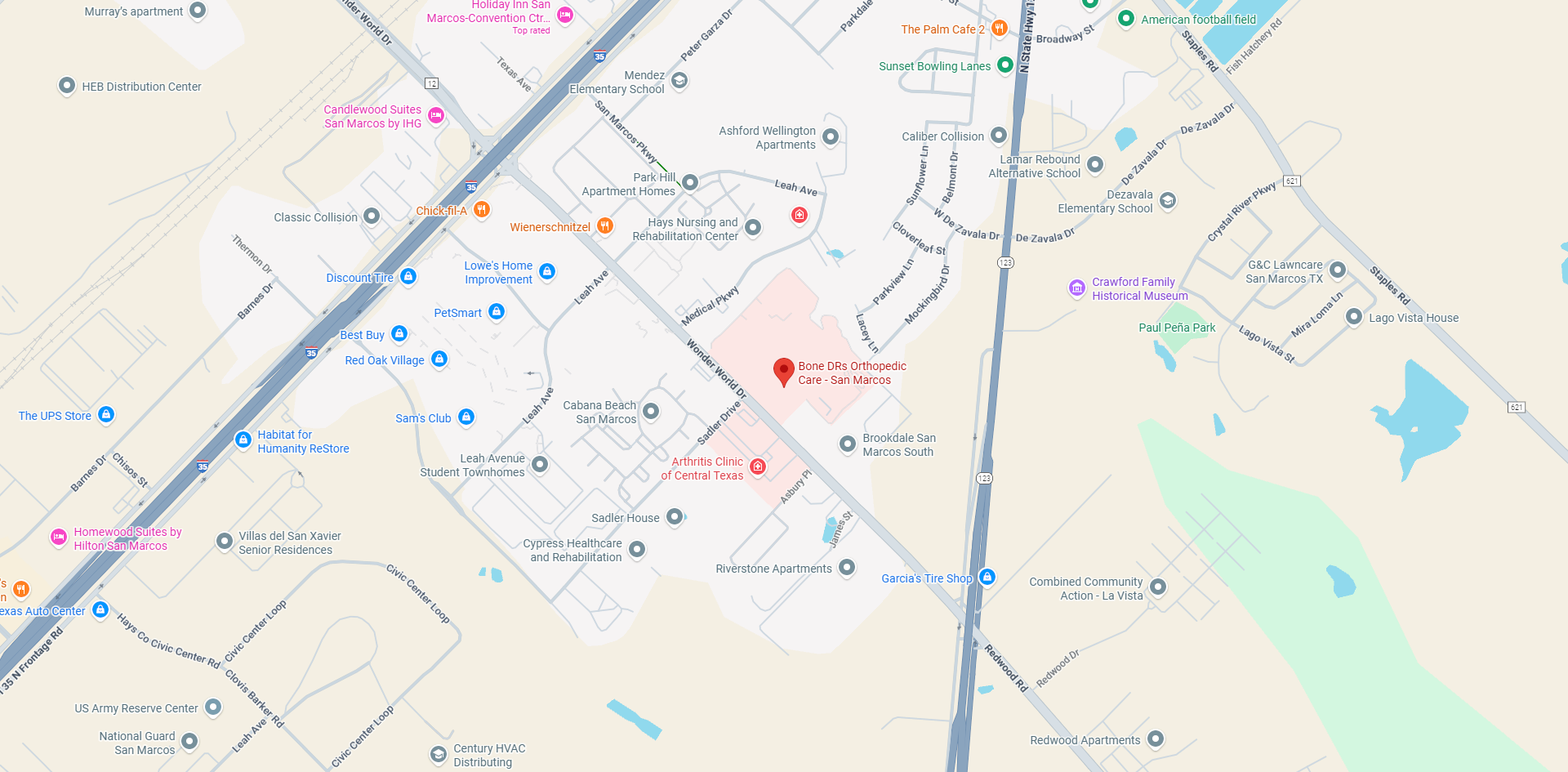
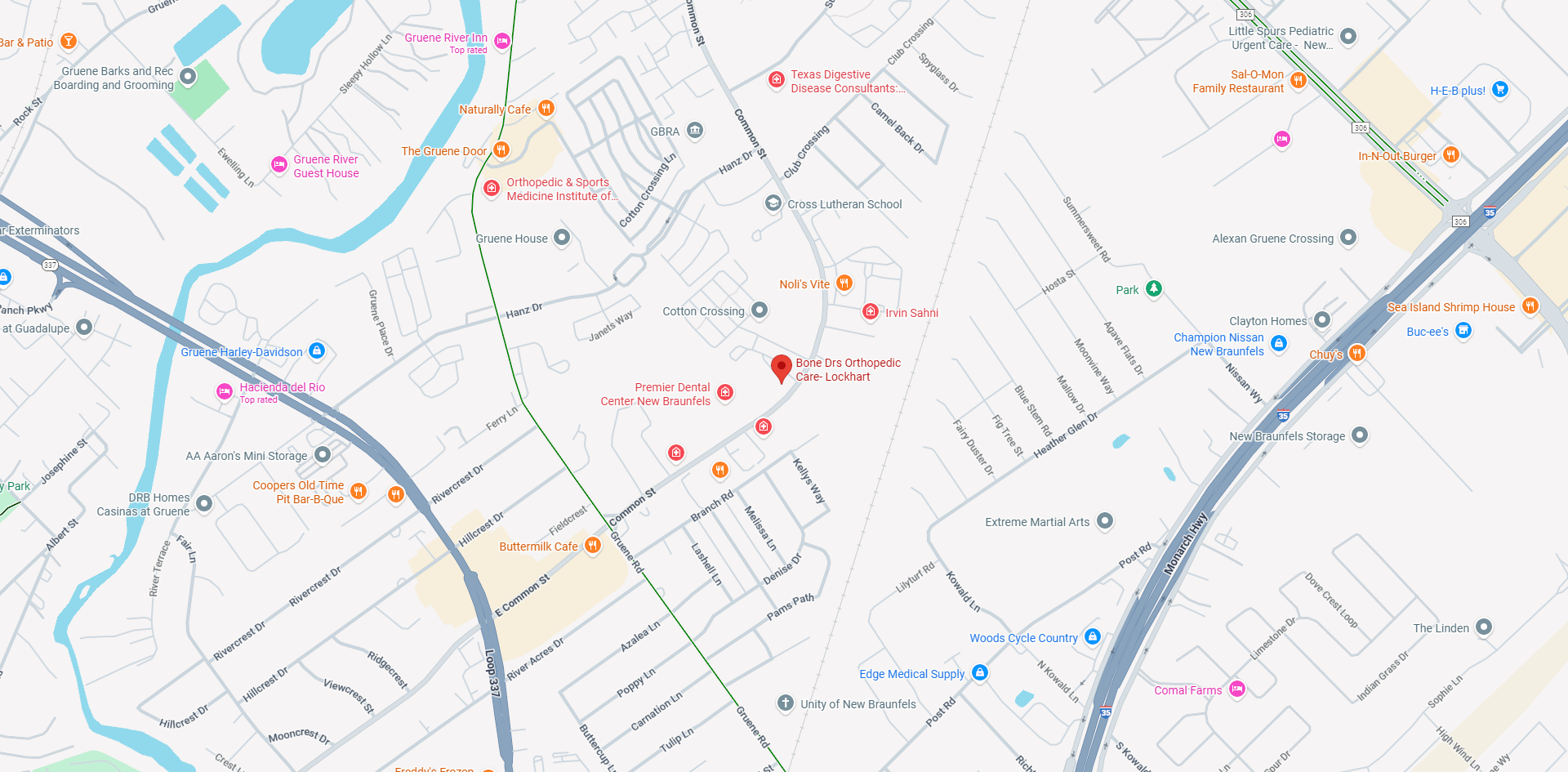
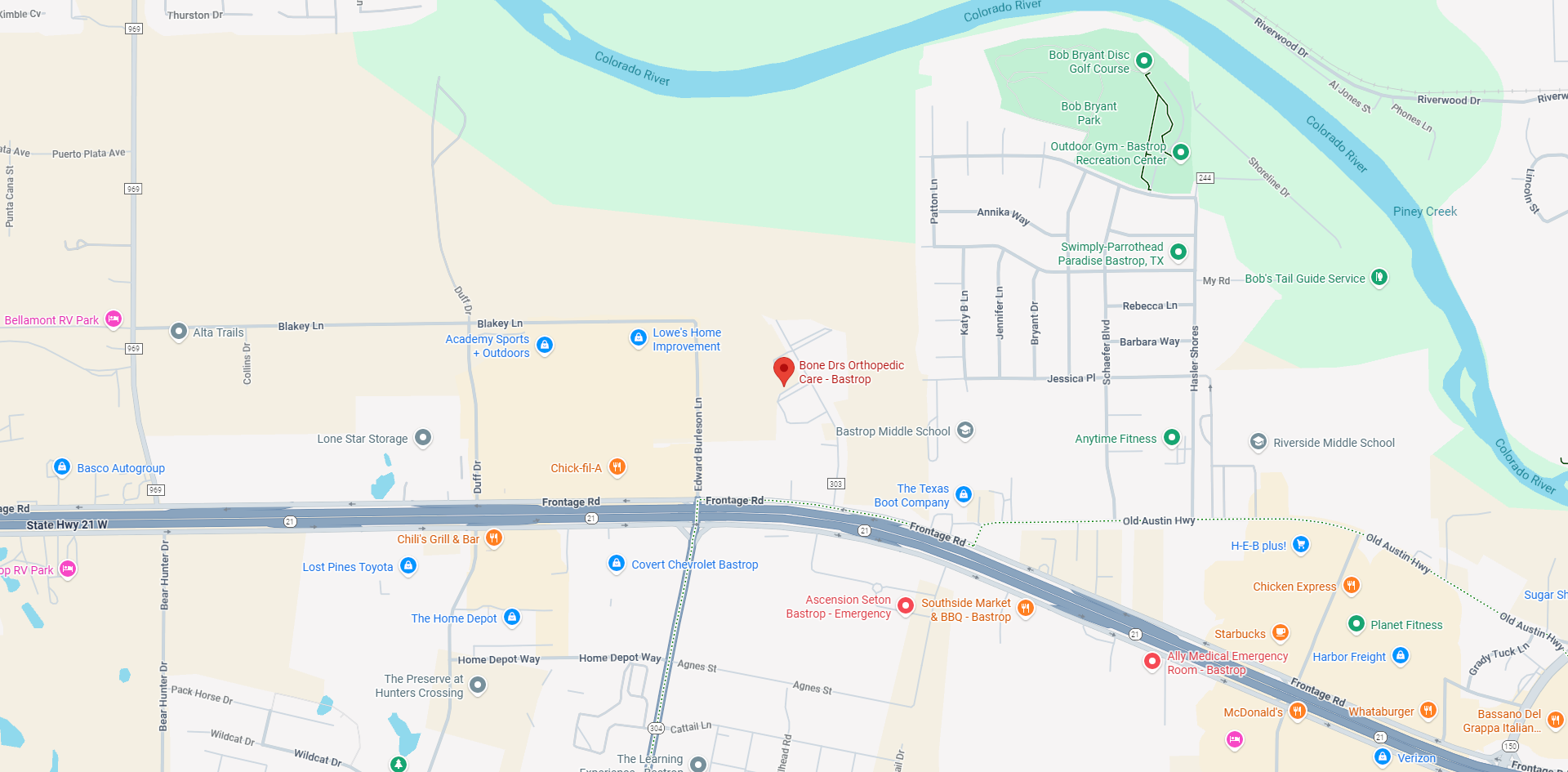
Surgery may be recommended when the bone is out of place, when a Jones fracture is slow to heal or does not heal at all, or for competitive athletes who need a faster, more reliable return to their sport. The most common procedure places a small screw inside the bone to hold the break together while it heals. At BoneDrs, Dr. Angirasa specializes in foot and ankle care and treats fifth metatarsal fractures across our Austin, San Marcos, Bastrop, Lockhart, and Round Rock locations. You can learn more on our foot and ankle services page.
Recovery and healing time
How long recovery takes depends heavily on the zone of the break. Zone 1 avulsion fractures generally heal within six to eight weeks with immobilization. Jones fractures and zone 3 stress fractures sit in that poorly supplied stretch of bone, so they often take longer, sometimes twelve weeks or more, and are more likely to need surgery. After surgery, weight is usually kept off the foot for several weeks before a gradual return to a walking boot and then supportive shoes.
A full return to sports and high-impact activity commonly takes three to four months, whether the break was treated with immobilization or surgery. Physical therapy often helps rebuild strength and motion in the foot and ankle and supports a steady return to normal activity. Healing also depends on your overall health. Conditions such as diabetes can slow recovery, and not smoking supports better bone healing.
Frequently asked questions
Can you walk on a 5th metatarsal fracture?
It depends on the type of break. Some people can walk gingerly on a simple avulsion fracture, but the foot still needs proper immobilization to heal correctly. Walking on a Jones fracture can worsen the break and delay healing, so it is important to be evaluated before relying on the foot.
How long does a 5th metatarsal fracture take to heal?
A zone 1 avulsion fracture usually heals in six to eight weeks. Jones fractures and stress fractures often take twelve weeks or longer because of the limited blood supply in that part of the bone. A complete return to sports typically takes three to four months.
Is a broken bone on the outside of the foot the same as a broken pinky toe?
Not quite. The fifth metatarsal is the long bone in the foot that connects to the little toe, not the toe bones themselves. A break here causes pain along the outer edge of the foot rather than in the toe, though the two can feel similar at first. An X-ray is the clearest way to tell them apart.
Do all 5th metatarsal fractures need surgery?
No. Most heal with immobilization alone. Surgery is generally reserved for displaced fractures, Jones fractures that are slow to heal, and athletes who need a more reliable recovery.
Schedule a consultation at BoneDrs
If you have outer foot pain that is not improving, the team at BoneDrs can diagnose the break accurately and build a treatment plan suited to your injury and your activity level. Call us at 512-266-3377 to schedule an appointment at any of our Central Texas locations in Austin, San Marcos, Bastrop, Lockhart, and Round Rock.
If you have any concerns about your joints, contact us and we can help determine a treatment that works for you.