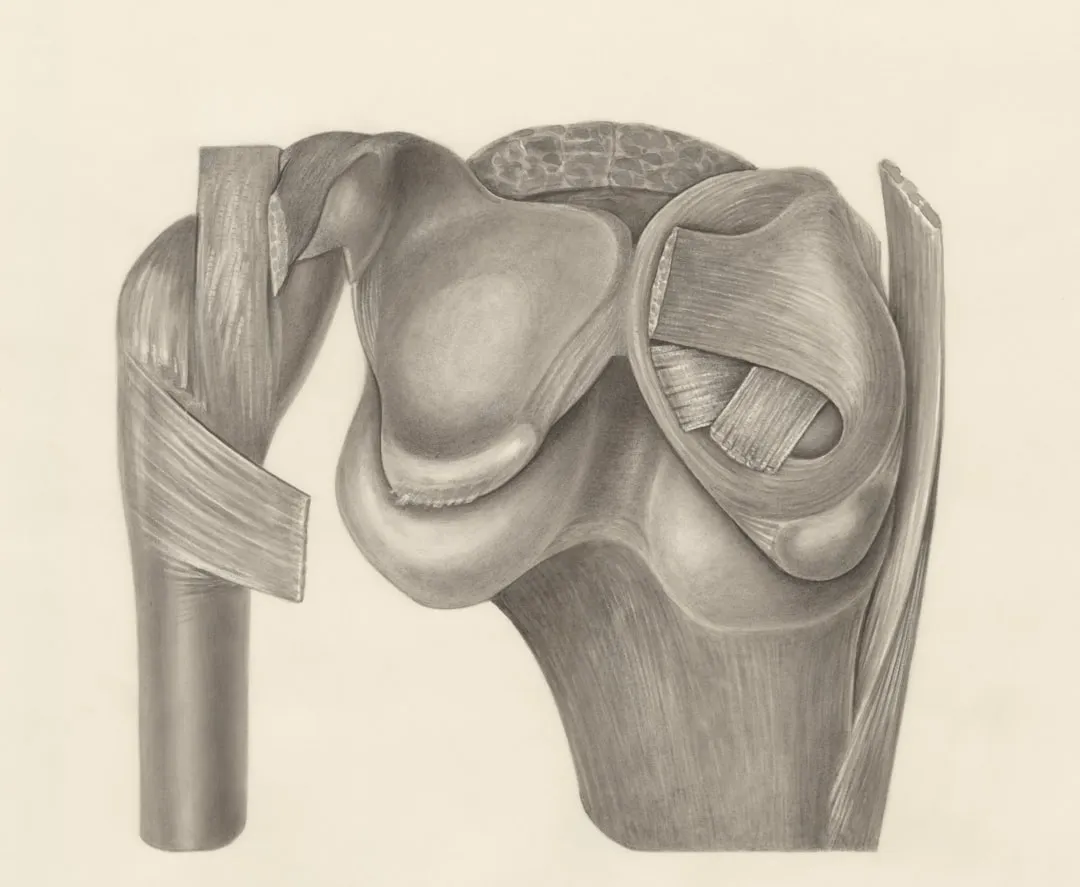
An anterior hip replacement is a total hip replacement done through an incision at the front of the hip, where the surgeon works in the natural gap between muscles instead of cutting through them. The worn ball and socket are replaced with the same kind of implant used in any hip replacement. What changes is the path the surgeon takes to get there.
If your surgeon has told you your hip is "bone on bone," you have probably already heard that the anterior approach is the newer, better, faster option. Some of that is true. Patients who have an anterior hip replacement tend to leave the hospital a little sooner, get moving a little faster in the first few weeks, and have a lower chance of the new hip popping out of place. But here is what the ads leave out: by about a year after surgery, most studies find anterior and traditional hip replacements end up in roughly the same place. And the anterior approach comes with one side effect that surprises a lot of people, a patch of numb skin on the front of the thigh.
So the real question is not whether anterior is better in general. It is whether it is right for your hip and your body, and what the months afterward will actually be like. This guide covers both, including the things people most want to know: when you can drive, how you will sleep, when you can go back to work, and what you will be able to do once you have healed.
Quick facts about anterior hip replacement
- Going home: Often the same day or the next morning
- Walker and cane: Most people use a walker for the first several days, move to a cane within 1 to 3 weeks, and walk without help by around 4 to 6 weeks
- Driving: In one study, 87 out of 100 people who had their right hip replaced had normal braking speed back within 2 weeks, and all of them by 4 weeks
- Back to work: Around 2 to 4 weeks for a desk job, 6 to 12 weeks if you are on your feet or lifting
- Chance of dislocation: Roughly 1 in 120 with the anterior approach, compared with about 1 in 55 through the back of the hip
- How long it lasts: About 58 out of 100 hip replacements are still in place 25 years later
As Christopher Jimenez, MD, a Board Certified Orthopedic Surgeon specializing in hip and knee replacement, I founded BoneDrs around the idea that patients should hear every option, from injections through surgery, under one roof. The anterior approach is an excellent option for the right patient. But most of the people I see have already made up their minds about it from an ad or a neighbor. My job in clinic is to make sure you understand what it actually changes, what it does not, and whether your hip is a good fit for it.
What "anterior" actually means
Every hip replacement does the same basic job. The worn-out ball at the top of your thigh bone is removed and replaced with a metal ball on a stem that sits inside the bone. The damaged socket in your pelvis is lined with a new cup. The goal is a smooth, pain-free joint.
The difference between approaches is the route in. In a traditional posterior hip replacement, the surgeon comes in from the back of the hip and has to detach some of the small muscles that rotate the leg, then repair them at the end. In an anterior hip replacement, the surgeon comes in from the front and works between two muscles, moving them aside rather than cutting them.
That is why the anterior approach is often called "muscle sparing." It is also why people tend to feel steadier on their feet sooner, and why the hip is less likely to dislocate early on. The muscles at the back of the hip, the ones that normally help hold the ball in the socket, are left alone.
What it does not mean is a tiny incision. The incision is usually around 3 to 5 inches, similar to other approaches. The benefit comes from what happens underneath the skin, not from how small the cut is.
What brings people to a hip replacement
- Osteoarthritis, the wear-and-tear kind, by far the most common reason. The smooth cartilage lining the joint wears away until bone rubs on bone.
- Rheumatoid arthritis and other inflammatory conditions that damage the joint lining
- Avascular necrosis, where the blood supply to the ball of the hip is lost and the bone collapses
- Hip dysplasia, a shallow socket you were born with that wears out the joint earlier than usual
- An old injury or fracture that left the joint uneven
Signs it may be time to talk about surgery
- Groin pain, often felt deep in the front of the hip and sometimes down toward the knee. Pain on the outside of the hip is more often something else.
- Pain at night or at rest, not just after activity. This is usually the turning point.
- Trouble with everyday things like putting on socks, getting out of a car, or tying your shoes
- A limp or needing a cane to get through the day
- Injections, therapy, and medication no longer lasting the way they used to
What your surgeon checks before recommending the anterior approach
- X-rays of your hip and pelvis. These show how much cartilage is gone, the shape of the joint, and whether anything unusual about your anatomy would make one approach easier than another.
- Your body shape and weight distribution. The anterior incision sits in the crease at the front of the hip. In people who carry significant weight around the belly and hips, that crease can stay warm and moist, and wound healing problems are more common with this approach. This is one of the most common reasons a surgeon recommends a different route.
- Previous hip surgery or hardware. Revision surgery, or a hip that already has plates or screws in it, may be better handled through a different approach.
- How your whole leg lines up. Your surgeon will check leg length and how your hip, knee, and spine work together, since all of it affects the final result.
Anterior versus posterior, side by side
| Question | Anterior approach | Posterior approach |
|---|---|---|
| Where the incision is | Front of the hip, near the crease | Side and back of the hip, near the buttock |
| What happens to the muscles | Moved aside, not cut | Some small rotator muscles are detached and repaired |
| Chance of dislocation | About 1 in 120 | About 1 in 55 |
| Hospital stay | About a day shorter on average | Slightly longer on average |
| Movement restrictions afterward | Often fewer, and many surgeons relax them | Traditionally stricter for about 6 weeks |
| Numbness on the front of the thigh | Common, usually a patch of skin that improves over time | Uncommon |
| Wound healing problems | More likely in people carrying significant weight around the hips | Less affected by body shape |
| Where you end up at one year | About the same | About the same |
The dislocation and hospital stay figures come from a 2025 review of 48 studies covering more than 46,000 hip replacements. That same review found the anterior group needed blood transfusions less than half as often, and found no clear difference between the two approaches in infection, nerve injury, or how soon people stopped using walking aids.
Before surgery: what to try first
Hip replacement is a wonderful operation, but it is not the first step. Weight management, physical therapy, anti-inflammatory medication, and joint injections can keep hip arthritis manageable for a long time, and many people get years out of them. You can read more about managing osteoarthritis of the hip on our site. If you have tried those and the pain is still waking you up or keeping you from things you care about, it is time for a conversation. You can book a hip evaluation online or call 512-266-3377.
What the surgery involves
You will usually be asleep or have a spinal anesthetic, and the operation typically takes one to two hours. Many surgeons use live X-ray during an anterior hip replacement to check the position of the implants and the length of your leg before finishing. Some hips are done with robotic assistance, which helps the surgeon plan and place the implants precisely. We offer both anterior hip replacement and robotic total hip replacement. Most people stand and take their first steps with a walker the same day.
What life is actually like afterward
Every recovery is a little different and your surgeon's instructions come first, but here is the realistic picture.
Sleeping
For the first few weeks, most people sleep best on their back. Once you are comfortable, lying on your non-surgical side with a pillow between your knees is usually fine. Sleeping on the operated side generally becomes comfortable somewhere around 4 to 6 weeks, once the soreness around the incision settles. The first week or two of sleep is the hardest part for a lot of people, mostly from stiffness and soreness rather than anything being wrong. It does improve.
Driving
This is where the news is better than most people expect. In a study of patients who had their right hip replaced, 87 out of 100 had their normal braking speed back within 2 weeks, and everyone in the study had it back by 4 weeks. If it was your left hip and you drive an automatic, you may be cleared even sooner. Either way, you need to be off prescription pain medication, able to get in and out of the car on your own, and cleared by your surgeon. Plan on rides for at least the first two weeks.
Going back to work
Desk work is often possible at around 2 to 4 weeks, especially if you can get up and walk around regularly. If your job keeps you on your feet all day, plan on around 6 to 8 weeks. Heavy lifting, climbing ladders, or construction work usually takes closer to 3 months. Tell your surgeon exactly what your job involves at the first visit, because it shapes both the plan and the time off you should arrange.
Walking and getting around the house
You will use a walker for the first several days and usually switch to a cane within 1 to 3 weeks. Many people are walking without any help by around 4 to 6 weeks. Stairs are fine from the start with a simple rule: step up with the good leg first, step down with the operated leg first. A raised toilet seat, a shower chair, and a long-handled shoe horn or sock aid make the first couple of weeks much easier. Set these up before surgery.
Movement restrictions
After a traditional hip replacement, patients are given a list of positions to avoid for about 6 weeks, like bending past 90 degrees or crossing their legs. After an anterior hip replacement, many surgeons relax or drop those rules because the muscles at the back of the hip were never disturbed. Some still ask you to avoid stepping backward while turning your foot outward in the first few weeks. Ask your surgeon which rules apply to you, because they vary.
The numb patch on your thigh
This is the part people are least warned about. A small nerve that supplies feeling to the skin on the front and outside of the thigh runs right through the area where the anterior incision is made. Stretching or irritating it is common, and it leaves a patch of skin that feels numb, tingly, or strange to the touch. In studies that looked for it carefully, somewhere around 1 in 3 patients noticed it. It affects only the skin, not your strength or how the hip works, and a review of the research found it did not change how well patients functioned. In one study, 82 out of 100 people who had it were completely back to normal within 2 years.
What you can still do
According to the American Academy of Orthopaedic Surgeons, most people resume light daily activities within 3 to 6 weeks, and long term you can expect to enjoy walking, swimming, golf, hiking, cycling, and dancing. Running, jumping, and high-impact sports are generally discouraged because they wear the implant faster. Many people find they are doing more a year after surgery than they had managed in years.
Three things you have probably been told that need correcting
"Anterior means a faster recovery." It does, but mostly in the first few weeks. People tend to go home a little sooner and feel steadier a little earlier. By around a year, most studies find patients from both approaches walking, working, and doing their activities at about the same level. If you are choosing an anterior hip replacement, choose it for a smoother start, not a better finish.
"Anterior is minimally invasive, so it is a smaller operation." It is still a full hip replacement with the same implants. The benefit is that muscles are moved aside rather than cut, not that the incision is tiny. Your recovery still takes real work.
"The approach is the most important choice." The single biggest factor in how your hip turns out is an experienced surgeon doing the approach they know best, on a patient it suits. A well-done posterior hip replacement will serve you better than an anterior one that was a poor fit for your body.
Recovery, week by week
- Day 0 to week 1. Up and moving. Walking with a walker the same day or the next, usually home within 24 hours. Short, frequent walks around the house, ice, and elevating the leg. Ankle pumps and gentle exercises several times a day help prevent blood clots.
- Weeks 1 to 3. Building confidence. Most people move from a walker to a cane. Walks get longer. Physical therapy works on strength and a normal walking pattern. Many people are driving by the end of this stretch.
- Weeks 3 to 6. Getting back to normal life. Many people walk without a cane by now. Light housework, errands, and desk work return. Sleep usually improves noticeably.
- Weeks 6 to 12. Strengthening. Therapy shifts to building strength and endurance. Low-impact exercise like a stationary bike, swimming once the incision has healed, and longer walks.
- Months 3 to 12. The new normal. Golf, hiking, and most activities return. Strength and stamina keep improving for up to a year, and any leftover thigh numbness usually keeps fading.
Frequently asked questions
Is anterior hip replacement better than posterior?
It has real advantages early on: a shorter hospital stay, fewer movement restrictions, and a lower chance of dislocation, about 1 in 120 versus 1 in 55. By a year after surgery, results are usually about the same. The better approach is the one that fits your body and that your surgeon performs most often.
How long is recovery from anterior hip replacement?
Most people are walking with a cane within 1 to 3 weeks, back to light daily activities within 3 to 6 weeks, and feeling close to normal by about 3 months. Strength and endurance keep improving for up to a year.
When can I drive after anterior hip replacement?
Often around 2 to 4 weeks for the right hip, and sometimes sooner for the left hip if you drive an automatic. In one study, 87 out of 100 patients had normal braking speed back within 2 weeks of a right hip replacement. You need to be off prescription pain medication and cleared by your surgeon first.
Can I sleep on my side after anterior hip replacement?
Usually yes on your non-surgical side with a pillow between your knees, once you are comfortable. Sleeping on the operated side generally becomes comfortable around 4 to 6 weeks.
Why is my thigh numb after anterior hip replacement?
A small skin nerve runs through the area of the anterior incision and is often stretched during surgery. Around 1 in 3 patients notice a numb or tingly patch on the front of the thigh. It does not affect strength or how the hip works, and in one study 82 out of 100 people were completely back to normal within 2 years.
How long does a hip replacement last?
A large review of national joint registries found that about 58 out of 100 hip replacements are still in place 25 years later. The approach used does not change the implant itself. Staying active with low-impact exercise and keeping a healthy weight both help it last. If a hip does wear out, a revision hip replacement can replace the worn parts.
Schedule a hip consultation at BoneDrs
Hip pain that wakes you at night, makes putting on your socks a project, or has you planning your day around how far you can walk is worth a proper evaluation. Whether an anterior hip replacement is right for you depends on your X-rays, your body, and what you want to get back to, and that takes an exam, not an ad.
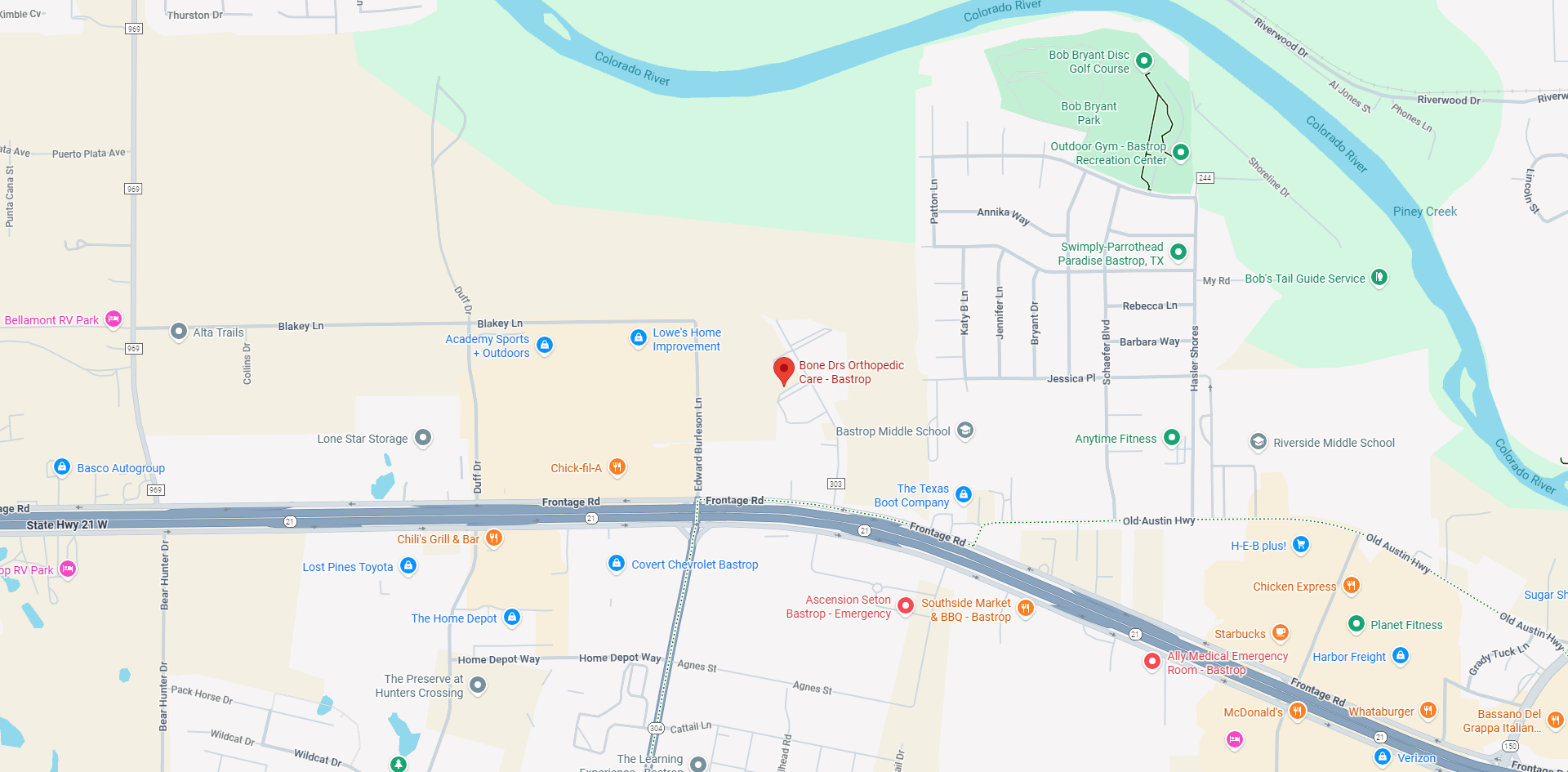
Our hip specialists see patients in Austin, San Marcos, Round Rock, and Bastrop, and we offer the full range of care under one roof, from injections and therapy through anterior and robotic hip replacement. Book an appointment online in about a minute, or call 512-266-3377.
If you have any concerns about your joints, contact us and we can help determine a treatment that works for you.