.webp)
It started as a small ache in one spot on your foot, only at the end of a run or a long shift. You kept going, and now the pain shows up earlier, lasts longer, and lingers even when you are resting. That pattern, a pinpoint ache that builds with activity and will not settle, is the hallmark of a stress fracture. This guide explains what a stress fracture is, how it is treated, and why pushing through it is the one thing not to do.
What a stress fracture is
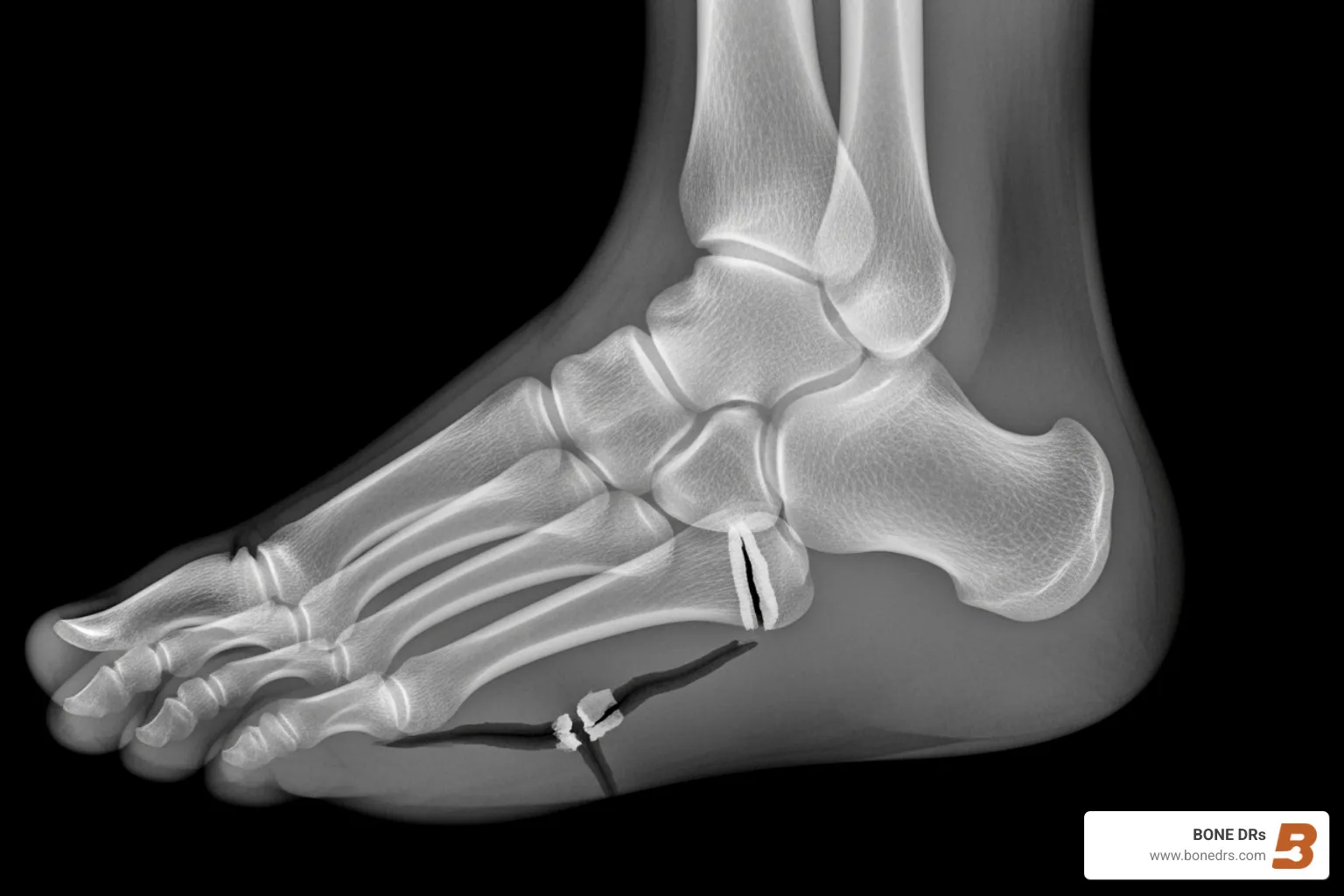
A stress fracture is a small crack in a bone caused by repeated force over time, rather than by a single injury. It usually begins as a stress reaction, which is a kind of deep bone bruise where the bone surface becomes inflamed. If pressure keeps landing on that same spot before the bone can recover, the bone can crack. The weight-bearing bones of the foot and lower leg are especially prone to these injuries, because they absorb impact with every step.
Signs to watch for
A stress fracture tends to announce itself gradually, and the pattern of the pain is the clue:
- Pain in one specific spot on the foot, rather than a general ache
- Discomfort that begins late in an activity and fades shortly after stopping
- Pain that, over time, comes on earlier and lasts longer
- Swelling around the tender area
- In later stages, aching during everyday walking, or even at rest and at night
The progression matters. Early on, the pain comes only with activity and eases with rest. As the injury advances, it begins to intrude on ordinary walking and quiet moments. Pain that you feel even while resting or at night is a signal to be seen.
What causes a stress fracture
Stress fractures come from doing too much, too soon, without enough recovery. Common contributors include a sudden jump in the volume or intensity of training, a change in surface such as moving from a treadmill to pavement, and worn-out or poorly cushioned shoes that have lost their shock absorption. Anything that changes how the foot absorbs impact, such as a bunion or tendinitis, can shift extra load onto certain bones. Too little sleep, skipped rest days, and low vitamin D can all make bone less able to keep up with the demands placed on it. Stress fractures are common in runners and jumping athletes, but they also affect people who are on their feet all day, such as nurses and factory and warehouse workers.
When to see a doctor
Foot pain that follows the stress-fracture pattern, building with activity and lingering afterward, deserves a professional evaluation, and the sooner the better. People who are treated early tend to recover faster and have fewer complications. Pain that you feel even at rest or at night is a clear sign to be seen. The risk of waiting is real: returning to activity too soon, or ignoring the injury entirely, can cause the bone to crack completely, which can turn a manageable problem into one that requires surgery. If you have foot pain you are unsure about, BoneDrs offers orthopedic urgent care in Austin so you can be seen quickly.
How a stress fracture is diagnosed
Diagnosis starts with a conversation about your activity, your symptoms, and how the pain has changed over time, followed by a physical exam to find the tender spot. Imaging confirms it. A stress fracture can be hard to see on an early X-ray, so an MRI or CT scan is sometimes used to detect the injury or to confirm that a healing fracture has fully mended.
Treatment options at BoneDrs
The foundation of treating a stress fracture is taking load off the injured bone so it can heal. Most stress fractures in the foot heal well with the right rest and care.
Non-surgical treatment
Most stress fractures are treated without surgery. Treatment centers on rest and stepping away from the activities that put pressure on the injured bone. A protective walking boot, brace, or stiff-soled shoe is often used to immobilize the foot and support healing. As the bone recovers, a specialist may introduce a gradual, structured return to activity, sometimes alternating activity days with rest days so the bone can adapt to demand without being overloaded again.
Surgical treatment
Surgery is uncommon for foot stress fractures, but it is sometimes needed. Stress fractures in areas of bone with a poorer blood supply can be slow to heal, and a fracture that has cracked further or failed to heal may need a procedure to stabilize the bone so it can mend properly. At BoneDrs, Dr. Angirasa specializes in foot and ankle care and treats stress fractures across our Austin, San Marcos, and Bastrop locations. You can learn more on our foot and ankle services page.
Recovery and healing time
Most stress fractures in the foot heal enough to bear weight within six to eight weeks, though some take longer, particularly fractures in bone with a limited blood supply. It is normal for a foot to remain swollen for several months even after the bone has healed. The hardest part of recovery is often patience. Returning to activity too soon is the most common reason a stress fracture worsens or comes back, so a gradual, guided return is essential. A specialist may confirm healing with follow-up imaging before clearing you for full activity, and a structured exercise program can help rebuild strength and flexibility along the way.
Frequently asked questions
Can you walk on a stress fracture?
You often can still walk on a stress fracture, which is part of why the injury is easy to underestimate. But continuing to load the bone allows the crack to worsen. Proper rest and often a protective boot are needed for the bone to heal.
How long does a foot stress fracture take to heal?
Most foot stress fractures heal enough for weight-bearing within six to eight weeks, though some take longer. The foot may stay swollen for several months even after the bone has healed.
What happens if you ignore a stress fracture?
Ignoring a stress fracture, or returning to activity too soon, can cause the bone to crack completely. A complete break is a more serious injury that can require surgery and a much longer recovery.
Schedule a consultation at BoneDrs
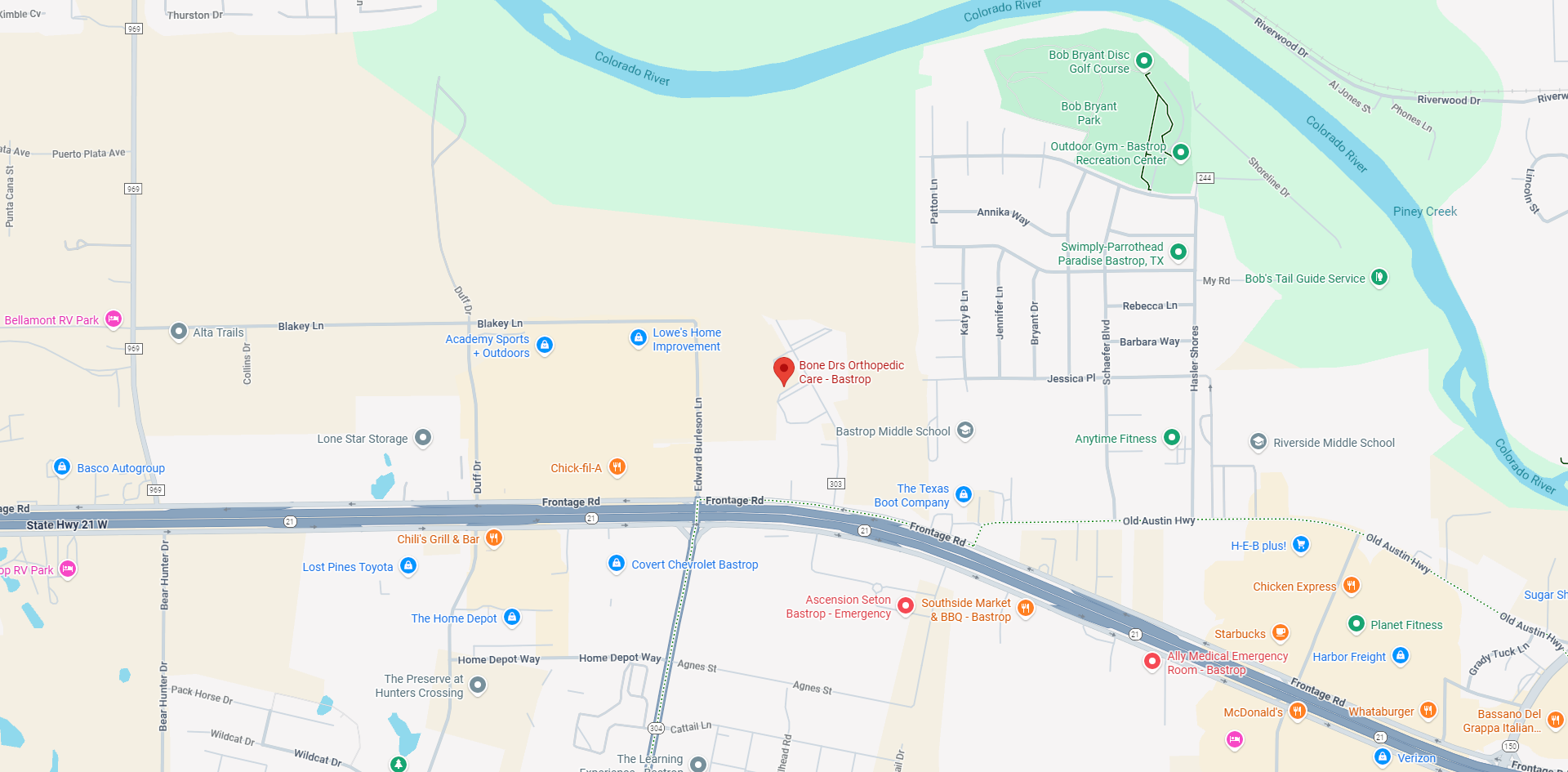
If you have a nagging foot ache that builds with activity and will not settle, the team at BoneDrs can diagnose the injury accurately and build a treatment plan that gets you healed and back to activity safely. Call us at 512-266-3377 to schedule an appointment at any of our Central Texas locations in Austin, San Marcos, and Bastrop.
If you have any concerns about your joints, contact us and we can help determine a treatment that works for you.